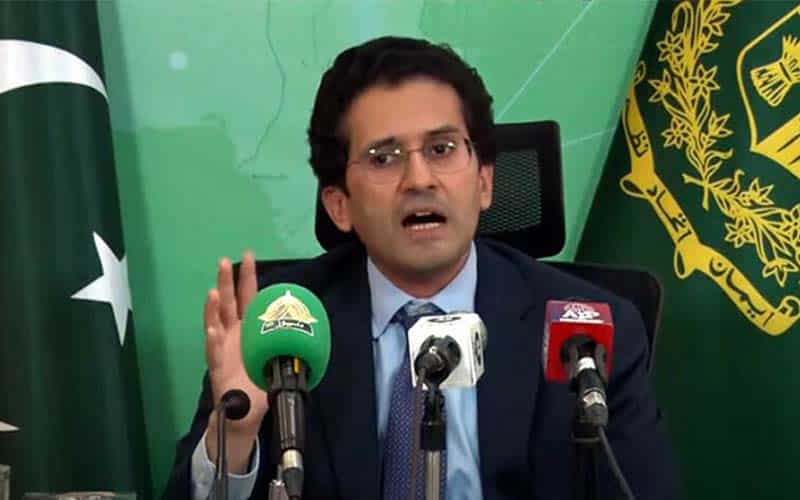

ISLAMABAD : Federal Minister for Petroleum Ali Pervez Malik has urged the public to adopt a more frugal lifestyle, stating that neither he nor the government can control the relentless surge in international petroleum prices. In an exclusive interview with Samaa TV’s “Red Line” on Wednesday, the minister emphasized that the only viable solution to curb price increases lies in reducing domestic fuel consumption.
“People need to change their lifestyle. No one, including me, can control the increase in international prices. If prices are to be stopped from increasing, demand will have to be reduced,” Malik asserted.
The minister revealed that during the last petroleum price hike, Prime Minister Shehbaz Sharif personally tasked him with overseeing the situation, assuring the nation that adequate reserves are in place. According to licensing requirements, Pakistan must maintain a 20-day strategic stock of petroleum products, and Malik confirmed that current inventories are sufficient to meet immediate needs.
However, he pointed to mounting geopolitical pressures that threaten supply chains. “The Strait of Hormuz is currently practically closed,” Malik said, attributing disruptions to heightened tensions and recent statements by former US President Donald Trump, who announced a 20 percent levy on ships originating from Iran—a key regional player. To mitigate these risks, Pakistan is now sourcing supplies through alternative routes, including Fujairah and other ports.
On the domestic front, the minister noted that refineries hold only 5 to 7 days’ worth of crude oil, underscoring the urgency of conservation. He also highlighted that the current petroleum levy is lower than pre-war levels, suggesting that fiscal measures are not the primary driver of retail prices.
Malik called on the government to launch a comprehensive thrift campaign and appealed to the public for full cooperation in reducing petroleum demand. “This is a collective challenge,” he stressed, “and only through shared responsibility can we navigate these turbulent times.”