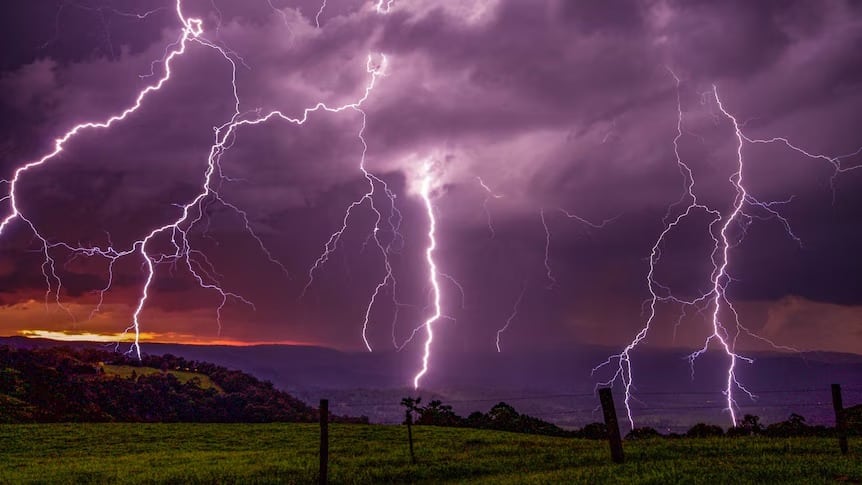
ISLAMABAD: A lightning strike in the remote Nike Shan Khel area of Bazar Zakha Khel, Landi Kotal, resulted in the deaths of two children and left four others injured.
The lightning hit the residence of a local resident named Zalib Gul, causing immediate fatalities.
The deceased children have been identified as Inayatullah, son of Zalib Gul, and Mukhib, son of Shahi. Among the injured is Arshad, son of Yasin.
According to hospital sources, one of the injured individuals remains in critical condition and is receiving emergency medical treatment.
The tragic incident has left the local community in deep mourning, with residents actively participating in initial rescue efforts.
Context: Deadly Lightning Incidents in Pakistan
Lightning strikes pose a severe and escalating natural hazard in Pakistan, particularly during the pre-monsoon and monsoon seasons (ranging from April to September).
Mountainous terrains, rural plains, and coastal belts are highly vulnerable due to changing climate patterns, which have intensified severe weather events across South Asia.
- High-Casualty Zones: Regions like Tharparkar in Sindh, parts of Balochistan, and the mountainous areas of Khyber Pakhtunkhwa (including Landi Kotal and swat) frequently witness deadly lightning strikes.
- In rural areas, the risk is compounded by open fields, mud houses, and a lack of modern lightning arrestors.
- Climate Change Impact: Environmental experts link the rising frequency of these fatal strikes to global warming.
- Higher temperatures lead to increased atmospheric moisture and stronger convective storms, creating more frequent and violent lightning.
- Socio-Economic Vulnerability: A large portion of the casualties involves farmers, shepherds, and children in open rural spaces.
- Because many homes in remote regions are constructed with weak materials and lack proper grounding systems, lightning strikes often cause structural collapses, fires, and immediate casualties inside the household.