
Lahore: Federal Minister for Petroleum, Ali Pervaiz Malik, stated that the recent relief provided to the public exceeded the actual drop in global oil prices.
Speaking to the media in Lahore, the minister appreciated the peaceful conclusion of the first ten days of Muharram-ul-Haram, commending the Pakistan Army, Prime Minister, and Chief Minister of Punjab for maintaining law and order.
Addressing global dynamics, Ali Pervaiz Malik remarked that peace has returned to the region following the cessation of the Iran-US conflict, which subsequently drove down petroleum prices in the international market.
The Petroleum Minister emphasized that the government remains highly proactive regarding price reductions.
He noted that Prime Minister Shehbaz Sharif ensured the immediate transfer of these benefits to the public, offering a price cut greater than the proportionate decrease in the global market.
Furthermore, he cautioned against elements misleading the public regarding fuel prices.
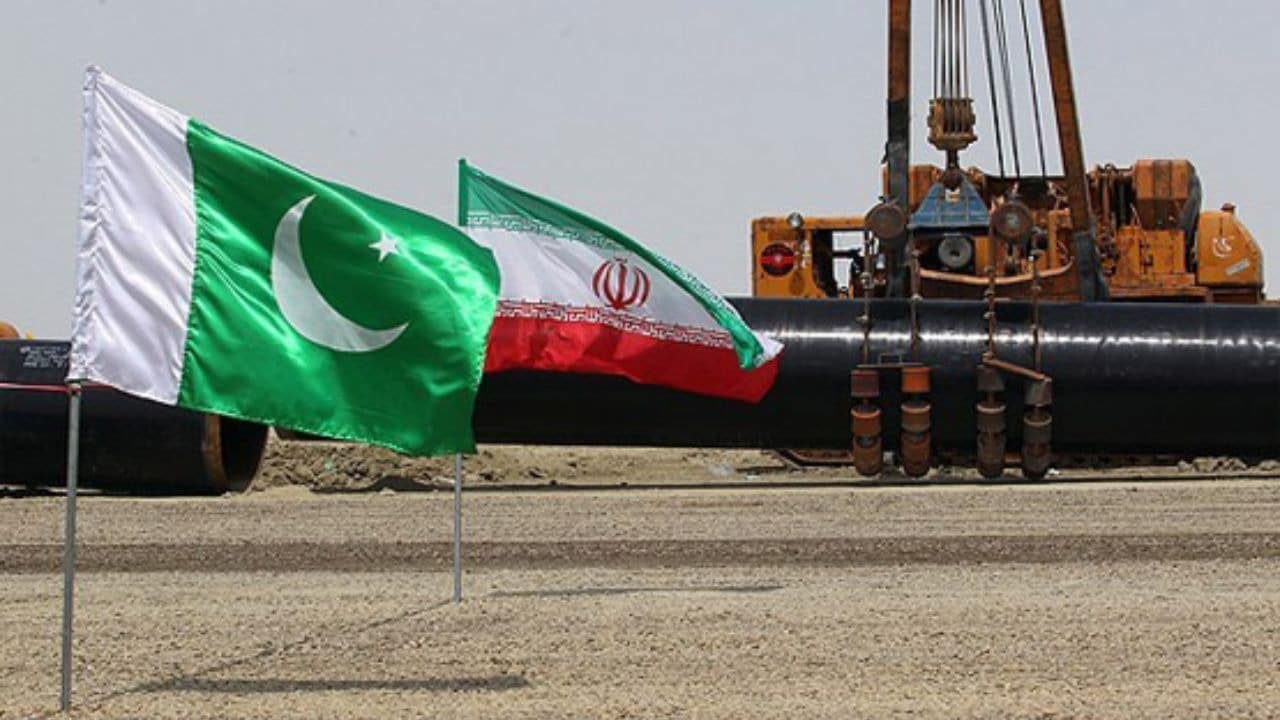
He affirmed that Pakistan would honor its international agreements while exploring options to purchase cheaper oil and gas from Iran.
Context: Pakistan-Iran Trade Opportunities
Despite long-standing geopolitical friction and the shadow of international sanctions, Pakistan and Iran share immense potential for bilateral trade, driven by geographical proximity and complementary economic needs.
The most critical avenue of cooperation lies in the energy sector. Pakistan facing chronic energy shortages makes it a natural market for Iran’s abundant oil and natural gas reserves.
Reviving discussions around the Iran-Pakistan (IP) gas pipeline and exploring institutional mechanisms for importing cheaper Iranian electricity and petroleum products could significantly lower Pakistan’s industrial production costs.
Beyond energy, agricultural trade presents a vital opportunity. Pakistan can substantially increase its exports of rice, citrus fruits, and textiles to Iran, while importing Iranian petrochemicals, fertilizers, and iron ore.
To bypass international banking constraints, both nations have increasingly looked toward barter trade mechanisms and the establishment of border markets (gabds). Operationalizing these barter channels effectively could formalize informal border trade, boost local economies in Balochistan and Sistan-Baluchestan, and curb smuggling.
By strengthening logistical connectivity through the Islamabad-Tehran-Istanbul (ITI) rail corridor and upgrading border infrastructure, Pakistan and Iran can transform their shared 900-kilometer border from a security challenge into a vibrant economic gateway.



