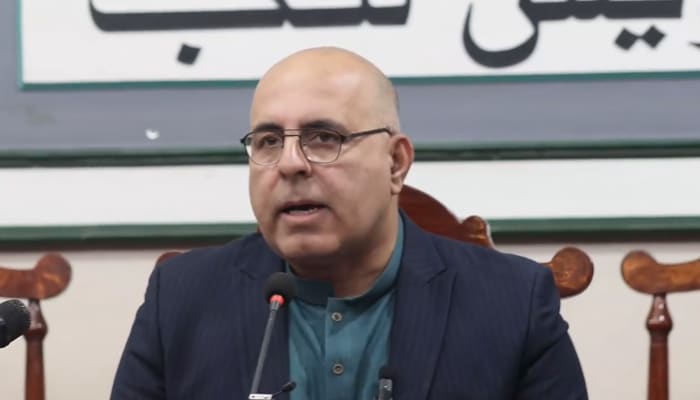
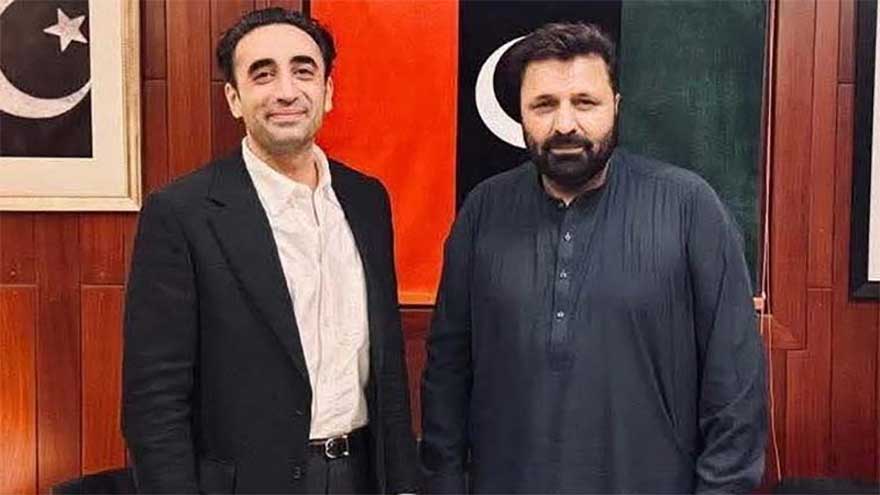
GILGIT: Pakistan Peoples Party (PPP) leader Advocate Amjad Hussain was elected Chief Minister of Gilgit-Baltistan (GB) unopposed, shortly after the newly elected members of the Gilgit-Baltistan Assembly took oath, indicating a significant development in the region’s political landscape.
The election process began following the selection of key assembly office-bearers. PPP’s Imran Nadeem Shigri was elected Speaker of the Gilgit-Baltistan Assembly, while Pakistan Muslim League-Nawaz (PML-N) leader Malik Kifayatur Rehman secured the position of Deputy Speaker.
In this regard, the Speaker Imran Nadeem Shigri announced the schedule for the election of the Leader of the House, inviting nominations for the office of Chief Minister.
He set 7:40 pm as the deadline for submission and withdrawal of nomination papers before adjourning the session.
In this sense, Advocate Amjad Hussain submitted his nomination papers for the top provincial office. However, no other candidate entered the race for the position.
As a result, Speaker Shigri formally announced at 8:00 pm that Hussain had been elected Chief Minister of Gilgit-Baltistan unopposed.
The smooth and uncontested election reflected a broader political understanding among parties represented in the assembly.
Meanwhile, the Speaker also declared PML-N Gilgit-Baltistan President Hafeezur Rehman as the Leader of the Opposition. The announcement came after opposition members submitted a formal requisition seeking his appointment to the role.
The assembly session attracted significant public and political attention. The assembly hall remained crowded with guests, political workers, journalists, visitors, and supporters of various parties.
In addition, the press galleries were filled to capacity as proceedings continued throughout the evening.
The supporters of the successful candidates celebrated the outcome by chanting slogans and expressing enthusiasm inside and outside the assembly premises.
The election of Advocate Amjad Hussain as Chief Minister marks the beginning of a new political chapter in Gilgit-Baltistan, with expectations that the newly formed government will focus on governance, development, and addressing the region’s key challenges in the coming years.