BALAKOT: A tragic accident occurred near Kiwai in Balakot, where a tourist van overturned, resulting in the deaths of three tourists and leaving five others injured.
According to rescue officials, the passengers belonged to a Sikh family from Nankana Sahib who were traveling to Naran for a vacation when the vehicle met with the accident.
All the injured individuals have been promptly shifted to the Balakot hospital for medical treatment.
Context: Road Safety Challenges in Mountainous Tourist Spots
Popular mountainous tourist destinations, such as the Kaghan and Naran valleys in Pakistan, attract hundreds of thousands of visitors every year.
However, these scenic routes often witness a high frequency of road accidents, highlighting a critical intersection of infrastructure deficits, environmental challenges, and driver behavior.
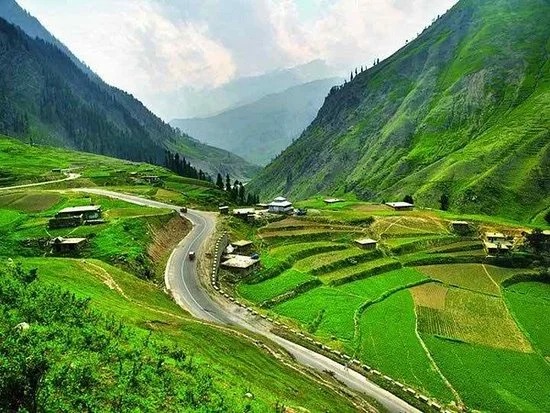
The treacherous terrain of northern Pakistan features narrow, winding roads, sharp hairpin turns, and steep inclines that demand exceptional driving skill and familiarity with alpine conditions.
Several factors contribute to the recurring vehicular mishaps in these regions. Landslides, unpredictable weather, and dense fog frequently compromise visibility and road integrity.
Furthermore, many commercial and private vehicles used for tourism are poorly maintained, suffering from brake failures or tire bursts under the strain of steep descents.
This physical risk is exacerbated by drivers who are unaccustomed to mountain driving, often falling prey to fatigue, speeding, or overtaking on blind curves.
The influx of seasonal traffic during peak holidays puts additional pressure on the fragile road networks, creating bottlenecks and increasing the likelihood of collisions.
To mitigate these risks and protect travelers, local authorities and tourism boards are increasingly focusing on stricter enforcement of safety protocols.
This includes mandatory fitness checks for tourist vehicles, erecting better safety barriers, and setting up prominent signage along hazardous stretches.
Improving emergency response times and establishing well-equipped trauma centers closer to remote tourist hubs are also essential steps in minimizing fatalities when accidents do occur.