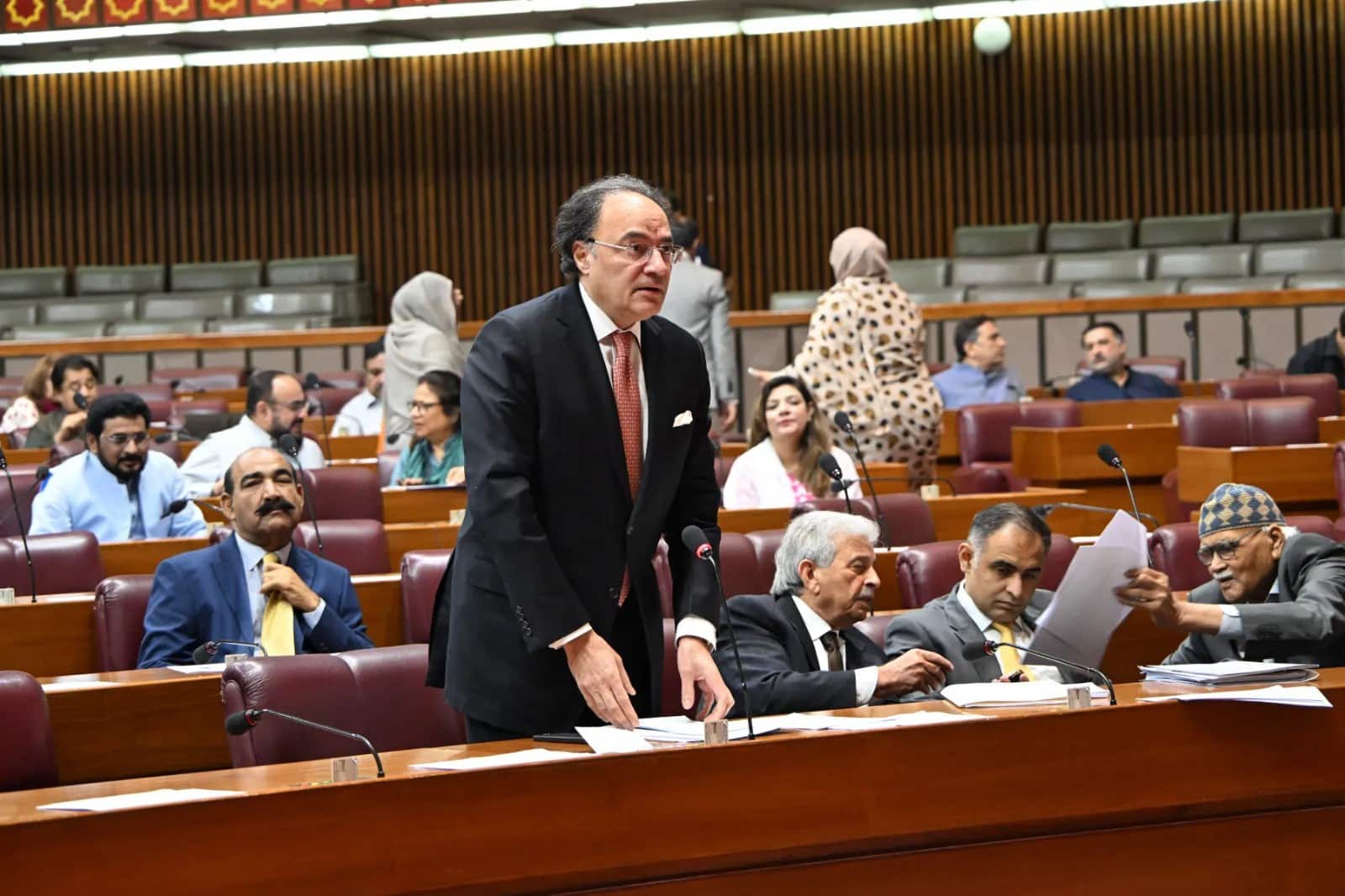
ISLAMABAD: The National Assembly has approved mandatory expenditures exceeding Rs407.41 trillion for the fiscal year 2026-27, concluding detailed discussions on the financial allocations during its latest session.
In this regard, a wide range of expenditures covering government operations, debt servicing, pensions, grants, and development-related obligations have been sanctioned. The approval marks a significant step in the federal government’s budget process for the upcoming fiscal year.
So far, Rs5 million has been earmarked for Pakistan Post Office operations. Additionally, Rs6.93 billion has been allocated for allowances and pensions of government employees.
The Assembly also approved Rs57 billion for various grants, aid programs, and miscellaneous expenditures.
The House further sanctioned Rs500 million for Pakistan’s foreign missions, while the Ministry of Law and Justice has been allocated Rs539.4 million.
In this sense, more than Rs607 billion was approved for the federal government’s external development loans and advances.
Budget documents reveal that over Rs2.80 billion has been allocated for the staff, household expenses, and allowances of the President of Pakistan.
In addition, Rs1.30 trillion has been approved for the repayment of short-term foreign liabilities. Domestic debt servicing remains one of the largest expenditure components, with more than Rs69.82 trillion allocated for interest payments on local debt.
Furthermore, over Rs259 trillion has been earmarked for the repayment of principal amounts on domestic borrowings.
The National Assembly also approved Rs2.36 billion for the annual expenditures of the Islamabad High Court. For the conduct of elections, Rs10.57 billion has been allocated, while more than Rs250 million has been approved for the Federal Ombudsperson Secretariat for Protection Against Harassment of Women at the Workplace.
The approvals come as part of the government’s broader fiscal planning efforts to meet constitutional obligations, manage debt commitments, and ensure the continued functioning of key state institutions.