WASHINGTON: Iran has taken extraordinary security measures around its underground nuclear facilities where highly enriched uranium is believed to be stored.
The American broadcaster CNN, citing sources familiar with U.S. intelligence assessments, reported that Iran has recently implemented a series of defensive steps aimed at securing its nuclear material.
These measures include sealing underground tunnel networks and placing landmines at or near entry points to restrict access to critical sites.
The sources further claimed that these actions have made access to nearly half a ton of highly enriched uranium significantly more difficult, dangerous, and time-consuming than before.
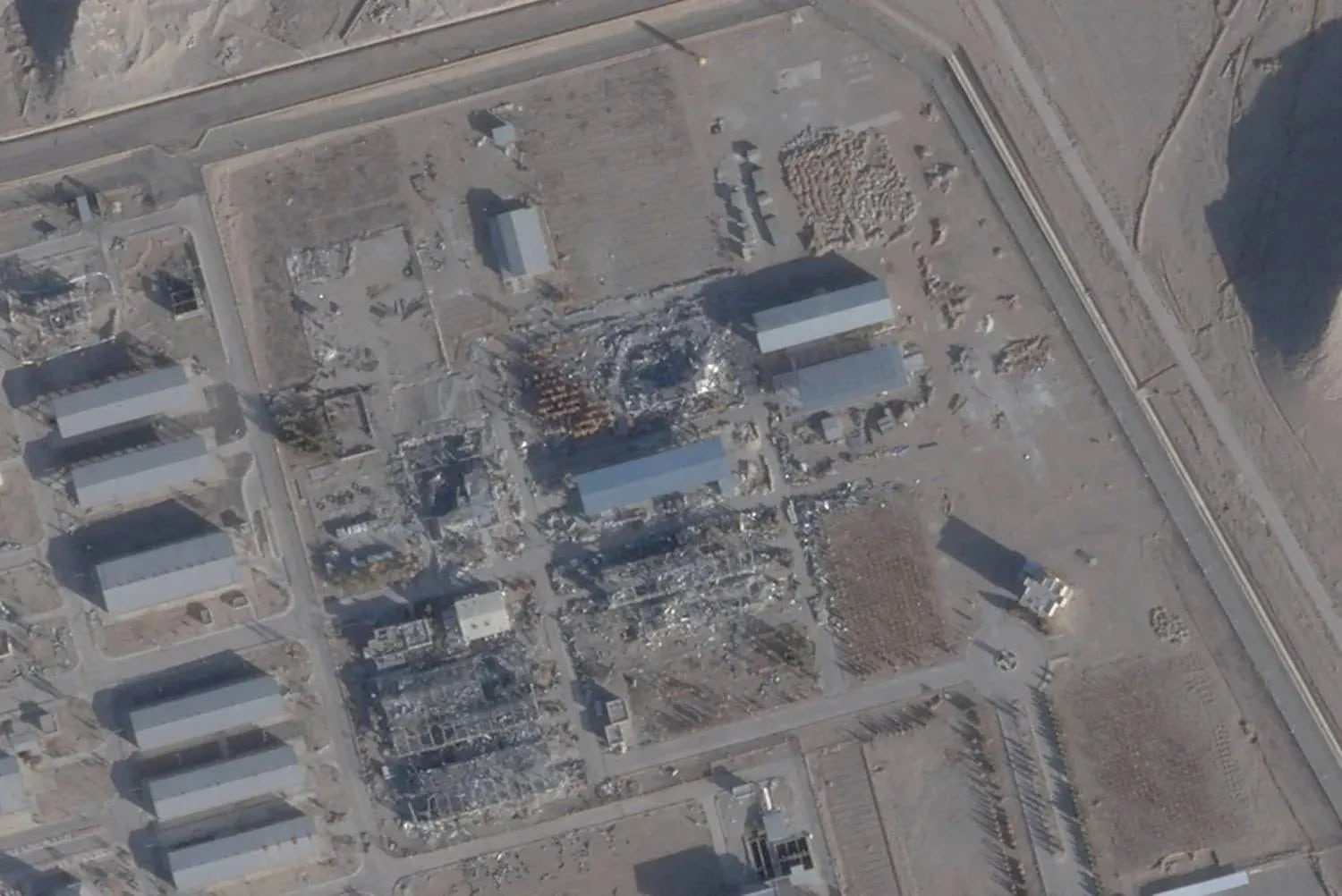
The material is believed to be stored across multiple locations, with a substantial portion reportedly located within damaged underground tunnels at the Isfahan nuclear facility in central Iran, while smaller quantities are believed to be held at other secured sites.
In this regard, the report also stated that international monitoring agencies and intelligence assessments have long tracked the location of Iran’s enriched uranium stockpile.
However, the latest developments suggest that physical access to these materials may now be far more restricted due to reinforced security structures and intentional obstruction of entry routes.
Separately, the report alleged that in mid-May, the United States military had been preparing for a possible ground operation aimed at gaining control over Iran’s nuclear materials.
Iran has not officially confirmed these specific security measures as described in the report. Similarly, the US authorities have not publicly detailed any operational plans related to ground intervention.
The situation remains highly sensitive, with analysts warning that any attempt to alter the status of these nuclear facilities could have far-reaching consequences for regional stability and international diplomacy.