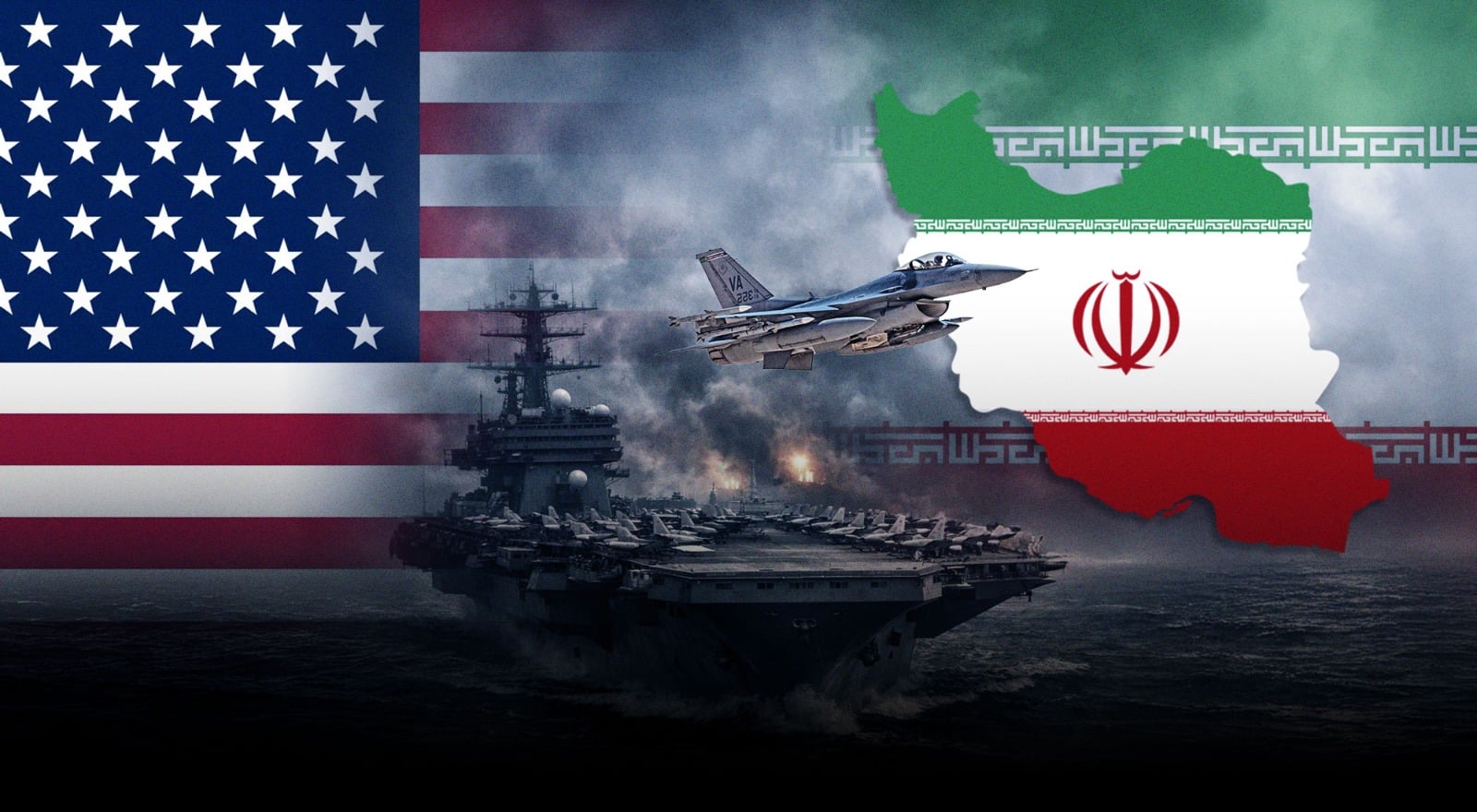
DUBAI: The United States and Iran exchanged a fresh round of missile and drone strikes, escalating tensions and casting further doubt on Washington’s efforts to secure a new ceasefire agreement with Tehran.
According to the US military, American forces carried out strikes on an Iranian military ground control station on Qeshm Island. US forces also launched a Hellfire missile at the Botswana-flagged tanker after it allegedly ignored repeated warnings while attempting to pass through the Strait of Hormuz toward Iran’s Kharg Island.
The US Central Command (CENTCOM) said the tanker was unladen and had continued its course despite warnings issued over a 24-hour period. The vessel was intercepted in international waters north of the Strait of Hormuz near Kuwait.
In response, Iran’s Islamic Revolutionary Guard Corps (IRGC) claimed it launched missile and drone attacks against the US Fifth Fleet headquarters in Bahrain. However, CENTCOM denied that the facility had been hit and maintained that an “ongoing ceasefire” between the two countries remained in effect.
The confrontation quickly spread across the Gulf region. Kuwait’s military reported intercepting missiles and drones and warned residents not to approach debris or unidentified objects resulting from the interceptions. Air raid sirens were also activated in Bahrain.
CENTCOM said two Iranian missiles aimed at Kuwait either fell short or broke apart before reaching their targets, while three missiles directed at Bahrain were intercepted by US and Bahraini air defenses. The command further stated that American forces successfully defended against another wave of Iranian drones targeting US military positions in Kuwait, with no casualties reported.
US officials also said three one-way attack drones launched toward civilian shipping lanes were shot down, though no additional details were provided.
The latest exchange of fire highlights the fragile state of diplomacy in the Middle East and underscores the lack of tangible progress toward resolving the broader regional crisis.
Despite the escalation, US Secretary of State Marco Rubio struck an optimistic tone during his first appearance before the Senate Foreign Relations Committee since the US and Israel launched military operations against Iran. Rubio argued that a new agreement with Tehran remained within reach and claimed Iranian officials had shown a willingness to discuss aspects of their nuclear program that they had previously refused to negotiate.
Iran, however, has signaled a harder line. Tehran has indicated that it may suspend peace talks with Washington in protest against Israel’s military offensive in Lebanon, raising concerns that ongoing negotiations could collapse altogether.