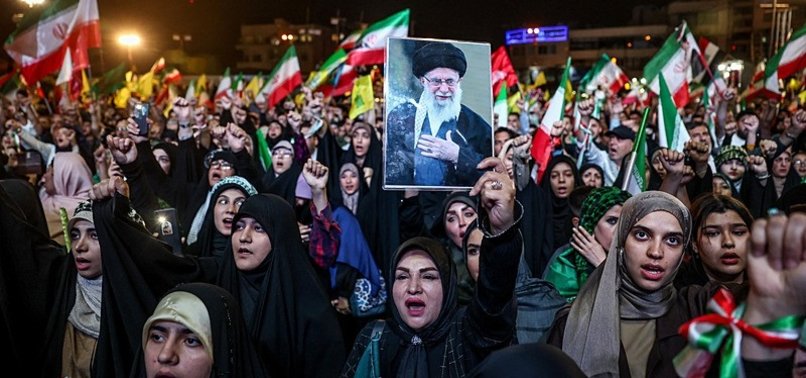
TEHRAN: Iranian authorities have begun preparations for the funeral and burial of Supreme Leader Ayatollah Seyyed Ali Khamenei, with ceremonies expected to draw millions of mourners from across Iran and neighboring countries.
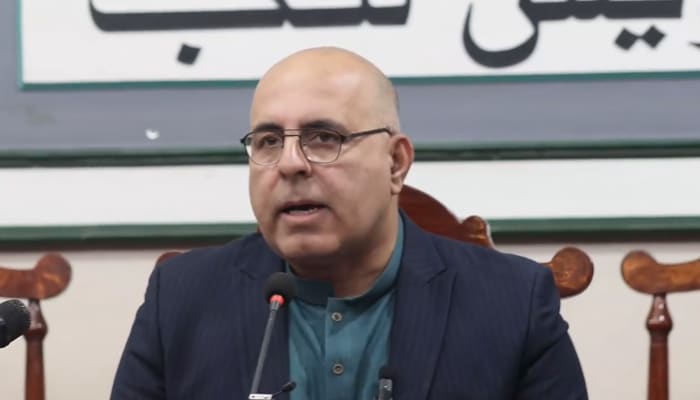
According to Iranian media reports, Deputy Mayor of Tehran for Social and Cultural Affairs Mohammad Amin Tavakoli-Zadeh said extensive arrangements were being made for the funeral of martyred supreme leader, with preparations in the capital alone aimed at accommodating between 15 and 20 million people.
Tavakoli-Zadeh described Khamenei as a prominent anti-imperialist leader and a central figure in Iran’s resistance against the United States and Israel. He said the nation was preparing to bid farewell to a leader regarded as a symbol of steadfastness and religious authority.
Funeral prayers are expected to be held in Tehran, and Mashhad, with burial planned at the shrine of Imam Reza in Mashhad. Iranian officials said several provinces had requested to host funeral ceremonies, and the burial is likely to take place toward the end of Dhu al-Hijjah or at the beginning of Muharram.
Authorities expect the funeral program in Tehran to continue for nearly 24 hours. Tavakoli-Zadeh said the ceremonies would bring together one of the largest gatherings of Shia Muslims in recent history, while also attracting participants from across the broader Muslim world.
Iranian media reported that large numbers of mourners are expected to travel from neighboring countries, including Pakistan, Afghanistan, India, Bangladesh, and the Kashmir region, to attend the funeral prayers and commemorative events.
According to the reports, Ayatollah Khamenei was killed during a US-Israeli attack on Iran on February 28. The reports claim that several members of his family and senior commanders of Iran’s Islamic Revolutionary Guard Corps (IRGC) were also killed in the strikes.
The reports further allege that a girls’ school in the city of Minab was hit during the bombardment, resulting in the deaths of 165 people, including schoolchildren. Iran subsequently launched retaliatory attacks against Israeli targets and US military installations across the region.
The reports state that a ceasefire was later reached between the United States and Iran in April through Pakistani mediation, bringing a halt to direct hostilities. However, Iran reportedly retained control over the Strait of Hormuz, while a US-led maritime blockade remains in place, with selected vessels being permitted to transit the strategic waterway.