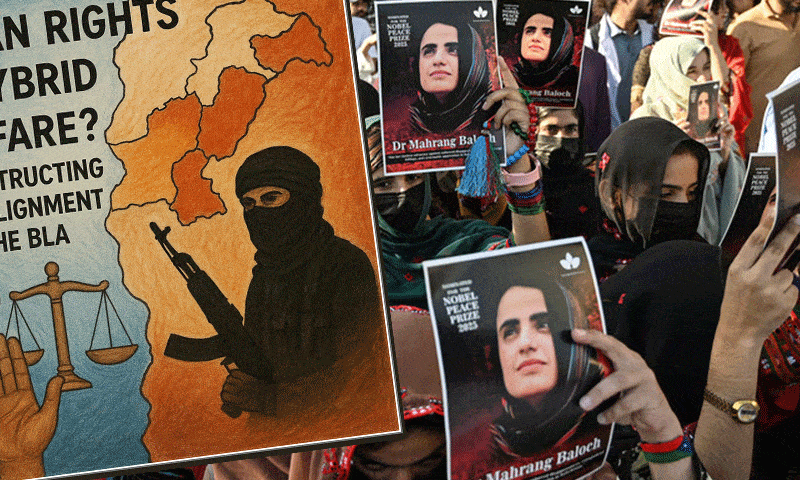
QUETTA: The debate over human rights conditions and missing persons in Balochistan has intensified once again following the release of a new report on missing persons. The report has triggered fresh political and public reactions and reignited competing narratives over the issue. Competing narratives have emerged from different stakeholders, further deepening the controversy.
Some circles allege that certain human rights and media networks active on Balochistan issues are influenced or funded by India. They point to claims linked to 2020 reports, including references to so-called “Indian Chronicles,” which allegedly exposed fake NGOs and advocacy groups operating in Pakistan. These claims suggest a broader Indian information and narrative-building campaign. However, these allegations remain contested and are not independently verified.
In the same context, a recently circulated report attributed by some groups to “HRCB” has drawn scrutiny. The report includes figures and cases related to missing persons. Its credibility has been questioned by critics.
They argue that several names and case lists in the report appear to be drawn from social media networks that already circulate unverified claims. Critics describe this process as an “ecosystem” or “echo chamber,” where allegations are repeated across platforms and later incorporated into formal reports without full independent verification.
Opponents of such reporting methods say a pattern can be observed. A person is first declared missing through online claims. A social media campaign then amplifies the claim. The same information is later included in reports. It is then cited at international forums, they argue.
Critics also claim that some cases later surface with alternative explanations or disputed details. They present these instances as evidence questioning the reliability of certain datasets and reporting practices. They argue that reliance on unverified social media input can undermine neutrality, especially when linked to political narratives.
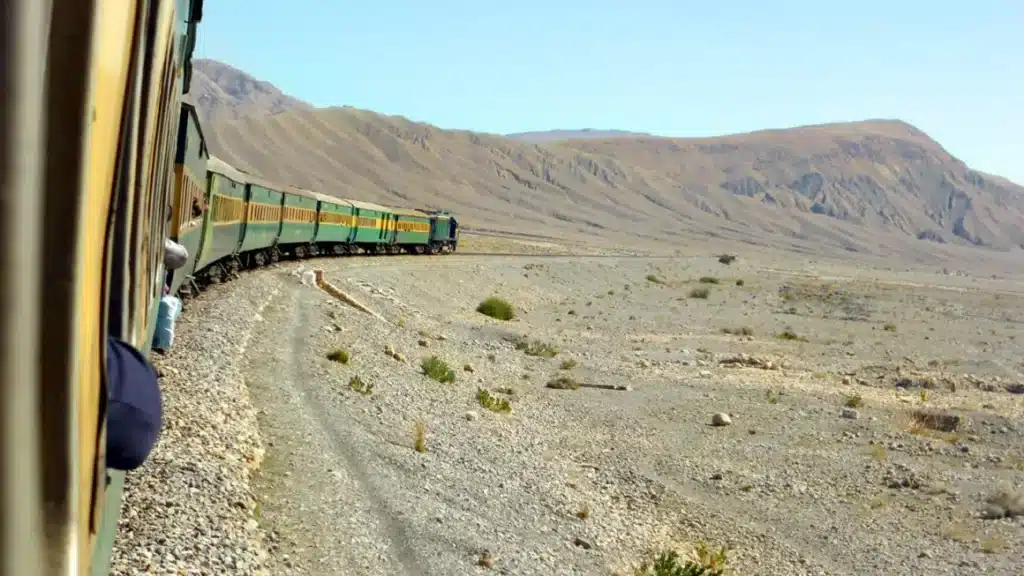
On the other hand, some voices stress that any human rights assessment must cover all victims without exception. They argue that reports should also include civilians affected by militant attacks. They cite incidents in Chaman, Mach, and other areas, where passengers, teachers, and laborers have been killed or injured.
They warn that excluding victims of terrorism from such reports raises concerns about balance and completeness.
The broader debate over missing persons, human rights documentation, and alleged external influence in Balochistan thus remains deeply polarized. Different sides continue to present competing claims, and no consensus has yet emerged.