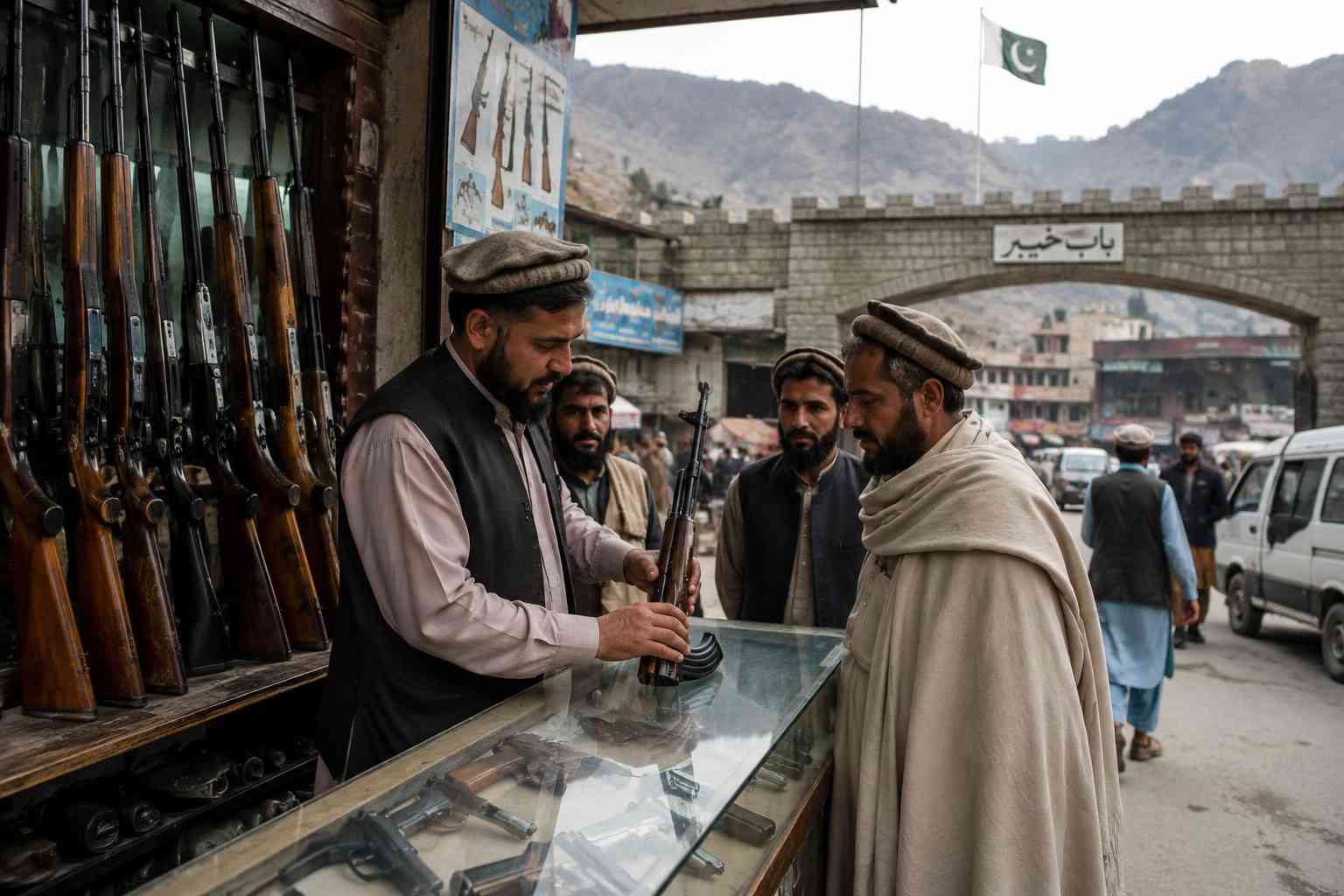
PESHAWAR: More than 277,000 gun licenses have been issued in Khyber Pakhtunkhwa province over the past two years, highlighting growing public fears over militancy, crime and weak security.
Official data showed that over 400,000 applications for gun licenses were submitted between January 2024 and March 2026. Authorities approved 314,855 applications and generated more than Rs3 billion ($10.7 million) in revenue through licensing fees.
The trend has raised concerns that the province, long associated with militancy and tribal conflicts, may be slipping back toward a stronger gun culture.
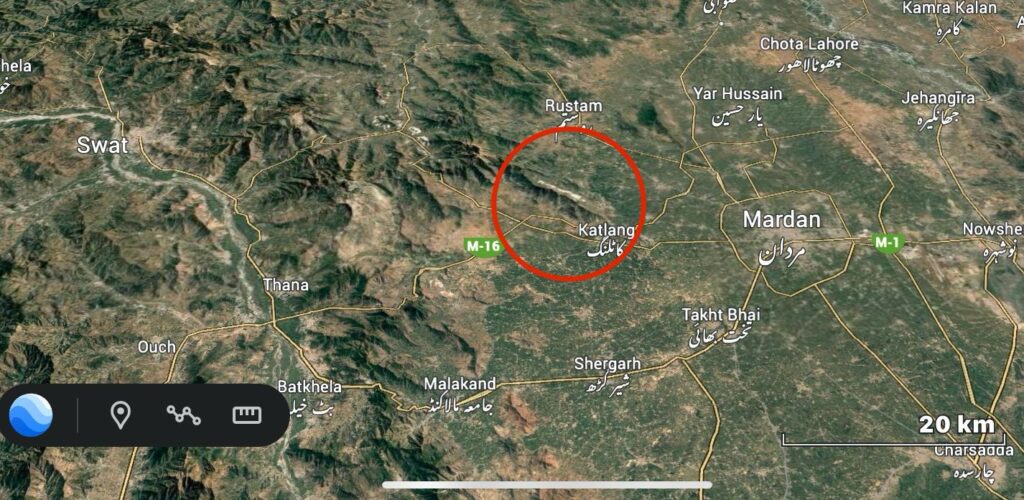
The provincial capital Peshawar recorded the highest number of licenses, with 45,375 permits issued. Swat, Mardan, Swabi and Charsadda also saw high numbers.
Thousands of licenses were also issued in volatile districts bordering Afghanistan, including North and South Waziristan, Kurram and Bannu.
Documents from the provincial Home Department showed pistols accounted for most approvals. More than 250,000 pistol licenses were granted, generating over Rs2.1 billion in revenue. Authorities also approved licenses for rifles, shotguns and revolvers.
The rise in gun ownership coincided with an increase in crime and militant violence.
Data from the Pakistan Bureau of Statistics showed murder cases in the province rose from 2,384 in 2020 to 3,109 in 2024. Kidnapping cases also increased during the period.
Authorities reported 295 militant attacks in the province in 2024.
Security experts said residents increasingly viewed firearms as tools for protection as well as symbols of power and social status.
Dr. Muhammad Abrar, a criminology expert at the University of Peshawar, warned that easy access to weapons could turn minor disputes into deadly incidents.
Provincial officials defended the licensing process and said applicants undergo biometric checks, police verification and legal scrutiny before approval.
However, concerns persist over the spread of locally manufactured and unregistered weapons, particularly from areas such as Darra Adam Khel, where arms production remains widespread.