KARACHI: Pakistan originally developed its national merchant fleet to counter strategic maritime vulnerabilities, expanding from just three vessels in 1947 to 41 by the 1960s. The Pakistan National Shipping Corporation (PNSC) operated approximately 20 ships in 1979 and reached a peak operational capacity of 45 vessels by 1982, comprising oil tankers, bulk carriers, and general cargo ships. During this peak period, the corporation independently managed critical imports and exports while generating consistent dividends for the national exchequer.
Present Operational and Financial Status
The corporation’s fleet has contracted to 13 active vessels, with half of the current fleet exceeding 20 years of age. While PNSC recorded a net profit for Fiscal Year 2024–25, underlying financial metrics indicate structural challenges. Year-on-year revenue declined by 19%, and gross profit margins compressed to 29.8%. Furthermore, standalone company profits for the first quarter of Fiscal Year 2026 dropped by 34% year-on-year to Rs 3.71 billion. Financial data reveals that current revenue generation relies heavily on asset liquidations and vessel charters rather than core, sustainable shipping operations.
Core Factors behind Underperformance
Analysis indicates several critical drivers behind PNSC’s reduced market competitiveness. The deadweight tonnage of PNSC vessels lags significantly behind global benchmarks, particularly within the dry bulk and container segments. Additionally, past charter agreements concluded without adequate profit-margin assessments, resulting in net operational losses. This has led to a severe market share deficit where foreign carriers dominate 90% of Pakistan’s cargo transport, leaving PNSC to handle only 11% of national cargo volume, representing a mere 4% of total trade value. Finally, aging vessels have caused an escalation in maintenance expenses, repair costs, and operational idle days, further squeezing margins.
Macroeconomic Impact
The decline of the national shipping carrier has wide-ranging economic implications. Reliance on international shipping lines costs the national economy between USD 4 billion and USD 8 billion annually in foreign exchange freight charges. This reliance also increases strategic vulnerability due to limited national control over maritime transport corridors for essential imports. Furthermore, reduced fleet activity directly limits employment opportunities for local seafarers and maritime engineers, while stunting the growth of domestic ship repair, insurance, and port-linked services. These cumulative higher freight costs ultimately reduce the competitiveness of Pakistani exports in global markets.
Global and Regional Comparisons
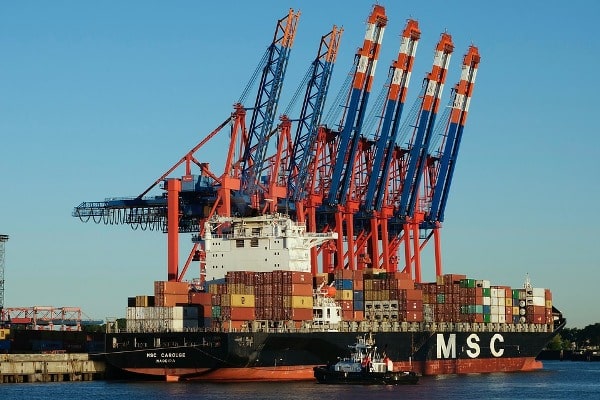
While Pakistan’s fleet contracted, regional and global peers expanded their maritime presence significantly. The Shipping Corporation of India (SCI) maintains an active fleet of 57 to 64 globally integrated ships, while Sri Lanka commands approximately 95 flagged vessels. Looking at historical shifts, South Korea progressed from just 10 to 15 ships in the 1960s to 461 by the 1990s, and currently operates a fleet exceeding 2,100 vessels. Similarly, Indonesia expanded its merchant infrastructure from a modest baseline to now maintain over 11,400 registered vessels.
Strategic Turnaround and Restructuring Strategy
To address these institutional challenges, the Government of Pakistan has initiated a comprehensive restructuring plan by assigning the management of PNSC to the National Logistics Cell (NLC). The transition framework includes evaluating 30% of PNSC’s corporate shares at current market rates. The capital generated through this equity restructuring will be strictly reinvested to modernize and expand the national vessel fleet under professional management.
Expected Integration Benefits
The administrative merger of land and maritime logistics under NLC is structured to deliver clear operational benefits. It creates immediate supply chain synergies by integrating land transport competencies with maritime operations to minimize port turnaround times and reduce vessel idle days. Enhanced funding through broader ownership will accelerate fleet renewal, systematically replacing aging vessels with modern, high-capacity carriers. Ultimately, improved operational performance will translate into higher corporate tax revenues and increased dividend yields for the national exchequer.