DUBAI: Iran has moved to close the Strait of Hormuz, with vessels operating in the Gulf reportedly receiving high-frequency radio broadcasts from Iran’s Revolutionary Guards warning that ships would not be permitted to transit the strategic waterway.
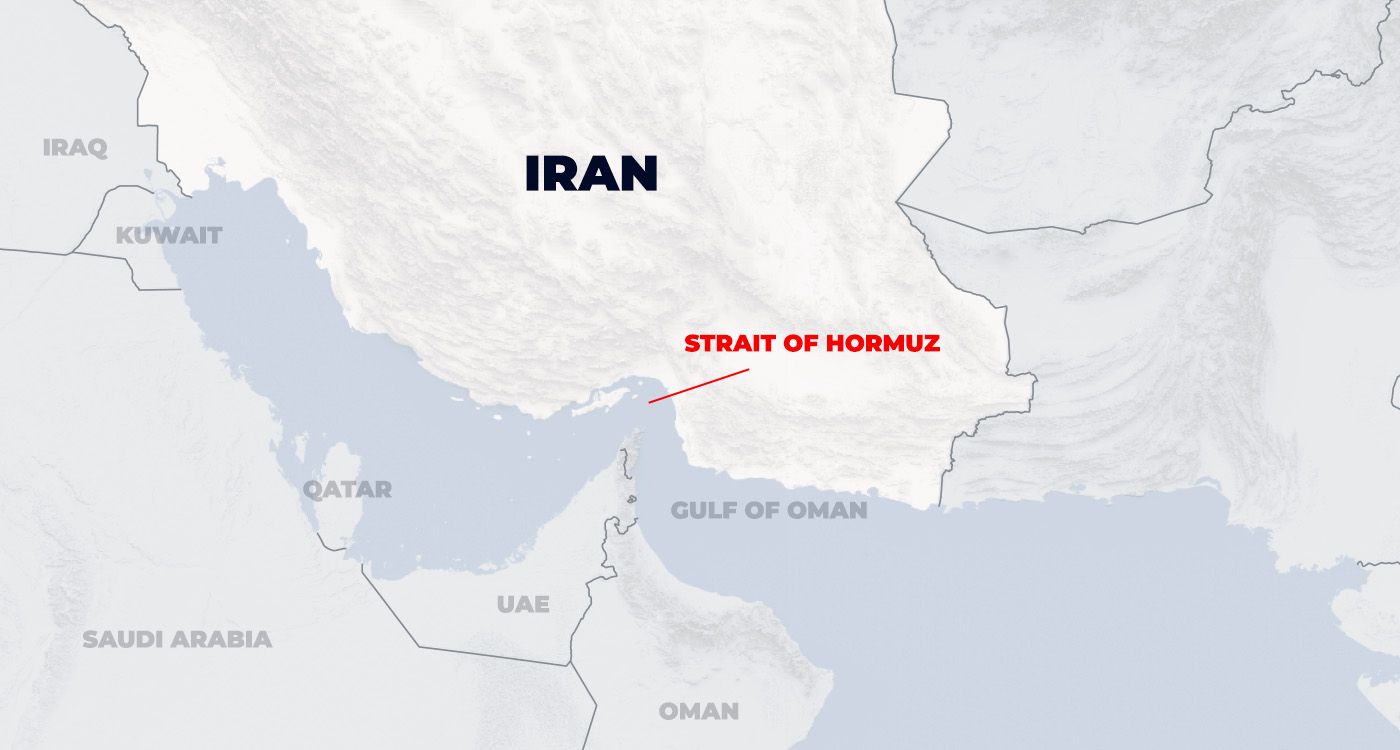
The Strait of Hormuz, situated in the Arabian Gulf, is considered one of the most vital maritime routes in the world. The development comes shortly after the United States and Israel conducted missile strikes on Iranian targets.
Iran occupies the northern coastline of the Strait of Hormuz and maintains control over key approaches to the channel. This geographic position provides Tehran with substantial leverage over maritime traffic moving through the narrow passage, which serves as a critical gateway for global energy supplies.
In this regard, approximately 20 percent of the world’s daily oil consumption passes through the Strait of Hormuz, underlining its strategic importance.
Maritime security agencies are closely monitoring the situation, and several commercial operators are said to be reassessing transit plans through the region.
The United States and its regional allies have long focused on the importance of ensuring freedom of navigation in international waters, particularly in critical chokepoints such as the Strait of Hormuz.