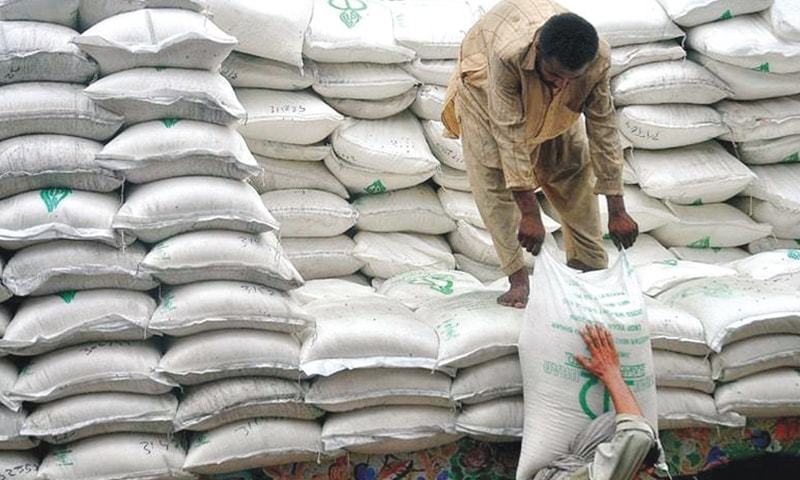
PESHAWAR: A steep surge in flour prices has been reported in Khyber district of Khyber Pakhtunkhwa, significantly adding to the hardships faced by residents.
The price of a 20-kilogram bag of flour has risen by Rs 500, pushing daily living costs further out of reach for ordinary citizens.
According to details, flour prices in areas including Khyber district and Landi Kotal have soared rapidly.
The sharp increase is attributed to restrictions on the transportation of wheat from Punjab.
Consumers have urged the authorities to immediately lift the ban on flour supply from Punjab to ensure availability at previous rates.
Residents warn that if inflation continues unchecked, it will become increasingly difficult for the common man to provide even basic food for his children.
Flour prices in Pakistan are influenced by a combination of economic, administrative, and supply-related factors.
One of the major reasons is the availability of wheat, which depends heavily on seasonal production, climate conditions, and crop yields.
Any shortfall in domestic wheat production immediately puts pressure on flour prices.
Inter-provincial movement restrictions and government-imposed bans on wheat or flour transportation also disrupt supply chains, leading to artificial shortages in some regions and sudden price hikes.
Another key factor is government policy, including support prices for wheat, procurement targets, and subsidy mechanisms.
Delays in wheat procurement, inadequate storage facilities, and poor distribution systems often result in market instability.
Rising input costs such as fuel, electricity, fertilizers, and transportation further increase milling and distribution expenses, which are passed on to consumers.
Additionally, hoarding, profiteering by middlemen, and weak market regulation play a significant role in pushing flour prices beyond affordable levels, making staple food increasingly expensive for the general population.