LONDON: A bizarre and unprecedented cheating controversy has taken the cricketing world by storm, exposing the vulnerabilities of umpiring at the grassroots level and sparking formal investigations.
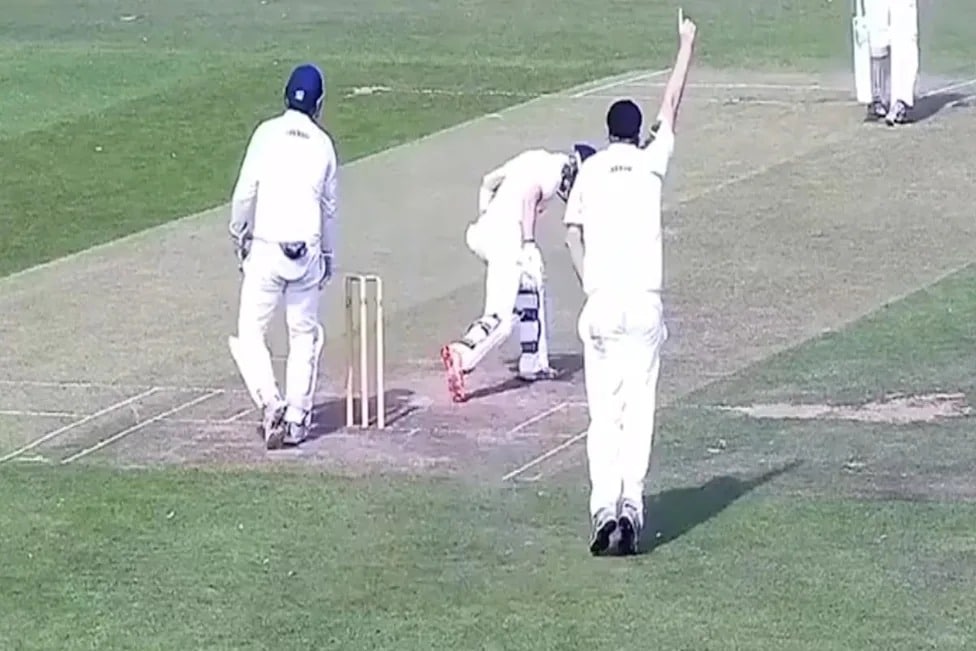
Dubbed “Clickgate,” the incident unfolded during a North Yorkshire and South Durham Cricket League Division Two fixture between Saltburn Cricket Club and Norton Cricket Club. During the match, a batter was adjudged out “caught behind” by the on-field umpire despite television and social media footage confirming that the ball passed well clear of the bat with zero physical contact.
The dismissal hinged on audio deception rather than actual contact. Video evidence revealed that at the exact split-second the ball passed the batter, a Saltburn fielder stationed at first slip snapped his fingers loudly.
The sharp, crisp acoustic sound closely mimicked the traditional “thin edge”—the distinct tick of a cricket ball clipping a wooden bat. Taken aback by the acoustic illusion, the umpire immediately raised his finger.
The incident quickly went viral across global social media platforms, accumulating millions of views and earning the fielder the satirical moniker “Clicky Ponting.”
Following the widespread circulation of the footage, the scandal deepened as players from competing clubs stepped forward with similar allegations.
Critics claimed the auditory trick had been systematically exploited throughout the season to deceive umpires who operate without the luxury of Decision Review Systems (DRS) or advanced audio aids like Snickometers.
Furthermore, heightened scrutiny fell upon the team’s wicketkeeper, who had logged an abnormally high tally of caught-behind dismissals in preceding weeks.
In response to mounting pressure and formal complaints lodged by rival teams, league authorities have launched a comprehensive investigation into the club’s matches and conduct, underscoring the urgent need for enhanced sportsmanship and regulatory oversight in recreational sports.