PESHAWAR: The Peshawar High Court has rejected a petition challenging the nomination of Khyber Pakhtunkhwa Chief Minister Sohail Afridi as an accused in the Radio Pakistan attack case, leaving the proceedings against him and other Pakistan Tehreek-e-Insaf (PTI) leaders intact.
The petition had challenged the use of forensic and National Database and Registration Authority (NADRA) reports that were relied upon to nominate Afridi and several other PTI figures in the case linked to the May 9, 2023 violence in Peshawar.
During the hearing, the special prosecutor told the court that the trial in the Radio Pakistan attack case was already underway before an anti-terrorism court.
The prosecution said forensic material and NADRA identification reports had subsequently been used in connection with the nomination of Afridi, former provincial ministers Taimur Saleem Jhagra and Kamran Bangash, PTI Peshawar district president Irfan Saleem and another party worker.
The prosecutor also questioned the procedure through which video footage was sent to the Punjab Forensic Science Agency (PFSA), arguing that the footage had been provided through a USB device. The newly nominated individuals had not been included in the initial charge sheet and were added later, the court was told.
Counsel for Radio Pakistan, Supreme Court lawyer Shabbir Hussain Gigiani, opposed the petition. He argued that any challenge to the forensic reports should have been made by the accused themselves and questioned the authority of the special prosecutor to challenge the reports in that manner.
After hearing the arguments, the Peshawar High Court rejected the special prosecutor’s petition.
Legal Questions Over Chief Minister’s Position
Following the hearing, Gigiani told reporters that a conviction in the case could have implications for Afridi’s position as chief minister of Khyber Pakhtunkhwa.
He argued that a conviction could potentially raise questions regarding Afridi’s eligibility to continue holding public office and could have wider constitutional and legal consequences. These matters, however, would depend on the outcome of the criminal proceedings and applicable law.
Earlier, an anti-terrorism court had rejected a police investigation report as incomplete and inconclusive. On September 18, Judge Wali Muhammad directed the investigation officer to submit a final report after taking into account the PFSA forensic findings and NADRA identification reports.
The development came as the trial in the wider Radio Pakistan case continued before the anti-terrorism court.
The PFSA examined 16 videos provided by police in connection with the May 9 events. According to the forensic findings, facial similarities were observed between some individuals appearing in the footage and Afridi, Jhagra, Bangash and Irfan Saleem.
However, the forensic examination primarily concerned the visual material. The report also noted the presence of additional text or logos in some videos and indications that clips had been combined in two videos.
The forensic findings identified individuals based on the available footage, while questions remained regarding whether all of the videos conclusively represented footage from the Radio Pakistan incident itself.
Background of the Radio Pakistan Case
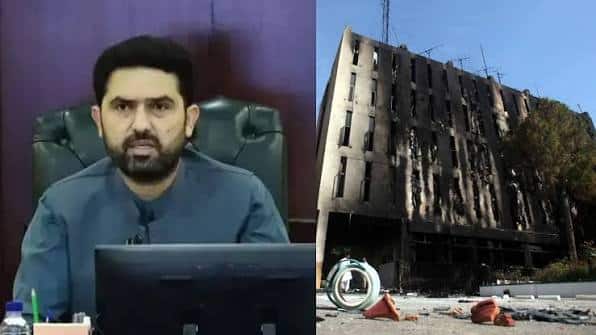
The case relates to violence in Peshawar following the arrest of former prime minister Imran Khan on May 9, 2023. Protesters attacked and set fire to the Radio Pakistan building, which also housed offices of the Associated Press of Pakistan.
ALSO READ: Radio Pakistan Attack Case: Police Confirms CM Sohail Afridi Presence
The anti-terrorism court is already conducting proceedings against dozens of accused persons in the case. Several current and former lawmakers are among those facing charges, while the accused have denied the allegations against them.
The latest Peshawar High Court order keeps the legal proceedings moving forward, while the underlying allegations remain subject to determination by the trial court.