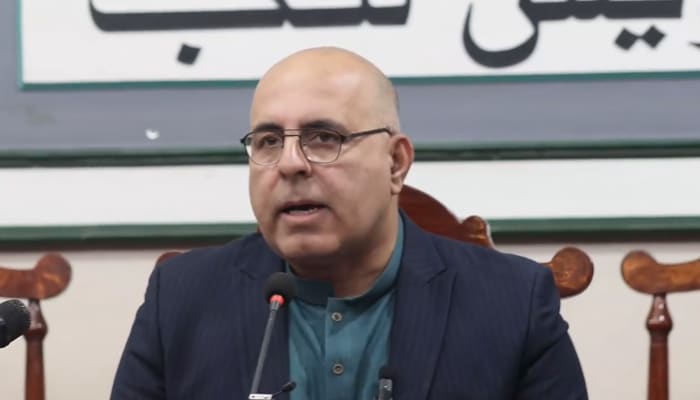

KARACHI: Ameer Jamaat-e-Islami Pakistan, Hafiz Naeemur Rehman, has strongly criticized the governance and development situation in Karachi, alleging that years of poor administration have negatively affected the city and its residents.
Hafiz Naeemur Rehman said that the people of Karachi have suffered due to ineffective governance and claimed that both the Pakistan Peoples Party (PPP) and Muttahida Qaumi Movement (MQM) share responsibility for the city’s deteriorating condition.
He alleged that the two parties have collectively contributed to the decline of infrastructure and public services in the metropolitan city.
The Jamaat-e-Islami leader also raised concerns regarding electoral matters, alleging that MQM had secured seats through unfair means.
He further criticized the municipal administration, stating that cleanliness and sanitation arrangements during the Eid holidays were unsatisfactory, causing inconvenience to citizens across different parts of Karachi.
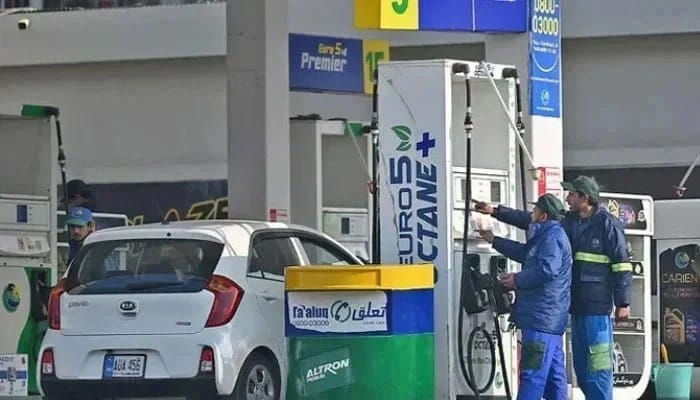
Hafiz Naeemur Rehman expressed concern over the government’s reliance on petroleum levy as a source of taxation. He described the collection of taxes through petroleum levy as an additional burden on the public at a time when citizens are already facing economic challenges.
He argued that fuel prices in Pakistan should be reduced substantially. According to him, the reduction in petrol prices should be much greater than recent adjustments, as global crude oil prices have witnessed a downward trend.
He maintained that the benefits of lower international oil prices should be passed on directly to consumers.
Hafiz Naeemur Rehman demanded the complete abolition of the petroleum levy and urged the government to announce a policy ensuring that petrol prices remain at Rs250 per litre for the next two years.
He said such measures would provide relief to the public and help ease the financial pressure on households and businesses.
The Jamaat-e-Islami chief also criticized the Pakistan Muslim League-Nawaz (PML-N), stating that the party has not introduced any major development project for Karachi. He argued that the absence of significant investment and planning has contributed to the city’s growing challenges and unresolved civic issues.