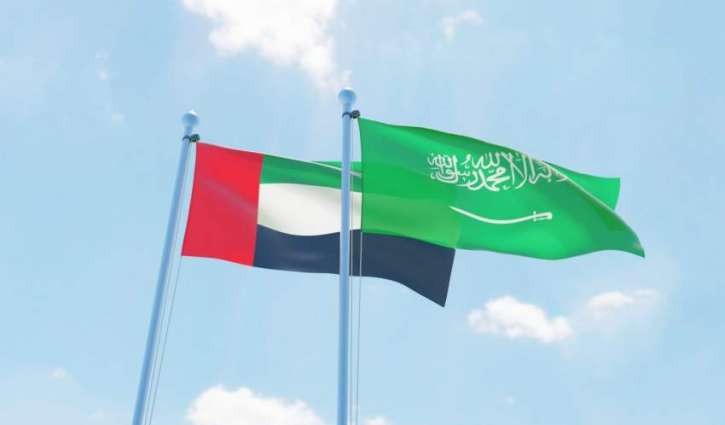
ISLAMABAD: Islamabad is stepping forward as a possible mediator to ease the worsening tensions between Saudi Arabia and the United Arab Emirates over their conflicting roles in Yemen, triggered by recent Saudi airstrikes on suspected UAE-supplied arms destined for southern separatists.
The situation escalated on December 30 when forces from the Saudi-led coalition bombed Mukalla port, destroying weapons and military vehicles that had been offloaded from ships departing from the UAE’s Fujairah port.
Riyadh views these deliveries as support for the Southern Transitional Council (STC), a separatist movement backed by Abu Dhabi that seeks greater independence for southern Yemen.
This strike, following prior warnings, exposes growing cracks in what was once a unified coalition against the Houthis.
The STC has tightened its grip on resource-rich areas such as Hadramout and al-Mahra, pushing out Saudi-supported troops and fueling Riyadh’s fears over Yemen’s territorial integrity and broader regional threats.
Pakistan has stated that it is closely following events in Yemen, reaffirming full backing for Saudi-led peace efforts while also praising the UAE’s positive role in promoting stability, a carefully balanced message that signals Islamabad’s willingness to support any Gulf-initiated steps toward de-escalation.
With longstanding defense partnerships and major economic links to both countries, including military collaboration and vital remittances from Pakistani workers abroad, Pakistan occupies a unique position.
In 2015, it chose neutrality during the Yemen war, refusing combat involvement but extending diplomatic assistance.
The core disagreement lies in strategic priorities: Saudi Arabia seeks a unified Yemen under the recognized government to contain Iran-backed Houthis, whereas the UAE has heavily invested in southern separatists to secure influence over key ports and natural resources.
Experts believe Pakistan’s history of staying neutral in Gulf disputes makes it well-suited to help bridge the gap.
Behind-the-scenes diplomacy, possibly through senior-level channels, could promote restraint and encourage inclusive negotiations among Yemeni parties.
The United States, under Secretary of State Marco Rubio, has called for calm and continued dialogue.
Oman’s established mediation efforts could be complemented by wider initiatives, where Pakistan’s standing in the Muslim world adds credibility.
Success in this role would not only bolster Pakistan’s diplomatic profile but also strengthen economic ties, given the importance of Gulf investment and aid.
As Yemen faces the risk of further violence, Pakistan’s engagement reflects its increasing confidence on the regional stage and could contribute to lasting stability amid intricate proxy rivalries.