
ISLAMABAD: Pakistan has strongly condemned the reported demolition of a century-old mosque in Uttar Pradesh, India, describing the action as a serious attack on a historic Islamic place of worship.
The reaction came after the mosque was reportedly demolished by authorities in Uttar Pradesh during an early-morning operation on September 5, 2026. Indian media reports said the operation was conducted under heavy police deployment, adding to tensions surrounding the removal of the historic religious structure.
Pakistan’s Foreign Office expressed concern over the incident and linked it to what it described as a wider pattern of actions affecting Islamic heritage and places of worship in India.
Pakistan Condemns Century-Old Mosque Demolition
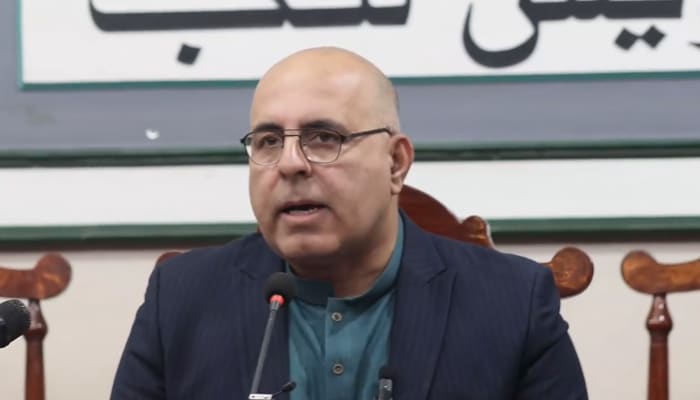
Foreign Office Spokesperson Ambassador Sajjad Haider Khan strongly criticised the reported demolition while responding to questions from the media. According to the spokesperson, Pakistan considers the removal of the century-old mosque a “reprehensible action” involving an important historic Islamic site.
🔊PR No.2️⃣3️⃣7️⃣/2️⃣0️⃣2️⃣6️⃣
Statement by the Spokesperson
🔗⬇️ pic.twitter.com/c7WJAPwPkg
— Ministry of Foreign Affairs – Pakistan (@ForeignOfficePk) September 6, 2026
The Pakistani Foreign Office said the incident should be viewed in the context of the protection of religious and cultural heritage. It stressed that historic places of worship carry significance not only for the communities that use them but also as part of a region’s broader cultural and architectural history.
The statement reflects Pakistan’s continuing concerns regarding developments involving Muslim religious sites and Islamic heritage in India.
Foreign Office Raises Concern Over Islamic Heritage
Ambassador Sajjad Haider Khan described the reported demolition as another manifestation of what Pakistan characterises as an “Islamophobic and Hindutva-driven campaign” targeting Islamic heritage. The comments represent the official position of Pakistan’s Foreign Office on the incident. Islamabad has repeatedly raised concerns about issues involving religious minorities and historic Islamic sites in India. The latest statement similarly placed the Uttar Pradesh demolition within a broader political and religious context, with Pakistan arguing that actions against historic Muslim sites contribute to the erosion of Islamic heritage.
The allegations made by the Pakistani Foreign Office are part of the diplomatic response to the incident and should be understood as Pakistan’s stated position.
Babri Masjid Reference in Pakistan’s Response
While discussing the reported demolition, the Pakistani spokesperson also referred to the Babri Masjid, a historic mosque in Ayodhya that was demolished in 1992. The reference is significant because the Babri Masjid demolition remains one of the most sensitive episodes in the modern history of Hindu-Muslim relations in India. According to the Foreign Office spokesperson, the 1992 demolition continues to serve as an enduring symbol of what Pakistan describes as religious intolerance, prejudice and hatred. By invoking the Babri Masjid episode, Pakistan connected the latest incident in Uttar Pradesh with a much longer-running dispute over the treatment and preservation of Islamic religious heritage in India.
Mosque Demolished During Early-Morning Operation
The reported demolition took place in the early hours of September 5, 2026, according to Indian media reports. Authorities reportedly carried out the operation with heavy police deployment in the area. The presence of security personnel indicates that officials anticipated potential resistance, public gatherings or heightened tensions during the demolition. The incident has since prompted a diplomatic reaction from Islamabad, with Pakistan placing the issue of religious sites and Islamic heritage at the centre of its criticism. Details surrounding the legal and administrative basis for the demolition were not included in the information provided, while the Pakistani statement primarily focused on the religious and historical significance of the mosque.
Religious Heritage Remains a Sensitive Issue
The demolition has once again highlighted the highly sensitive nature of religious heritage in South Asia, where historic mosques, temples and other places of worship can carry deep religious, cultural and political significance. For Pakistan, the reported destruction of an old mosque raises concerns about the preservation of Islamic architectural and religious heritage. Islamabad’s response also reflects the longstanding importance it attaches to developments involving Muslim communities and Islamic sites in neighbouring India. At the same time, the incident comes against the backdrop of longstanding disputes over historic religious structures, particularly those associated with contested claims about the history and ownership of religious sites.
Pakistan Calls Attention to Protection of Historic Sites
Pakistan’s condemnation underscores its position that historic religious places should be treated with respect and protected as part of the cultural heritage of the region. The Foreign Office’s statement also demonstrates how incidents involving religious sites can quickly acquire diplomatic significance between Pakistan and India. The two countries have a complex and often tense relationship, and disputes involving religious identity and heritage have historically been particularly sensitive.The reported demolition in Uttar Pradesh is therefore likely to remain a subject of discussion in diplomatic and political circles, particularly given Pakistan’s decision to publicly condemn the action.