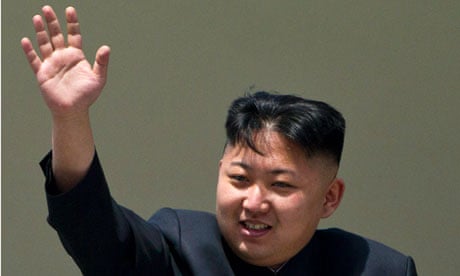
SEOUL: The electoral process for North Korea’s parliament, the Supreme People’s Assembly, has officially concluded, with state media reporting a unilateral and massive victory for the country’s ruling party and its allies.
According to an official statement from the North Korean government, as cited by international news agencies, the ruling Workers’ Party of Korea and its coalition partners have secured almost all of the contested seats. The statement declared that the overall voter turnout surpassed ninety-nine percent, a figure it presented as a testament to national unity and overwhelming public support for the leadership.
Officials reported that all members of parliament were effectively elected unopposed, or with what they described as “limited competition,” a process that ensures the ruling party maintains absolute control over the legislature.
While the state hails the high turnout as a sign of patriotic fervor, international observers and experts view the reported figures as a significant deviation from democratic norms. In North Korea, voting is widely seen by outsiders as a compulsory ritual of loyalty rather than a free exercise of choice, used by the state to monitor its population and project an image of internal cohesion.
An interesting aspect noted by analysts was the mention of a small number of votes cast against opposition candidates. Experts suggest this is a deliberate, controlled attempt by the regime to create a veneer of diversity and competition within an otherwise tightly controlled political system.
The newly elected Supreme People’s Assembly is scheduled to convene for a session on March 22. During this meeting, the body is expected to deliberate on key constitutional amendments and policy issues, formalizing decisions already made by the country’s leadership.