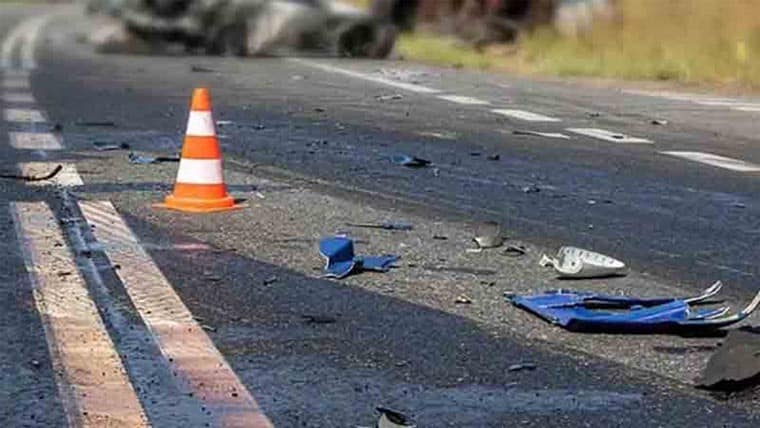
KARACHI: Recent statistical data released by rescue authorities in Karachi reveal a devastating toll on urban mobility, as various deadly traffic accidents throughout the year resulted in 603 fatalities across the metropolitan area.
According to official rescue breakdowns, the tragic death toll comprises 463 males, 73 females, and 67 children.
Furthermore, the city’s emergency infrastructure responded to an overwhelming number of injuries, with 7,467 individuals sustaining wounds in diverse road incidents, including 5,649 men, 1,322 women, and 496 minors.
A closer examination of the data underscores the disproportionate danger posed by heavy transport vehicles on bustling urban corridors.
Incidents involving heavy machinery accounted for 184 deaths this year alone. Specifically, collisions involving trailers claimed 84 lives, water tankers were responsible for 46 fatalities, buses caused 24 deaths, mini-trucks resulted in 18 fatalities, and dumpers crushed 12 individuals.
These grim figures highlight an escalating urban safety crisis, demanding urgent administrative intervention.
Unpacking the Root Causes Behind Deadly Traffic Accidents in Karachi
The staggering loss of life on Karachi’s roads points to a systemic breakdown in transport management, regulatory enforcement, and urban infrastructure.
One of the primary catalysts for fatal traffic accidents is the reckless and unregulated operation of heavy transport vehicles, including dumpers, water tankers, and heavy trailers, often driven by underage or untrained personnel operating without proper commercial licenses.
Compounding this issue is the blatant disregard for basic traffic laws, rampant overspeeding, and widespread signal violations, especially during late-night hours when enforcement presence dwindles significantly.
In addition to driver behavior, infrastructural decay plays a massive role in exacerbating road hazards.
Potholes, unlit thoroughfares, poorly designed intersections, and the encroachment of commercial vendors onto main roads force pedestrians and two-wheelers into dangerously compressed traffic spaces.
Furthermore, public transport fleets lack standardized safety mechanisms, while traffic police departments frequently struggle with resource constraints, corruption, and outdated monitoring tools.
ALSO READ: Fatal CPEC Highway Accident Causes Two Deaths
To stem this rising tide of casualties, municipal authorities must enforce strict speed governor mandates for heavy vehicles, ban heavy transport during peak hours, overhaul licensing protocols, and implement automated digital surveillance across all major arterial networks.