CHITRAL: The Kalash Valleys in Pakistan’s northwestern region have been placed on the UNESCO World Heritage Tentative List, according to the United Nations cultural body.
The designation was announced by the United Nations Educational, Scientific and Cultural Organization (UNESCO).
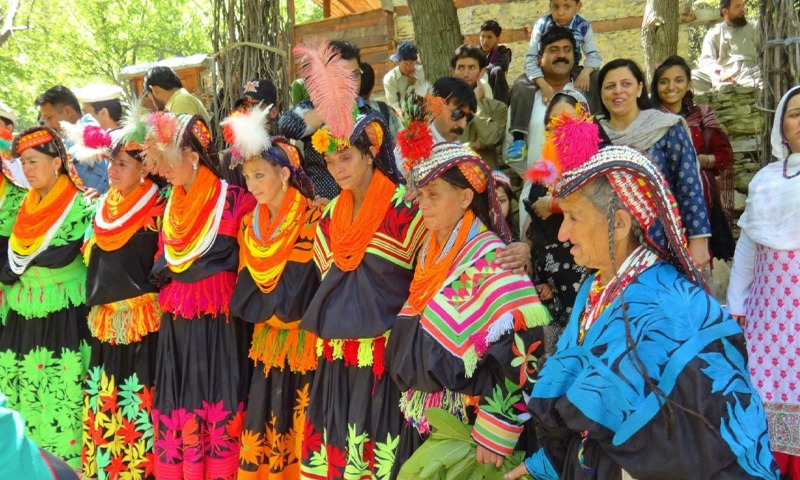
The Kalasha Cultural Landscape was described as an exceptionally well-preserved, continuously inhabited high-mountain cultural environment. It is located in the Bumburet, Rumbur, and Birir valleys in the Hindu Kush mountain range in Khyber Pakhtunkhwa.
The valleys were noted for their geographic isolation and rugged terrain, which have contributed to the preservation of the distinct cultural identity of the Kalasha community.
UNESCO said the landscape reflects a long-standing relationship between the Kalasha people, their belief systems, settlement patterns, and the natural environment.
It was stated that the area is not a static heritage site, but a living cultural system where daily life, rituals, agriculture, and governance continue under traditional practices.
Tangible and intangible heritage elements were described as closely interconnected, sustaining a resilient cultural ecosystem.
The development was welcomed by officials in Pakistan.
Faisal Karim Kundi described the inclusion as a proud moment and said it marked recognition of Pakistan’s cultural heritage at the global level.
Proud moment for #Pakistan 🇵🇰
The Kalash Valleys have been inscribed on UNESCO’s World Heritage Tentative List, a major milestone in recognizing our rich cultural heritage on the global stage. #KhyberPakhtunkhwa is home to some of the world’s most breathtaking landscapes and…
— Faisal Karim Kundi (@fkkundi) April 28, 2026
He said the province is home to unique cultural traditions and landscapes, and added that the recognition was long overdue.
Abdul Samad also described the listing as a significant achievement.
He said the recognition reflected the region’s cultural legacy and was the result of coordinated efforts by provincial authorities, federal departments, and UNESCO support.