Global oil markets surged sharply after fresh attacks on energy infrastructure across the Middle East, raising fears of significant supply disruptions. Analysts warned prices could climb further if the conflict escalates.
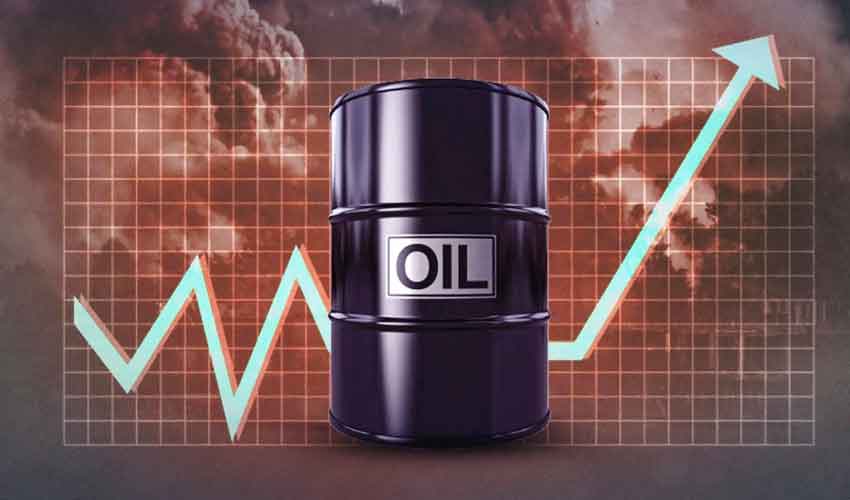
On Thursday, Brent crude jumped more than 5%, crossing $113 per barrel and later reaching around $119, its highest level in over a week. US West Texas Intermediate (WTI) crude rose about 1.1% to $97.36–$97.43 per barrel.
Earlier in the session, Brent had surged more than $7, a 6.5% increase, while WTI briefly climbed above $100 before settling slightly lower. Brent had gained 3.8% on Wednesday, while WTI remained nearly flat.
Middle East Attacks Fuel Supply Concerns
The spike followed Iran’s missile strikes on energy facilities, including Qatar’s Ras Laffan LNG hub, which sustained “extensive damage,” according to QatarEnergy.
Saudi Arabia reported intercepting four ballistic missiles aimed at Riyadh and thwarting a drone attack on a gas facility. Saudi Aramco’s SAMREF refinery in Yanbu and Kuwait’s Mina al-Ahmadi refinery were also targeted, though only limited damage occurred.
Iran Retaliates After South Pars Strike
The escalation came after Israel attacked Iran’s South Pars gas field, part of the world’s largest shared natural gas reserve with Qatar.
Iran responded with evacuation warnings and strikes on oil and gas facilities in Saudi Arabia, the UAE, and Qatar. Analysts estimate Middle East oil output has dropped by 7–10 million barrels per day, raising the risk of global shortages. Continued disruptions could push Brent prices toward $150–$200 per barrel.
Market and Policy Reactions
The US Federal Reserve held interest rates steady but warned of rising inflation from higher energy costs.
US President Donald Trump stated Israel carried out the South Pars strike independently, without US or Qatari involvement. He cautioned that further escalation could provoke a response if Iran targets Qatar again.
Reports indicate the US may deploy additional troops to the region, adding to market uncertainty.
With attacks on energy infrastructure ongoing and no signs of de-escalation, oil prices are expected to remain volatile. Experts said sustained supply chain and shipping disruptions could keep crude prices elevated in the coming weeks.