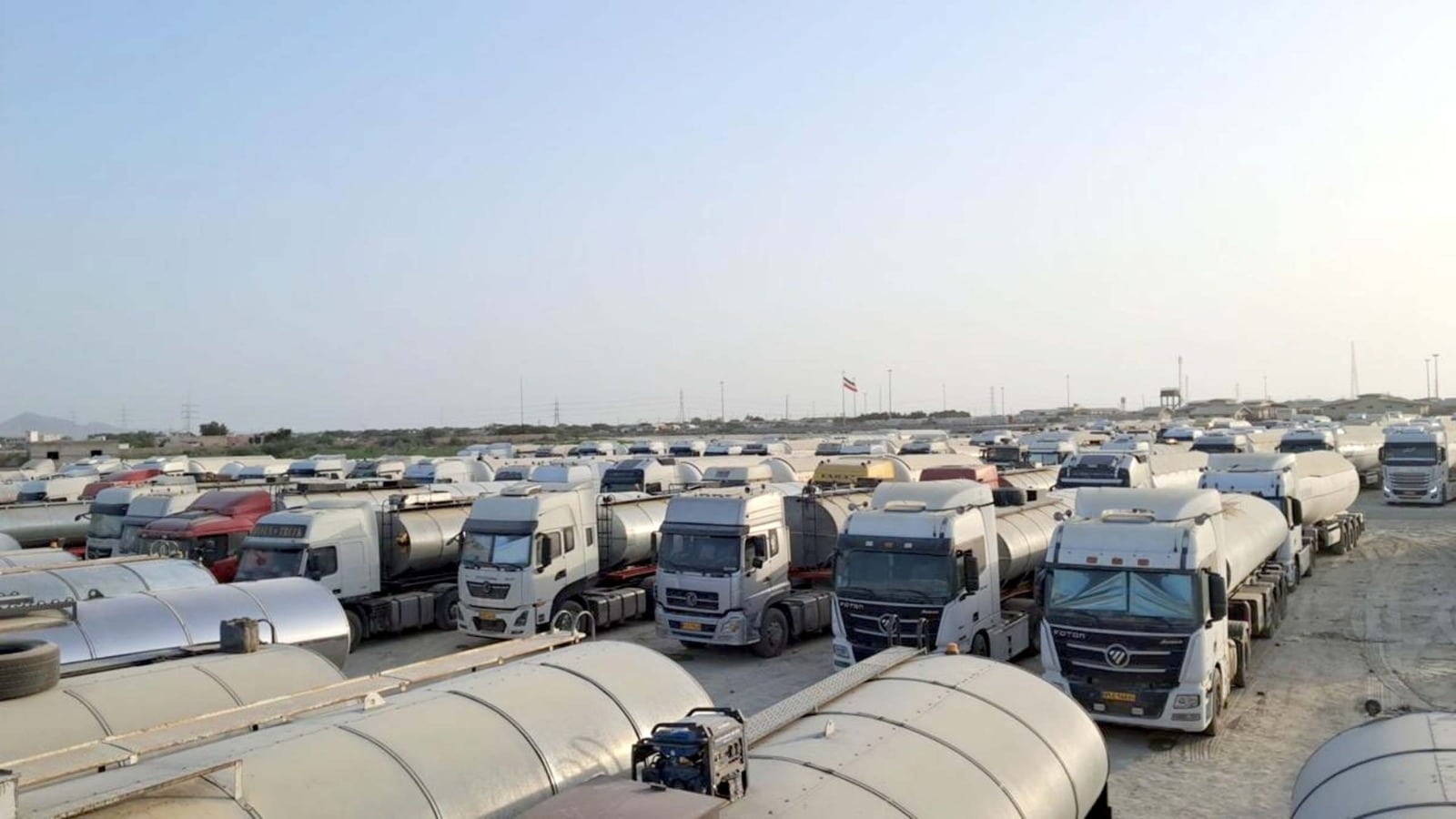
GWADAR: The Gwadar Chamber of Commerce and Industry (GCCI) has leveled serious allegations of incompetence and collusion against Pakistan Customs, warning that border trade is under severe threat.
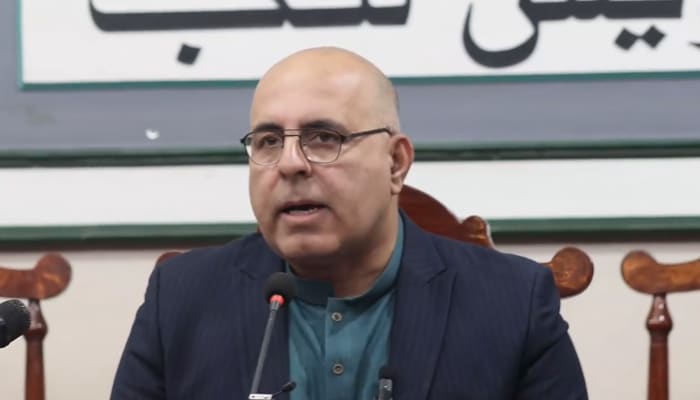
GCCI President Jaiand Hoot stated that Liquefied Petroleum Gas (LPG) imports through the Gabd-Ramdhan border crossing have ground to a complete halt, sparking fears of a massive LPG shortage and skyrocketing prices across Pakistan, including Karachi.
With the Strait of Hormuz facing closures, the Gabd-Ramdhan border had become the primary artery for the country’s LPG imports, especially since trade via the Taftan border was already suspended due to the security situation in Balochistan.
According to Hoot, Iranian cargo vehicles are being denied entry into Pakistan and turned back from the National Logistics Cell (NLC) premises.
He criticized Customs officials for creating unjustified hurdles that have paralyzed legal trade and threatened the livelihoods of hundreds of local workers.
Warning that obstructing legal commerce will inevitably fuel smuggling and cause massive revenue losses to the Federal Board of Revenue (FBR), Hoot urged the government to intervene immediately and restore Iranian vehicle movement, failing which the business community will launch widespread protests.
Pak-Iran border trade serves as the economic lifeline for Balochistan, a region characterized by vast distances and limited industrialization.
Due to its geographical proximity to Iran, a significant portion of the local population relies directly or indirectly on cross-border commerce, informal trading, and the transportation sector for employment.
Informal and formal trade of commodities like LPG, petroleum, and food products keeps local markets functioning and sustains thousands of households.
However, frequent border closures, regulatory bottlenecks, and security challenges heavily disrupt this fragile ecosystem.
When official trade routes like Taftan or Gabd-Ramdhan face suspensions, it triggers immediate job losses for local laborers, drivers, and traders, deepening economic distress in an already marginalized province.
Furthermore, suppressing legal trade channels inadvertently incentivizes smuggling, depriving the national exchequer of vital revenue while undermining formalized commerce and long-term economic stability in Balochistan.