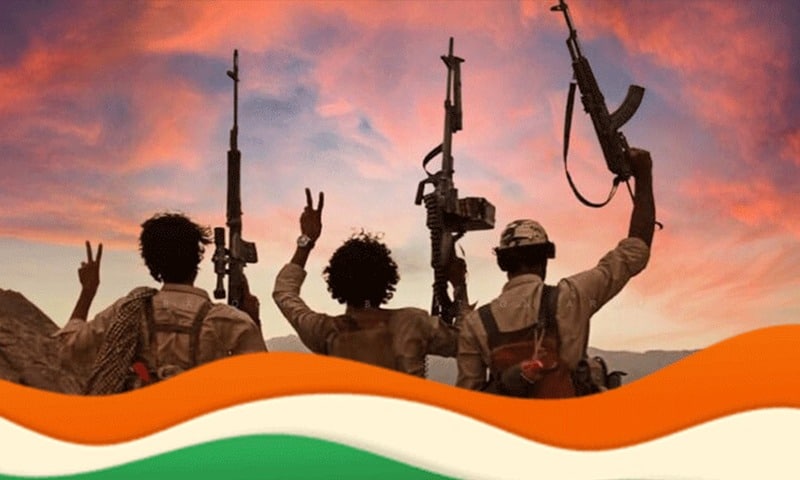
QUETTA: Revelations about terrorist groups in Balochistan allegedly using social media and encrypted online platforms to radicalise youth, including young women, have once again highlighted the growing threat of digital recruitment, officials and lawmakers say.
Lawmakers and security officials say the conflict is no longer limited to physical battlegrounds. They say it has expanded into smartphones and online networks, where young minds are being targeted.
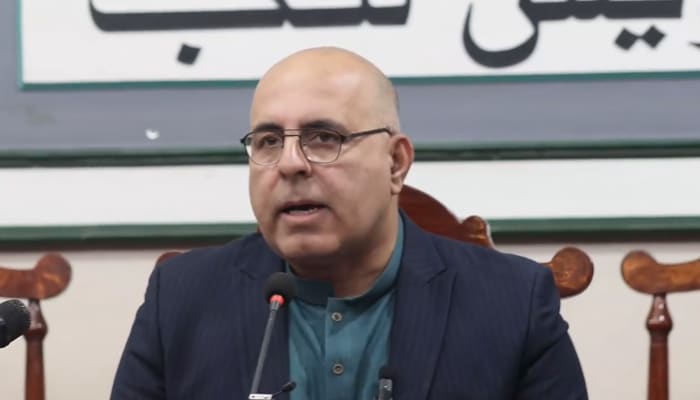
Member of the National Assembly Nawabzada Jamal Raisani said outlawed Baloch separatist groups are using modern technology and encrypted applications to lure young people. He said operatives use the “Zangi” app for communication, “Signal” for operational planning, and “Delta Chat” for covert recruitment.
He said militants are not only spreading propaganda but also shaping narratives on social media. They influence youth through online trends and targeted messaging.
“In today’s environment, the enemy is not only firing bullets,” he said. “It is also shaping minds through social media narratives.”
These concerns come after the reported arrest of a minor girl in Karachi in connection with an alleged suicide attack plot. Police say she was influenced online by members of a banned group, including the Baloch Liberation Army (BLA), through platforms such as Facebook and Instagram.
Sindh Interior Minister Zia-ul-Hassan said the girl was stopped during a routine check while traveling to Karachi. He said preliminary questioning revealed links with militant elements. Authorities later classified her as a victim of manipulation and placed her under state protection.
Security officials say militant groups have increasingly attempted to use women in recent years. In 2022, a female suicide bomber killed three Chinese teachers near the University of Karachi. In 2024, security forces reportedly foiled an attack involving a suspected female bomber, Adila Baloch, in Turbat.
In her recorded statement, Adila Baloch described how she was allegedly misled through ideological grooming. She said she was kept in remote hideouts and subjected to psychological pressure. She said she was convinced that suicide attacks were honorable acts.
“Baloch women do not go willingly,” she said. “They are blackmailed, deceived, and emotionally trapped.”
Nawabzada Jamal Raisani said some social and political platforms are also being used to reach young audiences. He claimed banned groups have made the use of women part of their operational strategy and are using multiple channels for recruitment.
He urged authorities to focus on education, development, and positive engagement for youth in Balochistan.
“We do not want young people to go towards the mountains,” he said. “We want them to build their future through education and opportunity.”
Experts say online extremism and digital recruitment have become a serious challenge in the age of widespread social media use. They say coordinated efforts are needed from families, educational institutions, civil society, and the state to counter it.