
SHIKARPUR: A tragic case of honor killing shook Shikarpur as a father allegedly shot and killed his 18-year-old daughter and a 23-year-old youth in village Mehmood Bagh.
Local police identified the victims as Bashira and Altaf Ahmed, stating that the suspect, Abdullah, opened fire on them in the name of so-called family honor before authorities swiftly intervened and placed him under arrest.
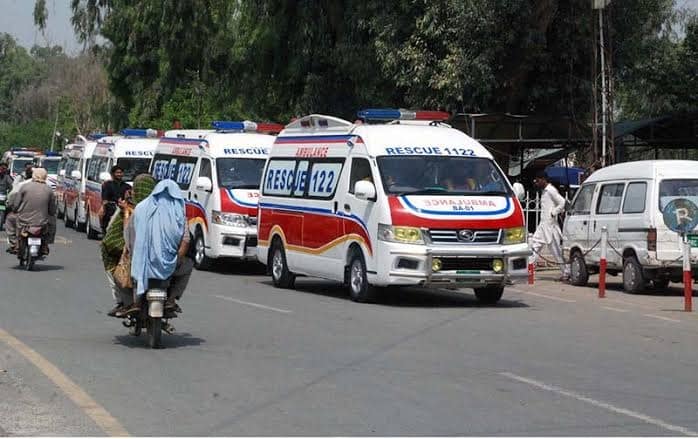
The bodies were immediately transferred to a nearby hospital for medico-legal formalities, while law enforcement agencies launched a comprehensive investigation into the incident.
This brutal double murder highlights a deeply alarming local trend, bringing the total number of women killed in such ruthless honor killing incidents within Shikarpur district to four over the span of just one week.
The persistent plague of honor killing across various regions of Pakistan reflects a profound societal crisis rooted in archaic patriarchal mindsets, feudal mentalities, and deep-seated gender prejudice.
Despite repeated legislative reforms and the introduction of stricter penal laws aimed at closing legal loopholes that historically allowed perpetrators to evade justice through family pardons, these barbaric acts continue with alarming frequency.
Vulnerable members of society, particularly women, remain exposed to extreme violence under the guise of safeguarding family reputation, often exacerbated by a lack of rigorous local enforcement and delayed judicial trials.
Furthermore, human rights organizations and civil society groups have repeatedly stressed that local tribal councils or jirgas often tacitly encourage or pressure families into settling such heinous crimes outside formal courts.
Addressing these deep-rooted criminal patterns requires active police intervention alongside specialized legal aid centers in rural districts to protect vulnerable individuals facing imminent threats.
Community leaders and religious scholars must also step forward to explicitly condemn these un-Islamic practices, actively dismantling the toxic cultural narratives that fuel honor killing in Pakistan.
Additionally, establishing safe houses and emergency helplines for at-risk women in rural Sindh can provide a crucial lifeline before domestic disputes escalate into irreversible tragedies.
Local law enforcement agencies must remain completely non-compliant with traditional pressures, ensuring that every single perpetrator of honor killing faces swift and transparent prosecution.
Educational curricula in schools must also evolve to foster gender equality and respect for human rights from an early age, helping to reshape community attitudes toward women.
Ultimately, true social progress and justice will remain elusive in these regions until the state eradicates the impunity historically enjoyed by perpetrators of honor killing.
ALSO READ: Husband Guns Down Wife in ‘Honour Killing’ Near Murad Jamali
Effectively eradicating this systemic form of honor killing demands a multi-pronged approach that transcends mere police action, requiring aggressive community sensitization campaigns, women’s empowerment initiatives, and an unyielding state commitment to prosecute offenders to the absolute fullest extent of the law.