ISLAMABAD: Pakistan stressed the urgent need for a lasting solution to regional tensions and highlighted diplomacy as the only effective path to peace, the Foreign Office spokesperson said during a weekly briefing.
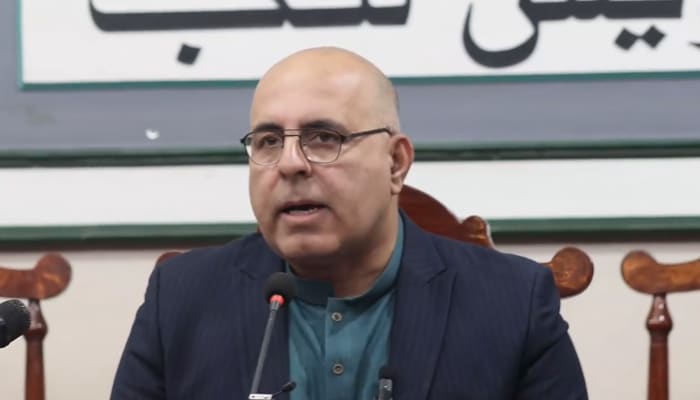
Spokesperson Tahir Hasan Andrabi said recent consultations among four countries reviewed ways to end the conflict quickly and permanently. He said that the conflict threatens lives and disrupts economic activities across the region and the world.
Andrabi emphasized the importance of Muslim unity during these challenging times. Pakistan’s Deputy Prime Minister and Foreign Minister Senator Ishaq Dar briefed visiting delegations on potential U.S.-Iran talks, with Islamabad considered as a possible venue. The plan received full support from all participants.
The spokesperson said foreign ministers agreed to joint efforts to reduce tensions, prevent military conflict, and create conditions for negotiations. Diplomacy, they concluded, remains the only path to resolving disputes.
All countries reaffirmed respect for the UN Charter, sovereignty, and regional integrity. They also discussed ways to strengthen cooperation among the four neighboring states.
Pakistan-China Consultations: Five-Point Peace Plan
Andrabi said Senator Dar’s recent visit to China marked a key diplomatic advance. At the invitation of Chinese Foreign Minister Wang Yi, Pakistan presented a five-point plan for regional peace. Discussions covered bilateral, regional, and global issues, including Afghanistan.
The plan calls for an immediate ceasefire, measures to prevent escalation, and unhindered delivery of humanitarian aid. It also emphasizes early peace talks, respect for sovereignty, diplomacy as the primary resolution tool, and protection of civilians and non-military targets. The plan reaffirms adherence to international law and the UN Charter.
Strait of Hormuz: Shipping Security Focus
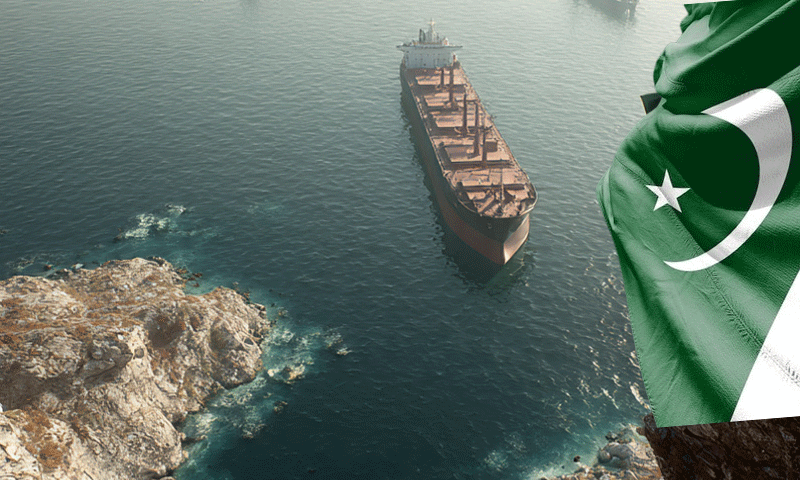
The five-point plan highlights safe passage in the Strait of Hormuz. It calls for protection of ships, crews, and commercial activity. The aim is to restore normal maritime operations swiftly.
Prime Minister Muhammad Shehbaz Sharif held multiple calls with global leaders to reinforce diplomatic efforts. On March 27, Kuwait’s Crown Prince praised Pakistan’s mediation and expressed support for its role in potential U.S.-Iran talks. The next day, the Prime Minister briefed Iranian President Dr. Masoud Pezeshkian on Pakistan’s peace initiatives.
Andrabi said Pakistan continues active diplomacy to ensure regional peace and stability. The efforts have won global recognition and support.
Global Engagement and Support
During the week, Pakistan held calls with officials from Turkey, Qatar, Indonesia, the UN, and Iran. The engagements focused on reducing regional tensions and promoting negotiations. UN Secretary-General Antonio Guterres assured full support for Pakistan’s diplomatic efforts.
Safe Passage for Pakistani Ships
The spokesperson reported that Iran allowed 20 additional Pakistani-flagged ships to transit the Strait of Hormuz. Two vessels per day can now pass safely. Pakistan described the move as positive, promoting confidence and regional stability.
Joint Statement on Jerusalem
On Tuesday, Pakistan joined Egypt, Jordan, UAE, Indonesia, Turkey, Saudi Arabia, and Qatar in condemning Israeli restrictions on Muslim and Christian worship in Jerusalem. The countries urged Israel to respect the city’s legal and historical status and restore access to all worshippers.
The statement called on the international community to take a firm stand against Israeli measures to preserve religious freedom and maintain regional peace.