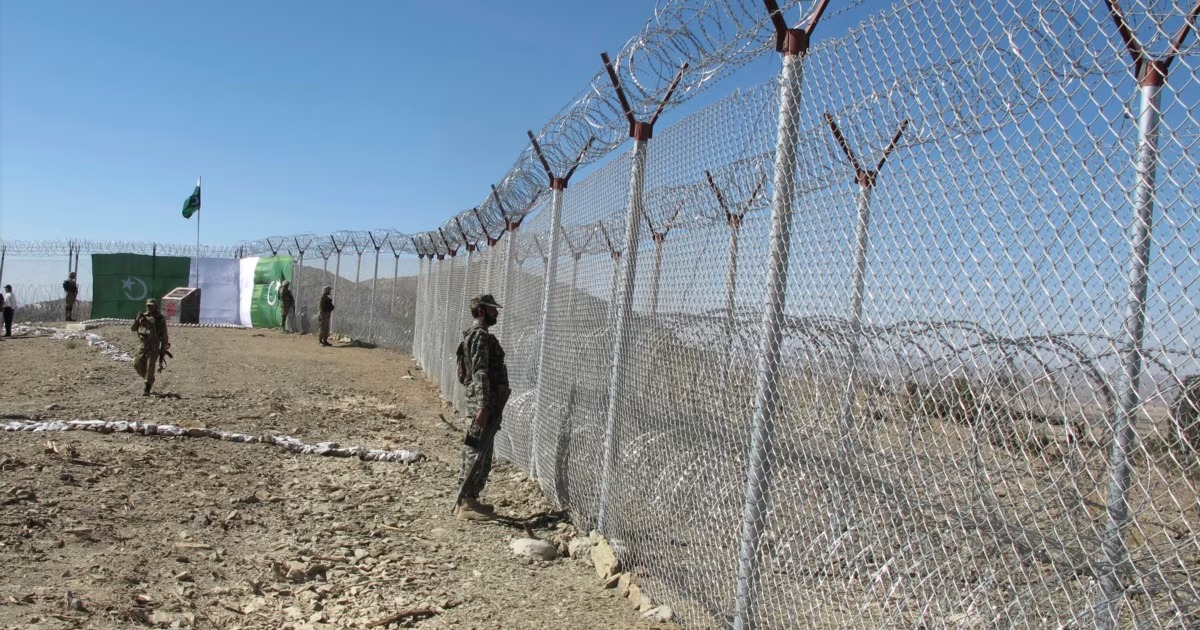
ISLAMABAD: Security sources have revealed that cross-border infiltration and Afghan soil utilization for terrorism remains a critical security challenge, with approximately 70 percent of terrorists infiltrating Pakistan originating from Afghanistan.
Despite clear and undeniable evidence, the Afghan Taliban regime continues to deny the active patronage and shelter provided to these terrorist groups, enabling them to persistently launch attacks inside Pakistan.
According to security records, the identities, names, addresses, and family details of 260 Afghan terrorists killed in operations have been fully verified, though this figure excludes unverified or active combatants.
Reports indicate that funeral ceremonies for these deceased fighters took place in their native Afghan towns, with regional Taliban officials frequently participating.
Furthermore, investigations highlight that abandoned American and NATO military equipment—including M-4 rifles, Remington sniper rifles, and night-vision devices—has been handed over to Fitna-al-Khawarij and related militant factions.
Backed by hostile external entities such as India, these networks operate from sanctuaries established in Kunar, Nangarhar, Khost, and Paktika, areas where Afghan Taliban personnel have also been implicated in training facilities.
With United Nations reports estimating the core strength of Fitna-al-Khawarij at 6,000 to 6,500 operatives, and cross-border terrorism resulting in 1,327 Pakistani casualties and 2,484 injuries in 2026 alone, Pakistan continues to demand immediate action to dismantle terrorist infrastructure and halt ongoing cross-border infiltration and Afghan soil utilization for terrorism.
Two Decades of Militant Attacks Operated from Afghanistan in Pakistan
Over the past two decades, Pakistan has faced a relentless wave of violence orchestrated and sustained from sanctuaries located across the western border.
Historically, the post-2001 era transformed the rugged borderlands into operational staging grounds for various extremist factions.
These groups utilized safe havens in Afghan provinces to coordinate high-profile assaults, suicide bombings, and coordinated strikes against security checkposts, educational institutions, and civilian centers within Pakistan.
Despite repeated diplomatic engagements, bilateral mechanisms, and international appeals, the permissive environment in neighboring territories allowed militant leaders to plan, finance, and execute campaigns of terror with impunity.
This sustained security threat underscores why addressing cross-border infiltration and Afghan soil utilization for terrorism remains vital for regional stability.