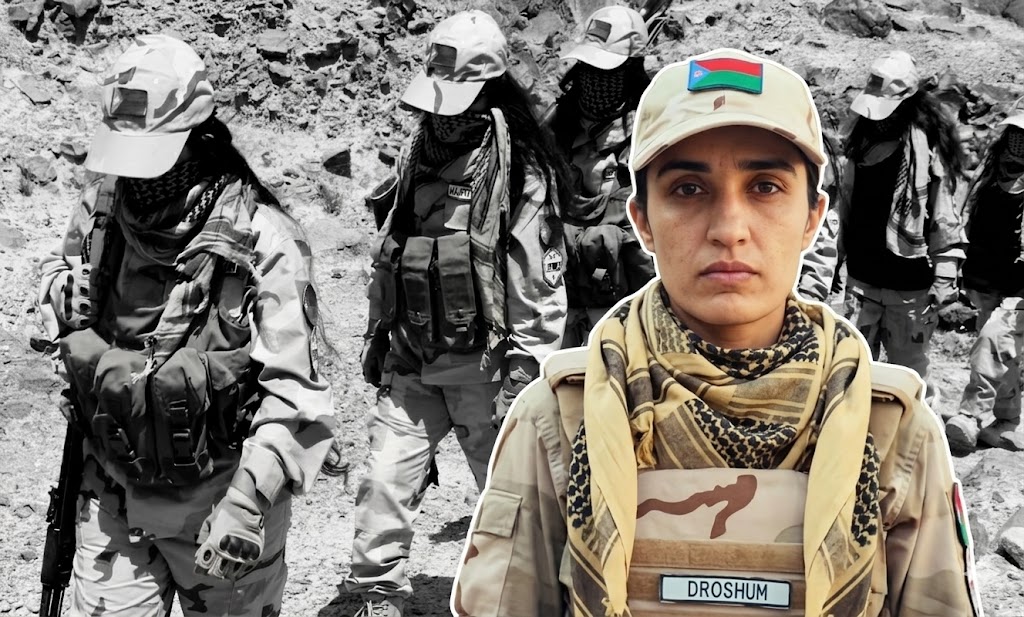
QUETTA: Security officials and analysts say alleged coordination among banned groups in Balochistan, including the Baloch Liberation Army (BLA), Tehrik-i-Taliban Pakistan (TTP) and al-Qaeda-linked elements, is emerging as a serious security concern.
They say these networks may be expanding operational cooperation. They are also accused of recruiting women and young people for extremist activity, including suicide attacks and logistical support roles.
Security sources and analysts say the alleged collaboration provides access to funding, weapons, training facilities and wider recruitment channels. They warn this increases risks for security forces, government installations and civilian populations.
Officials and experts say militant groups have increasingly exploited economic hardship, social vulnerabilities and psychological factors to attract recruits. They argue that young people and women are being targeted, radicalised and then used for operational tasks, including suicide missions and network expansion.
Case of a Young Woman in Khuzdar
Security agencies recently claimed they foiled a suspected suicide attack plan involving a 19-year-old woman, identified as Laiba alias Farzana, from Khuzdar. She was reportedly detained in March 2026.
Investigators say she joined a banned group in July 2025. Security sources say she was influenced through a network linked to a former TTP commander, Ibrahim alias Qazi Mama, before being transferred to the BLA network.
Officials claim she was being prepared for a suicide attack and was also being used to recruit financially vulnerable young women into the group. They say the case reflects a broader trend of women being used in expanding militant networks.
Rahima Bibi Case and Cross-Border Links
In another case, statements attributed to Rahima Bibi raised questions about links between different militant networks. According to her account, her husband assisted a female suicide bomber named Zarina Rafiq, linked to the Baloch Liberation Front (BLF).
Reports suggest the bomber was moved to Afghanistan prior to the attack, where she received military training.
Observers say the case highlights the evolving use of women in suicide operations, a tactic previously associated mainly with TTP and al-Qaeda-linked groups. They argue it indicates growing operational overlap among different militant organisations.
Security analysts say the operational capacity of the BLA is believed to have increased due in part to coordination with TTP and al-Qaeda-linked networks.
They say such linkages may provide access to weapons, explosives, training support and recruitment infrastructure. They also point to alleged facilitators operating through Afghanistan who help connect different groups and support cross-border movement and planning.
Ongoing Security Threat in Balochistan
A recent attack near Chaman Phatak in Quetta has again highlighted the continuing threat posed by militant networks in the province. The incident caused casualties and damaged nearby property.
Security observers say such incidents underline the ability of militant groups to maintain operational networks despite ongoing counterterrorism operations.
Focus on Recruitment Networks
Experts say the biggest challenge is no longer only preventing attacks but dismantling recruitment and radicalisation networks targeting youth and women.
They stress the importance of countering online radicalisation, improving awareness among young people, and providing economic and social protection for vulnerable groups.
They argue that counterterrorism strategies must combine security operations with social, educational and economic interventions.
Regional Security Concerns
Analysts say alleged cooperation among BLA, TTP and al-Qaeda-linked elements reflects a broader and more complex security trend in the region.
They warn that cases like Laiba alias Farzana and Rahima Bibi illustrate how cross-border linkages, local facilitators and extremist networks may interact to sustain militant activity.
Also Read: UN Report Validates Pakistan’s Claims on Afghan-Based Militant Threat
They say the evolving threat poses a long-term and multi-dimensional challenge for regional security, requiring coordinated responses at security, political and social levels.