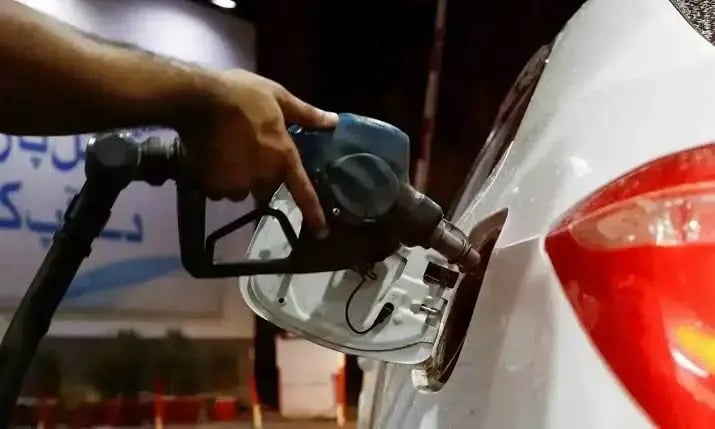
Lahore: Federal Minister for Petroleum Ali Pervaiz Malik has expressed serious concerns that petroleum prices in Pakistan could potentially soar up to Rs 1,000 per litre if a severe supply shortage occurs.
Addressing media representatives in Lahore, the minister clarified that while there is currently no immediate shortage of petrol in the country, any potential supply disruption could drive costs drastically higher due to prevailing international market pressures.
Highlighting the global economic landscape, Malik noted that fuel prices have skyrocketed in the US and Europe, with international oil markets witnessing an 80 percent surge.
In contrast, domestic adjustments in Pakistan have been restricted to a 50 percent increase. He praised Prime Minister Shehbaz Sharif for acting as a responsible leader by establishing a protective cushion over fuel rates.
Furthermore, the minister assured that the public will not face gas shortages during the upcoming winter season, emphasizing that the government is prepared to import gas worth 100 million dollars rather than the usual 3 million dollars if necessary.
Discussing political developments, Malik criticized Jamaat-e-Islami for attempting to score political points on public suffering and addressed broader challenges, confirming that domestic oil exploration at new wells has commenced with expected discoveries by October.
He also urged PTI leadership not to use other people’s children as political fuel, adding that unauthorized attempts to storm Islamabad will not be tolerated.
Analysis of Petroleum Prices in Pakistan Over the Past Six Months
Over the past six months, petroleum prices in Pakistan have experienced profound volatility, mirroring fluctuating global crude oil trends, currency adjustments, and strict fiscal measures.
Navigating through challenging international markets, the domestic energy sector has remained under constant strain.
Early in this biannual window, consumers faced intense economic pressures, marked by historic highs that deeply impacted transport costs, general inflation, and household budgets across the country.
In response to fluctuating international crude benchmarks and the imperative to meet macroeconomic targets, federal authorities implemented a series of weekly and fortnightly price reviews.
While global supply chains experienced intermittent disruptions, targeted government interventions and temporary relief packages later helped stabilize rates to provide some breathing room to the masses.
Maintaining a delicate balance between fiscal deficits and consumer affordability remains a formidable challenge for policymakers.
ALSO READ: PM’s Fuel Subsidy Scheme Faces First-Day Hurdles at Petrol Pumps
Ultimately, the trajectory of petroleum prices in Pakistan highlights the nation’s heavy reliance on imported energy, underscoring the vital need to accelerate domestic oil and gas exploration projects to shield the national economy from future international shocks.