ISLAMABAD: Pakistani Daughter Deaf and Unable to Speak, Sana Bahadar has found a powerful way to express herself through squash. Inside the glass walls of the court, the 20-year-old lets her racquet do the talking. Away from competition, she communicates through a combination of sign language and lip reading.
Pakistani Daughter Deaf and Unable to Speak Turns Squash Into a Voice
Deaf and unable to speak since birth, Sana grew up facing significant challenges in communication. Her two younger brothers were also born deaf and unable to speak. For years, Sana struggled to find a way to express herself and build confidence.
Squash changed that.
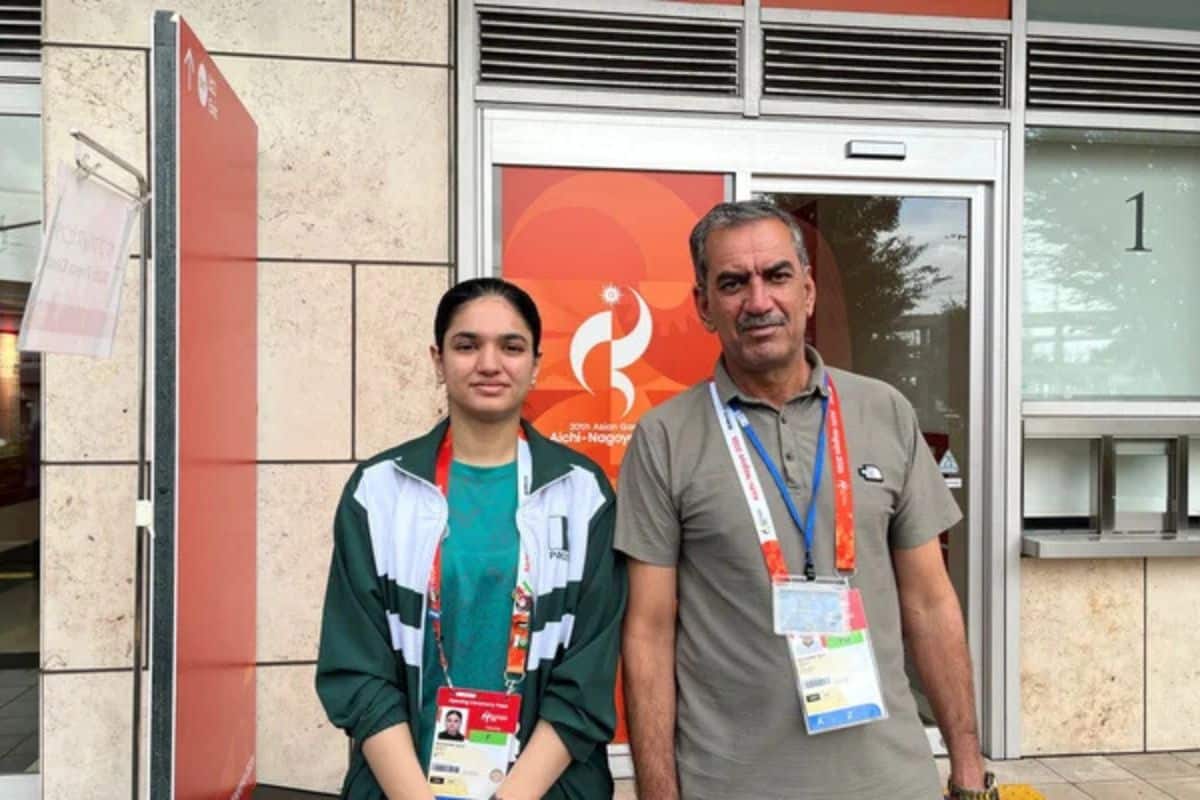
A round-of-32 defeat to Iran’s Najmeh Boushehrizadeh brought Sana’s Asian Games debut to an end, but simply representing Pakistan at the Aichi-Nagoya Games marked a remarkable milestone in her journey.
“She’s a role model not just for kids who can’t hear or speak,” her father, Sher Bahadar, told Reuters as Sana sat beside him at the Kinjo Futo Arena, scrolling through her phone.
“In our family circles, she’s seen as an example of where talent and commitment can take you.”
A Father’s Sacrifice for His Daughter
Sana’s journey to the international stage has come with considerable financial sacrifices from her family.
Her father, who runs a printing business in Peshawar, sold two of his printing machines this year to help finance Sana’s overseas trips. The demands of accompanying her to international competitions have also contributed to a 60% decline in his business.
Despite the financial strain, Bahadar says he has no regrets.
“I have no regrets, though. Because of her, I get to travel and meet so many great athletes. We are absolutely proud of her,” he said.
From a Special School to the Squash Court
Sana was only 10 when she began playing squash. Around the same time, she was introduced to legendary Pakistani squash player Qamar Zaman, who took her under his wing.
Her father believed sport could offer Sana opportunities beyond the limited vocational options often available to students at special schools.
“You know how it is in those special schools. They herd students into stitching, weaving and carpentry classes. I said, why not IT or sports?” Bahadar said.
That decision opened a new path for his daughter.
Sana eventually rose through the ranks to become Pakistan’s national champion. But her growing success also brought greater financial demands, particularly as she began requiring international training and competition experience.
Funding Remains a Major Challenge
A Karachi-based foundation provides around four million Pakistani rupees ($14,452) annually to support Sana’s career. However, her father says considerably more funding is needed for overseas training camps and competitions, particularly in countries such as China and Malaysia.
“There’s a limit to government help and somehow, private sponsorship has not really been forthcoming,” Bahadar said.
“Maybe because she can’t speak, they can’t use her in TV commercials, or some other reasons.”
Despite those challenges, the family remains determined to support Sana’s ambitions.
Squash Gives Sana Confidence and an Identity
For Bahadar, his daughter’s transformation goes far beyond sporting achievements.
He remembers a time when Sana and her mother would often cry as they struggled with the difficulties surrounding her disability and communication.
Also Read: Father Arrested for Honor Killing of Daughter and Youth in Shikarpur
“It has totally transformed not just her but the entire family. She and her mother used to cry a lot. She had an identity crisis,” he said.
“Now look at her, full of confidence and going places we never thought she will.”
Sana smiled warmly beside her father as he spoke.
Chasing the World Top 100
Sana’s progress on the international squash circuit has already taken her to new heights. Following her victory at the Bendigo Open in Australia, she was ranked 179th in the world and now has her sights set on breaking into the top 100.
Her father hopes she can eventually reunite with a former coach who has moved to China, allowing her to train there and continue developing her game.
“She can do way better, and we are hoping she can reunite with her previous coach, who has moved to China, and train there. But all depends on whether we can fund that.”
For Sana, the squash court has become far more than a place to compete. It has given her confidence, recognition and a means of communicating without words — allowing her racquet to speak for her on the world stage.