Quetta: Through successful negotiations and constructive dialogue, the Balochistan government has secured the postponement of the planned long march and sit-in toward Islamabad by Kisan Ittehad.
A high-level government delegation, led by Provincial Minister Ali Madad Jattak and accompanied by Member of the Provincial Assembly Mir Jehanzeb Mengal, held a productive meeting with Kisan Ittehad President Khalid Bhatti.
During the session, the official delegation assured the leadership of earnest government commitment toward addressing the legitimate grievances and demands of the farming community.
Accepting the formal request and assurance extended by the provincial administration, Kisan Ittehad President Khalid Bhatti officially announced the deferral of the long march.
This decision was finalized keeping in view the broader national security environment and prevailing law and order conditions.
The government delegation emphasized that the Balochistan administration remains fully proactive in executing serious measures to resolve challenges faced by Kisan Ittehad and local growers.
Comprehensive Overview of Systemic Exploitation and Financial Pressures Faced by Farmers in Pakistan
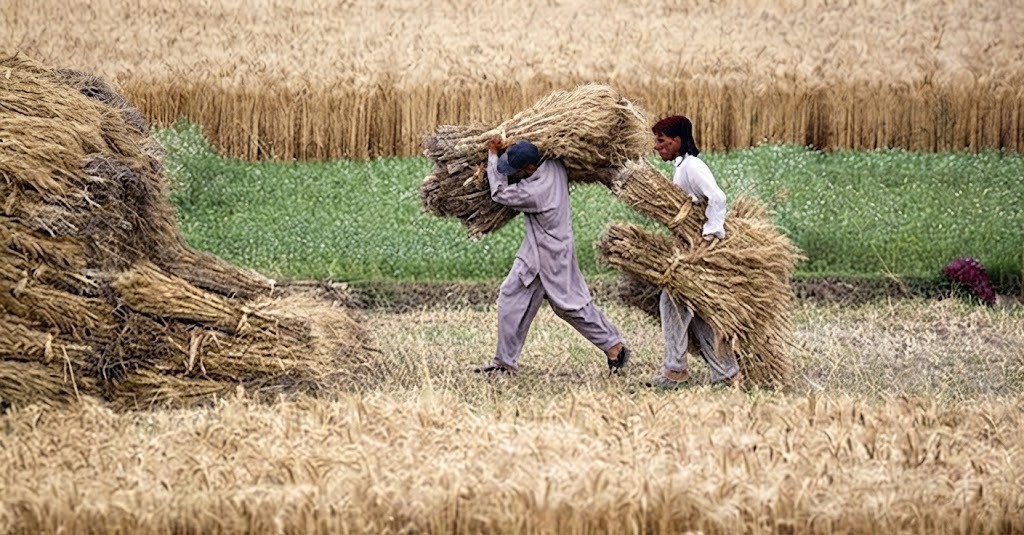
The agricultural backbone of Pakistan faces persistent structural hurdles, wherein producers frequently encounter severe systemic exploitation through unequal market access, exploitative middleman interventions, and predatory pricing mechanisms.
Growers struggle against disproportionately high input costs, including skyrocketing prices for certified seeds, chemical fertilizers, pesticides, and diesel, which routinely compress profit margins and push vulnerable households into generational cycles of debt.
Furthermore, irregular power distribution and exorbitant electricity tariffs for agricultural tube-wells cripple irrigation capabilities, leaving small-scale landowners entirely at the mercy of erratic weather patterns and expensive alternative fuel sources.
Institutional bottlenecks, delayed procurement cycles, and opaque support-price policies often force desperate producers to sell their yields to intermediaries at distress rates far below production costs.
This multi-layered economic marginalization is compounded by inadequate storage facilities, limited cold-chain infrastructure, and a lack of direct access to institutional credit, forcing rural laborers to rely on informal, high-interest loans from local moneylenders.
ALSO READ: Loralai Severe Hailstorm Destroys Standing Crops, Farmers Seek Emergency Relief
Comprehensive agrarian reforms, transparent market regulations, subsidized input frameworks, and robust financial safety nets are urgently required to eliminate these exploitative practices and safeguard the economic viability of producers across Pakistan.