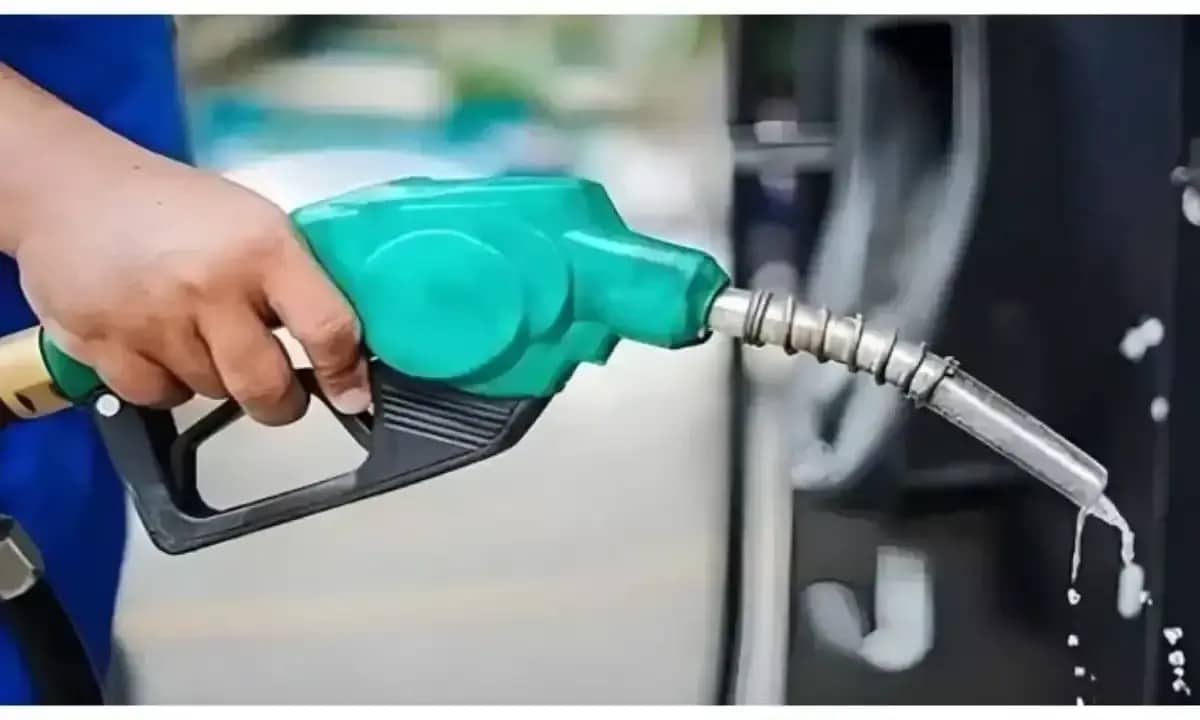
ISLAMABAD: The government has announced an upward revision in the cost of petrol while introducing a marginal reduction for diesel.
According to details from official sources, the price of petrol has been increased by PKR 4.61, bringing its new rate to PKR 393.75 per liter.
Conversely, the price of high-speed diesel has been decreased by PKR 1.96, setting the revised rate at PKR 422.08 per liter.
These updated rates officially take effect starting September 22, impacting daily commuters and public transport costs nationwide.
This adjustment highlights the ongoing fluctuations in the domestic energy market, driven largely by shifting international oil trends and currency exchange adjustments that directly influence the cost dynamics of fuel prices in Pakistan.
Analysis of Fuel Prices in Pakistan Over the Past Six Months
The domestic energy sector has experienced significant volatility over the past half-year, reflecting broader macroeconomic shifts and global petroleum market dynamics.
An evaluation of fuel prices in Pakistan reveals a continuous tug-of-war between international crude oil benchmarks, supply chain adjustments, and local currency valuations.
During the initial months of this six-month window, consumers faced mounting inflationary pressures as global supply disruptions and geopolitical tensions kept petroleum costs elevated.
These external pressures directly translated into successive fortnightly revisions, testing the resilience of local transport sectors, industries, and household budgets alike.
As the months progressed, the government’s pricing strategy occasionally provided temporary relief through minor downward corrections on specific petroleum products, though these adjustments were frequently counterbalanced by subsequent hikes in petrol or diesel rates.
Such fluctuations underscore the delicate balancing act managed by regulatory authorities, who must align domestic retail rates with international market realities while striving to cushion the general public from severe price shocks.
Furthermore, taxation adjustments, petroleum levies, and general sales tax modifications implemented during bi-monthly reviews have played a pivotal role in shaping the trajectory of fuel prices in Pakistan.
ALSO READ: Petrol Price Could Reach Thousand Rupee per Liter if Fuel Shortage Emerges
Ultimately, this six-month trend illustrates a persistent vulnerability to global market shocks, emphasizing the critical need for sustainable energy planning and long-term economic stability measures to safeguard consumers against recurrent price spikes.