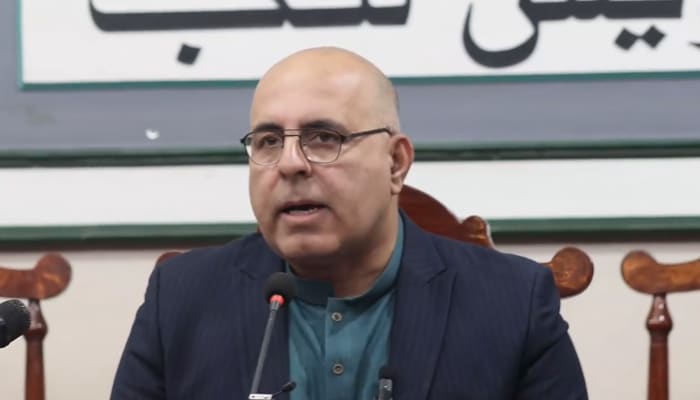
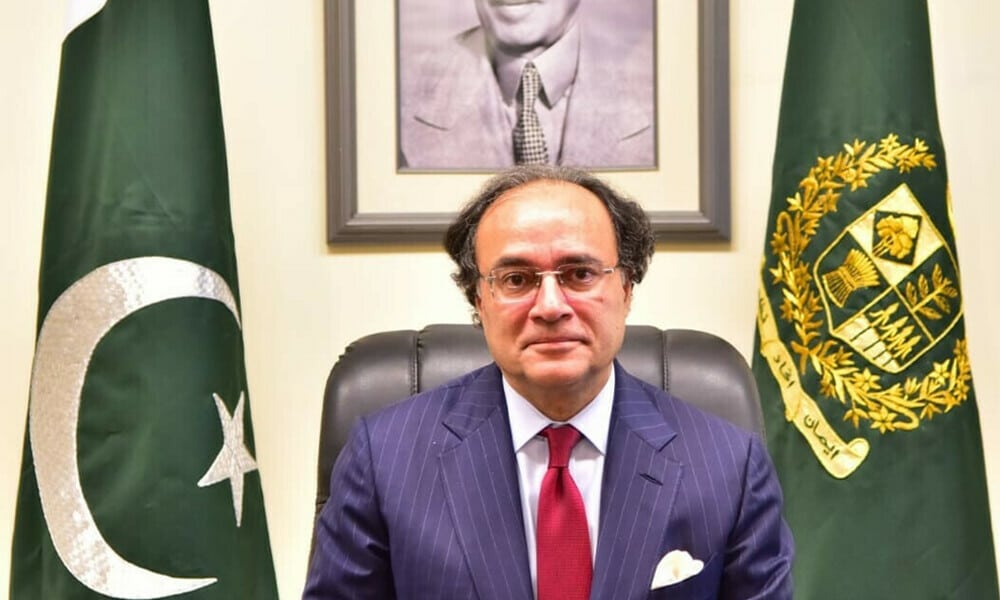
ISLAMABAD:Finance Minister Muhammad Aurangzeb has warned that planned marches, strikes and sit-ins could have a significant impact on Pakistan’s economy, saying Protests Could Cause Rs120 Billion Loss to the national exchequer every day if economic activity is disrupted.
Aurangzeb described the planned protests as “self-inflicted pain” and urged political groups to resolve their differences through negotiations and consensus. His remarks came as opposition parties, including Pakistan Tehreek-e-Insaf (PTI) and Jamaat-e-Islami (JI), announced separate protest campaigns over political and economic issues.
The PTI has announced a protest movement scheduled for September 27, with demands including the release of its founder Imran Khan and the protection of constitutional supremacy and the rule of law. Jamaat-e-Islami, meanwhile, has announced a march on Islamabad over the petroleum development levy and rising fuel prices.
Protests Could Cause Rs120 Billion Loss to Pakistan’s Economy
Aurangzeb said disruptions to economic activity could undermine Pakistan’s progress toward economic development after efforts to achieve greater stability. He estimated that the services sector could face losses of around Rs86 billion per day, while the industrial sector could suffer losses of approximately Rs25 billion.
The minister further estimated revenue losses of around Rs17 billion per day, putting the potential overall impact at approximately Rs120 billion.
He warned that the immediate effects of such disruptions would be felt by ordinary citizens, daily-wage workers, small shopkeepers and businesses that depend on regular economic activity.
Impact on Exports and IT Sector
Aurangzeb said Pakistan’s average daily goods exports were around $90 million and warned that strikes could reduce daily exports by as much as 50% in a worst-case scenario.
He also highlighted the importance of the IT sector, saying IT exports and services were expected to increase from $4.6 billion to $5.5 billion. He cautioned that disruptions to internet connectivity could severely affect the sector, which had previously experienced significant losses during major disruptions.
Pakistan’s Economic Indicators
The finance minister said Pakistan’s foreign exchange reserves had reached $21.4 billion, while the fiscal deficit had declined and the current account was in surplus. He said remittances were increasing and exports were showing positive momentum.
Aurangzeb said GDP growth stood at 3.7% during the last financial year and was expected to exceed 4% in the current fiscal year. He also pointed to signs of recovery in large-scale manufacturing, increased corporate profits and higher investment activity.
Also Read: Pakistan Lodges Strong Protest Against Indian Naval Ship Violation in Exclusive Economic Zone
The government has set a goods export target of $32.9 billion for the current year and expects exports to rise by around 6%.
Aurangzeb stressed that economic stability was important for attracting investment and called for political and economic disputes to be resolved through dialogue. He said Pakistan’s progress toward growth, exports and investment should not be disrupted.