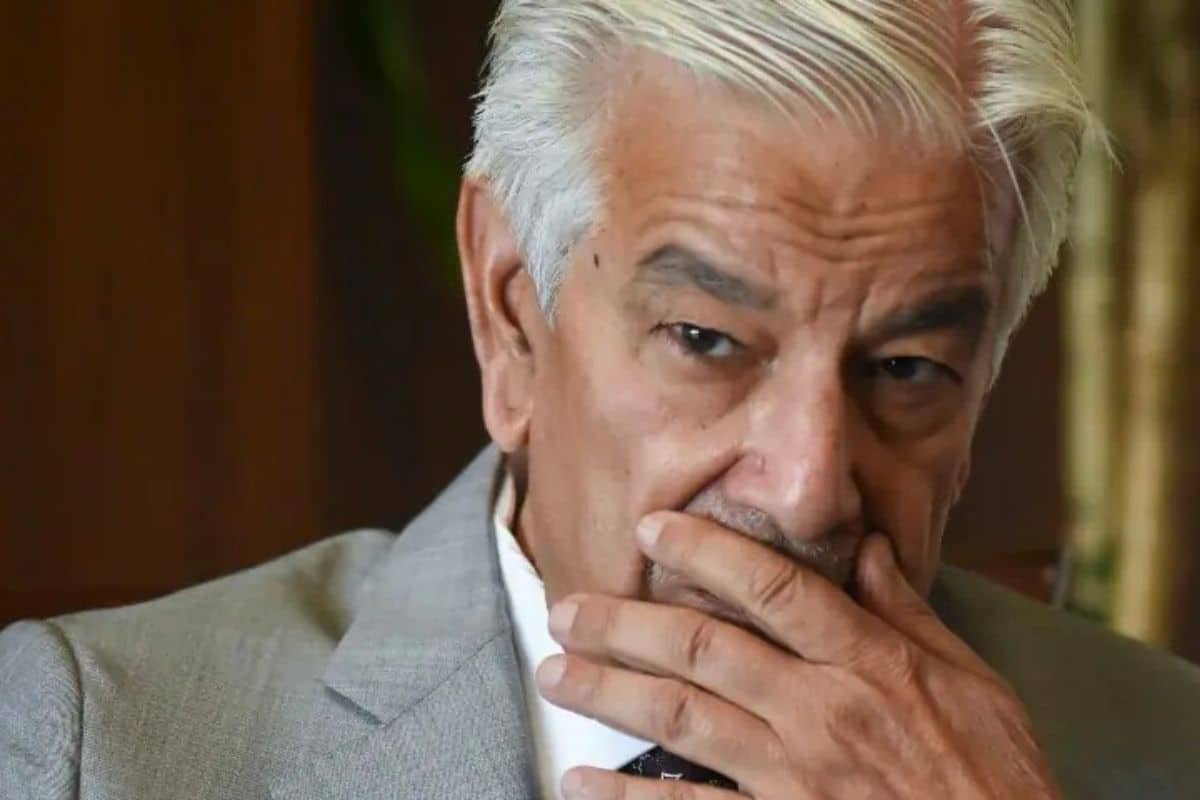
ISLAMABAD: Defence Minister Khawaja Asif said Pakistan to stand by Saudi Arabia against Yemen’s Houthis “practically and diplomatically” if the regional conflict escalates, reaffirming Islamabad’s commitment to its longstanding ties with Riyadh and the obligations associated with the trilateral defence agreement involving Pakistan, Saudi Arabia and Turkiye.
Speaking during a television programme on Wednesday, Asif said Pakistan would respond if the situation deteriorated further and Saudi Arabia faced a serious security threat. His comments came after Saudi authorities accused Yemen’s Houthi rebels of targeting the area around Makkah, an allegation the Houthis rejected.
The reported incident has added another layer of tension to an already volatile regional security situation. The Houthis denied Saudi Arabia’s account, describing the allegation that a drone heading towards Makkah had been intercepted as false.
Pakistan to stand by Saudi Arabia against Yemen’s Houthis under defence pact
Discussing the trilateral agreement between Pakistan, Saudi Arabia and Turkiye, Asif said the pact carries obligations for its members in the event that the territorial integrity of one of the participating countries comes under threat.
He also emphasized the significance Pakistan attaches to protecting Islam’s holy sites in Makkah and Medina. According to the minister, safeguarding the holy places represents a religious responsibility and is not dependent solely on the activation of a formal agreement.
Asif said Pakistan would meet its commitments under the trilateral defence arrangement according to the terms agreed by the three countries. He declined to provide details when asked whether Pakistan had any direct military or political engagement with the Houthis, saying strategic matters of this nature could not be discussed publicly.
The minister also commented on the wider Middle East conflict and possible Iranian involvement. He said Iran was already dealing with another conflict and suggested that Tehran’s direct involvement on behalf of the Houthis could further widen the confrontation.
Pakistan-Turkiye-Saudi Arabia alliance described as defensive
Inter-Services Public Relations Director General Lieutenant General Ahmed Sharif Chaudhry separately described the trilateral defence agreement as a mechanism for collective deterrence rather than an arrangement with regional expansionist aims.
In an interview with Al Arabiya English, Chaudhry said the agreement formalized Pakistan’s longstanding defence relationship with Saudi Arabia and Turkiye. He stressed that the pact was defensive and focused on collective security.
Also Read: “Something Else” Behind PPP’s Province Stance? Khawaja Asif Signals Bigger Political Debate
The agreement, signed on August 7, states that an attack on one member would be treated as an attack on all three. Its first meeting was held in Istanbul on August 31, with Pakistan initially designated to lead the alliance’s secretariat for three years.
There has been discussion about potentially expanding the arrangement to other countries, but Pakistani officials have said the three founding members must first consolidate the new framework.
The latest statements from Islamabad come as fighting involving the Houthis continues to affect the wider Middle East, including maritime security in the Red Sea and surrounding strategic waterways. Any further escalation could place additional pressure on regional governments to balance military commitments, diplomatic engagement and efforts to prevent the conflict from spreading.