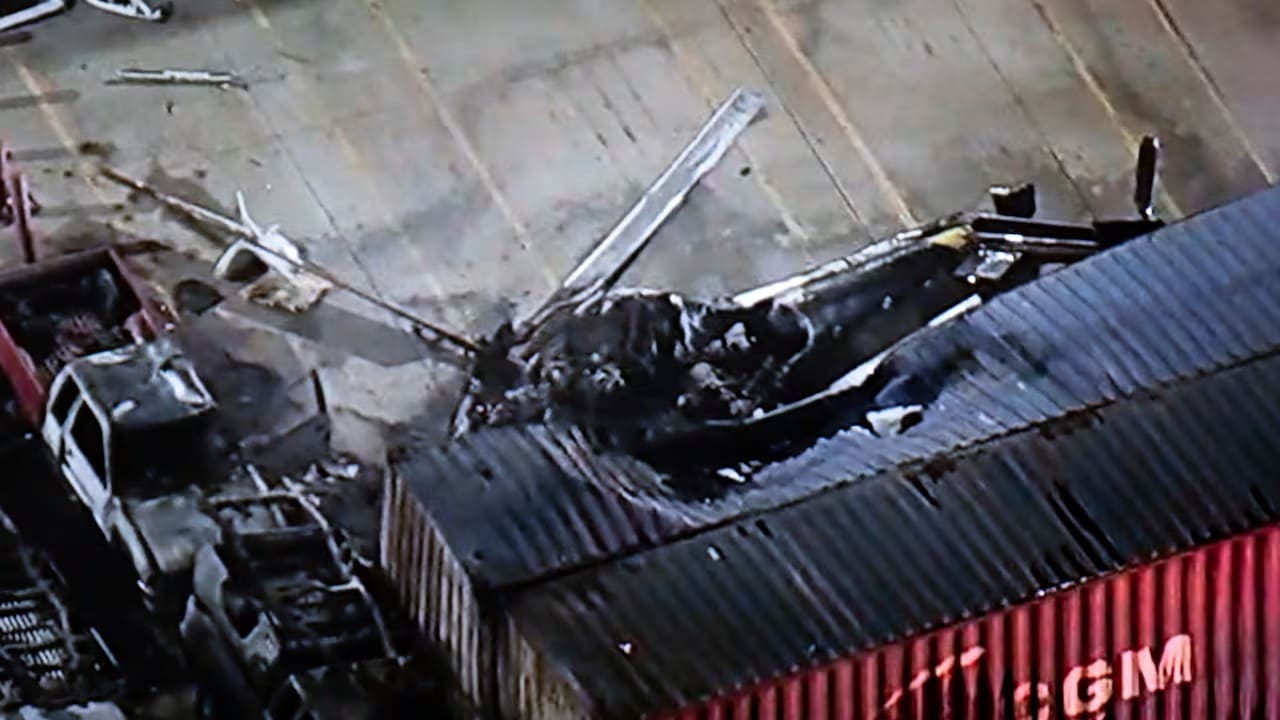
NEY YORK: The year 2026 has witnessed several heartbreaking real accidents, none more shocking than the sudden aviation disaster in Los Angeles where a news helicopter went down during live broadcast duties.
While providing crucial real-time aerial footage of a severe traffic collision involving a city bus and an SUV, the news crew found themselves at the center of an unexpected catastrophe.
According to local authorities and network confirmations, the aircraft experienced a sudden loss of control before plummeting near commercial buildings and bursting into flames.
This devastating real accidents event claimed the lives of three individuals, including the pilot, the onboard reporter-photographer, and a bystander on the ground, sending waves of profound grief across the journalism community.
Emergency responders, including dozens of firefighters, rushed to the scene to extinguish the intense blaze and secure the surrounding area.
As federal agencies like the National Transportation Safety Board (NTSB) and the Federal Aviation Administration (FAA) launch rigorous investigations to determine the exact mechanical or environmental triggers behind the failure, colleagues, local leaders, and citizens continue to mourn the fallen media professionals.
This horrific incident serves as a grim reminder of the immense dangers reporters and pilots face daily in the field of real accidents journalism, risking their safety to keep the public informed.
Understanding the Primary Causes of Aerial Accidents
Aerial accidents often stem from a complex combination of human error, mechanical failures, and adverse environmental conditions.
Pilot disorientation, miscommunication with air traffic control, and fatigue remain leading human-related factors during critical phases of flight like takeoff and landing.
Additionally, unexpected severe weather events—such as microbursts, heavy icing, and dense fog—drastically reduce visibility and compromise aircraft control.
ALSO READ: U.S. Navy Helicopter Down; Search Continues
Finally, unexpected mechanical malfunctions, including engine failures or structural fatigue, highlight why rigorous maintenance protocols and strict safety compliance are vital across the aviation industry.