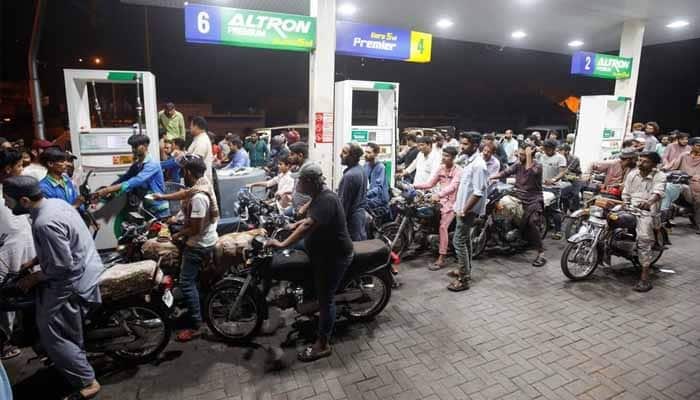
ISLAMABAD: The recent announcement of the government’s fuel relief scheme has triggered sharp pushback from the petroleum sector, highlighting deep-seated structural and financial communication gaps between policymakers and fuel providers.
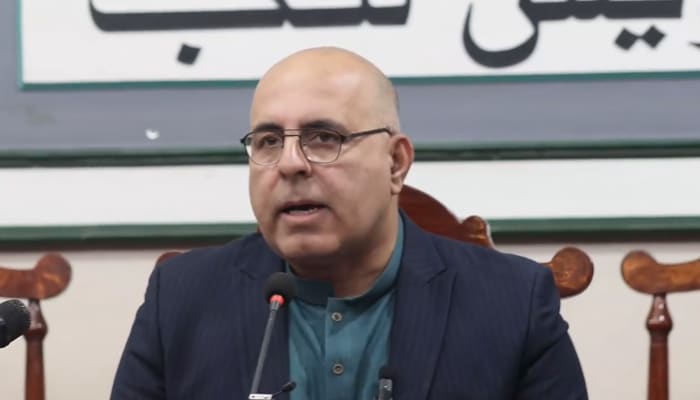
During a press conference in Karachi, Pakistan Petroleum Dealers Association (PPDA) Vice Chairman Anwar Kamal formally announced that dealers would refuse to distribute subsidized fuel under the current mechanism, citing a complete lack of prior consultation and unworkable operational frameworks.
The PPDA has criticized the top-down approach of the policy, emphasizing that relief provisions must be streamlined to benefit citizens directly without placing administrative and financial liabilities onto retail fuel stations.
As representatives continue to await official responses from federal authorities following days of unanswered communications, the standoff underscores the critical need for transparent, consultative policymaking in economic relief initiatives to prevent severe supply chain disruptions.
Ambiguities in the Government Fuel Relief Scheme
The primary ambiguity surrounding the government’s fuel relief scheme lies in the mechanism of financial reimbursement and liquidity management for retail fuel dealers.
While the initiative aims to provide financial relief to the public, the operational framework fails to clearly define how and when petroleum dealers will be compensated for the price differential of subsidized fuel.
Dealers are currently operating under immense financial pressure due to high inflation, rising operational overheads, and billions of rupees in pending dues owed by oil marketing companies.
The scheme introduces severe uncertainty regarding cash-flow management, as there are no explicit guarantees or automated protocols established for the timely transfer of funds from the government to individual retail stations.
Additionally, the policy lacks transparency regarding administrative compliance and audit mechanisms.
It remains unclear who bears the responsibility for discrepancies in fuel volume tracking, verification of eligible consumers, and potential losses arising from delayed government payouts.
Without a foolproof, transparent mechanism that ring-fences dealer capital and ensures immediate financial clearance, shifting the economic burden of public welfare programs onto private retail networks remains legally and commercially unviable.
ALSO READ: Fuel Prices Hiked Across Pakistan Once Again
Clear standard operating procedures, stakeholder consensus, and legally binding reimbursement timelines are critically missing from the current policy design.