BENGLORU: During a local cricket match in Bengaluru, a shocking incident occurred when a batsman assaults umpire over wide ball dispute erupted on the field.
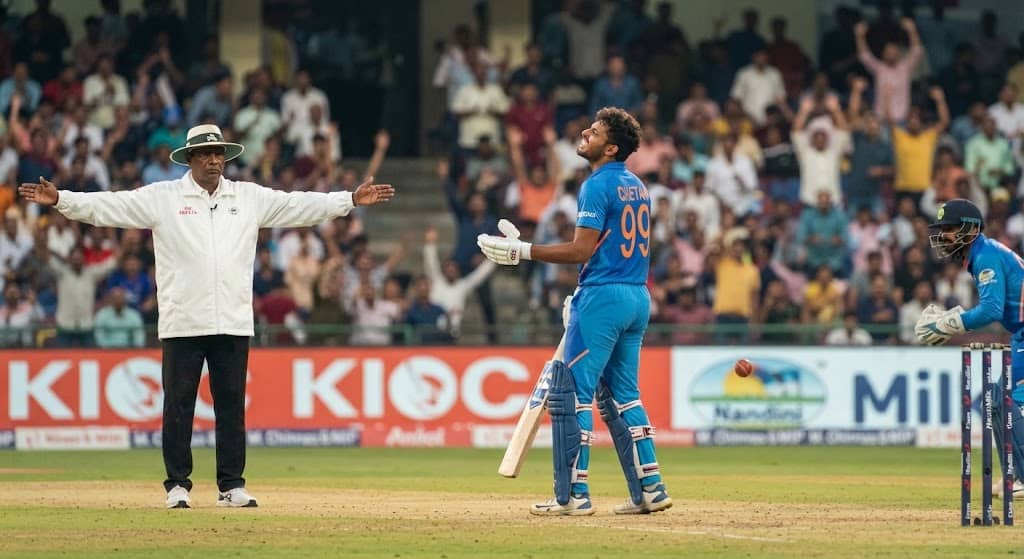
The controversy unfolded as batsman Chetan Matre was batting at 99 runs with his team needing just a single run to win.
When bowler Prabhat Bogla delivered a ball down the leg side, the on-field umpire, Milind, signaled it as a wide, securing the victory for the batting side.
However, the batsman assaults umpire over wide ball altercation began because Chetan remained at the crease, furiously protesting that the bowler deliberately threw a wide ball to rob him of his century.
Despite the umpire explaining that he lacked the technology or grounds to judge malicious intent, the batsman hurled verbal abuses and physical threats.
The situation escalated out of control when the batsman assaults umpire over wide ball chaos reached its peak, with the player using his cricket bat to strike the umpire before teammates rushed in to intervene and separate the two.
Fights and violent altergrations during grassroots and domestic cricket matches have witnessed an alarming upward trend, fueled by hyper-competitiveness, poor emotional regulation, and intense pressure to secure personal milestones or team victories.
Unlike international fixtures governed by stringent anti-corruption units, strict disciplinary codes, and continuous broadcast monitoring, local matches often lack institutional oversight, allowing heated arguments to quickly spiral into physical violence.
The Cricket Experts note that the erosion of sportsmanship and mutual respect among recreational players turns what should be a recreational pastime into a volatile environment.
ALSO READ: USA Cricketer Alleged for Fixing, Banned for Eight Years
Combating this hostile culture requires local cricket associations to implement zero-tolerance policies, mandatory behavioral workshops, and strict bans on players who resort to aggression, thereby preserving the core values and spirit of the game.