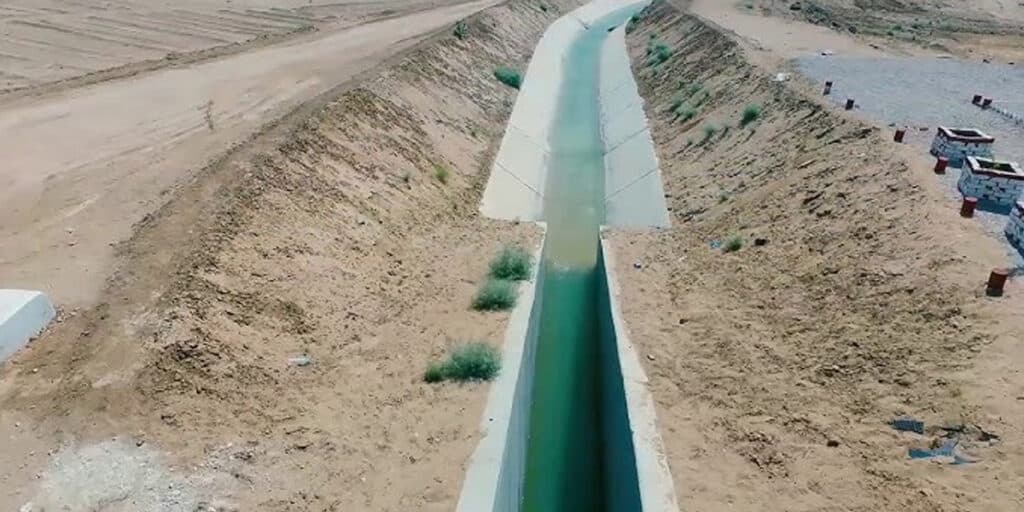
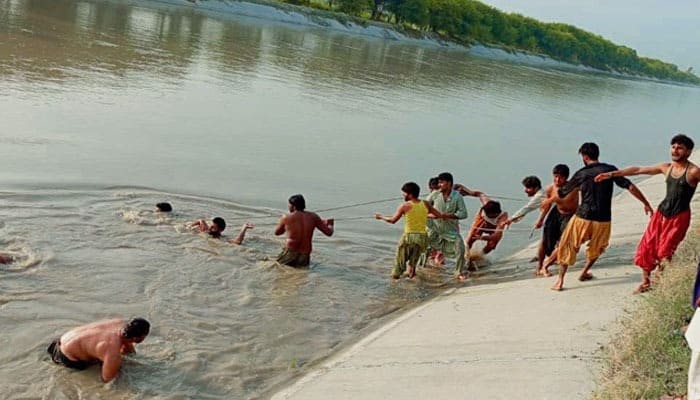
KARACHI: A tragic incident unfolded along the Sugar Mill Road in Matiari, where three young boys lost their lives after drowning in a local canal.
According to local police authorities, the victims had gathered near the waterbank to observe religious rituals when the accident occurred.
Prompted by immediate distress calls, rescue teams rushed to the site and launched an emergency operation, successfully recovering the bodies of the three victims from the canal.
Law enforcement officials have officially identified the deceased youths as Kumar, Aneel, and Rithek. While local administration has launched a formal inquiry into the circumstances surrounding the mishap, the tragic loss has plunged the entire community into deep mourning.
Water-related accidents, particularly accidental drowning incidents, represent a major public safety hazard across Pakistan, claiming hundreds of lives annually.
According to estimates by global health organizations and disaster management authorities, Pakistan records thousands of fatal drowning cases every year, driven heavily by expansive irrigation networks, unmonitored rivers, fast-flowing canals, and seasonal monsoon flooding.
Children and young adults are disproportionately affected by these aquatic tragedies, often due to a lack of physical barriers along major waterways, absence of trained lifeguards, and insufficient public awareness regarding water safety.
Unlike high-income nations that enforce strict perimeter fencing, warning signage, and robust legislative frameworks for open-water bodies, many rural and semi-urban areas in Pakistan lack basic protective infrastructure near canals and dams.
Emergency response mechanisms, though increasingly modernized through services like Rescue 1122, frequently face challenges in reaching remote sites before vital minutes slip away.
ALSO READ: Body of Drowned Child Found Near Gowalmandi After 3-Day Search
Addressing this persistent crisis requires a multi-pronged approach combining community education on water risks, stricter local administration oversight near irrigation channels, and infrastructural enhancements such as safety railings and warning systems along high-risk canals to prevent future tragedies.