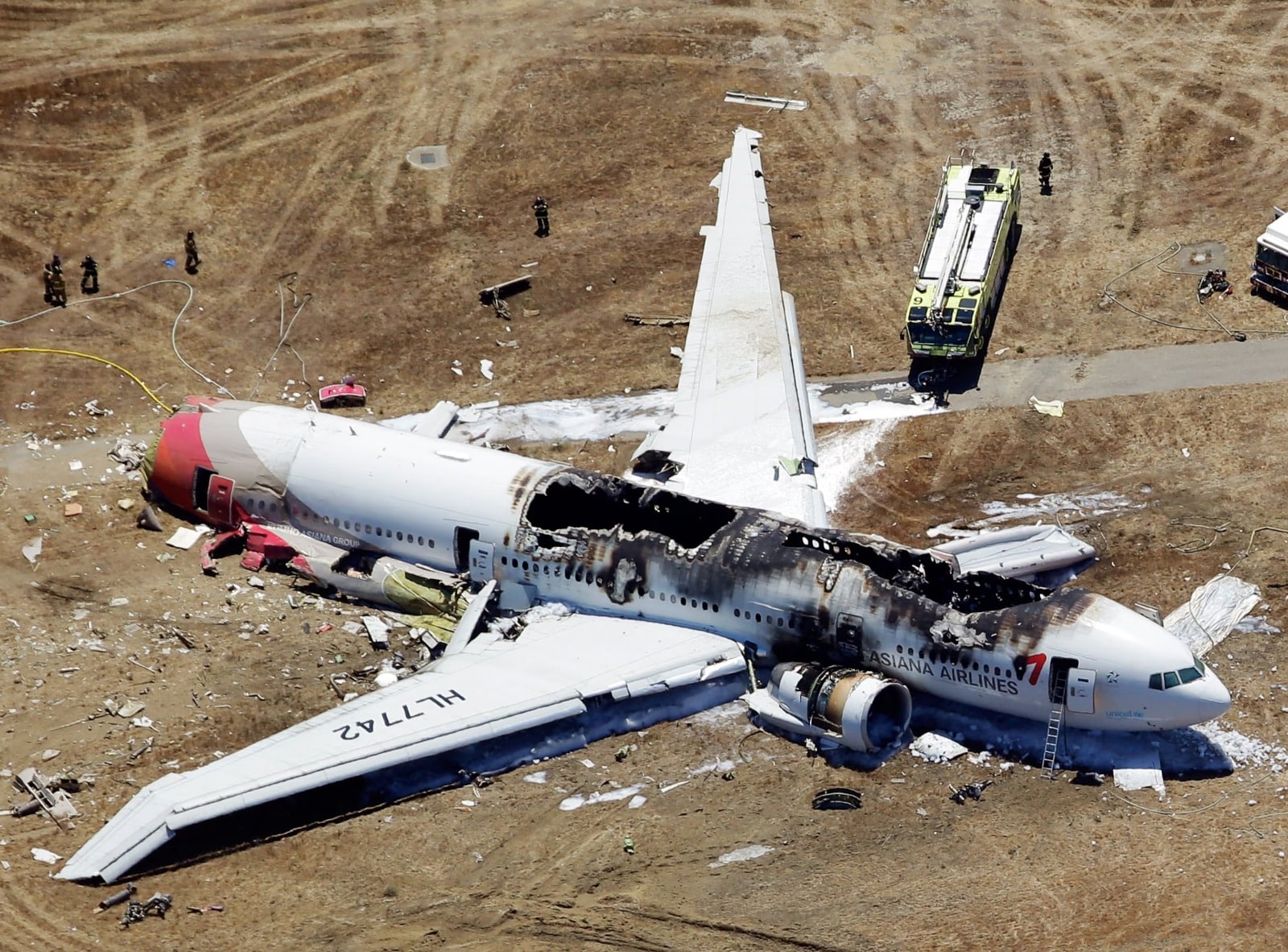
KANPUR: In a tragic aviation accident, a twin-engine training aircraft crashed in an agricultural field near the Ganga Barrage area in Kanpur, Uttar Pradesh, resulting in the immediate deaths of both the pilot instructor and the trainee pilot.
According to local police and civil aviation authorities, the Italian-built Tecnam twin-engine aircraft, operated by Garg Aviation, took off from the local flying training center at approximately 11:30 AM.
The aircraft met with the fatal accident roughly 20 minutes later at around 11:50 AM while returning to the facility.
The victims were identified as instructor pilot Sachin Bhatia and trainee pilot Abhishek Pujari.
Local emergency response units and senior police officials rushed to the site, cordoning off the area and recovering the bodies from the mangled wreckage.
While the exact cause of the crash remains undetermined, preliminary evaluations indicate that technical failure or environmental factors during flight operations are under review.
The Directorate General of Civil Aviation (DGCA) and the Aircraft Accident Investigation Bureau (AAIB) have initiated a formal inquiry to examine the aircraft’s maintenance history, airworthiness, and flight logs.
Aviation Safety and Global Aircraft Crash Incidents
The tragic Kanpur trainer aircraft crash highlights ongoing safety concerns surrounding flight training operations and aviation protocols.
Throughout the year, the global aviation sector has witnessed several notable aircraft incidents, ranging from commercial mishaps to fatal general aviation and training accidents.
Aviation regulatory bodies, including the DGCA and international counterparts, have faced mounting pressure to reinforce rigorous safety audits, improve mandatory technical checks, and enhance pilot training standards.
Training fleets, which experience high cycle rates and intensive flight hours, require meticulous maintenance frameworks to prevent sudden mechanical failures.
Incidents recorded over the past year demonstrate that small-aircraft operations remain particularly vulnerable to structural malfunctions, sudden weather shifts, and human-factor errors during critical phases of flight like takeoff and landing.
Experts continue to advocate for the modernization of cockpit avionics, the adoption of advanced flight-tracking technologies, and proactive risk assessments by flight schools.
ALSO READ: 13 Tourists and Crew Members Killed in Peru Plane Crash
Comprehensive investigations into accidents like the one in Kanpur are vital for identifying systemic vulnerabilities, ensuring accountability, and implementing preventive measures to safeguard the lives of aviation personnel and trainees.