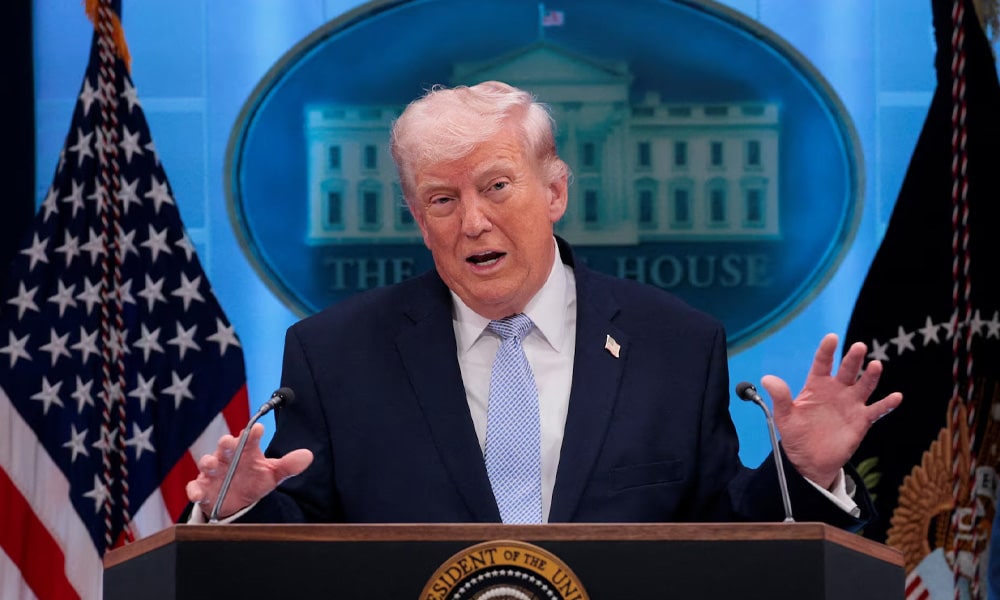
WASHINGTON DC: Six months into a protracted military engagement with Iran, President Donald Trump finds himself at a critical juncture, facing a stark choice between a controversial diplomatic off-ramp and a risky military escalation.
According to sources familiar with the matter, the administration is weighing a proposed interim agreement brokered by Oman that would address the strategic Strait of Hormuz, a vital chokepoint for global oil shipments. While details remain scarce, reports from Reuters indicate the potential deal could grant Iran limited supervisory or participatory roles in maritime traffic through the waterway.
The proposal has drawn swift and firm opposition from within the President’s own cabinet. Secretary of State Marco Rubio has publicly argued against any concession that would legitimize Iranian involvement in the strait. “This is an international waterway, and its free passage is a non-negotiable pillar of global commerce and security,” Rubio stated. “It must remain completely free and outside the control of any single nation.”
The internal debate comes as the political landscape at home grows increasingly precarious for the Commander-in-Chief. Analysts point to a trifecta of pressures squeezing the White House: rising fuel prices that are pinching American consumers, a vocal anti-war movement that has reignited protests, and a noticeable dip in the President’s approval ratings as the conflict drags on without a clear resolution.
“The longer this war continues without a decisive victory, the more it becomes a political liability,” said foreign policy analyst Dr. Elena Vance. “The administration is caught between the risk of appearing weak by accepting a deal with Iran and the risk of appearing reckless by expanding a war that lacks public support.”
The option to intensify military action through increased airstrikes remains on the table. However, defense officials and political strategists warn that such a move could backfire, inflaming regional tensions and potentially drawing the U.S. into a wider, more costly conflict. Conversely, maintaining the current stalemate is seen as untenable, offering no clear path to ending the conflict.
Beyond the domestic and regional implications, the conflict has become a subject of intense international scrutiny. Geopolitical rivals, including China, Russia, and North Korea, are reportedly watching the U.S. campaign closely. Experts suggest these nations are carefully evaluating American military capabilities and strategic endurance, using the conflict to gauge U.S. resolve in future global confrontations.
With no easy path forward, President Trump faces a decision that could define the remainder of his term, balancing the immediate pressures of domestic politics against the long-term strategic implicatio
ns of the war.