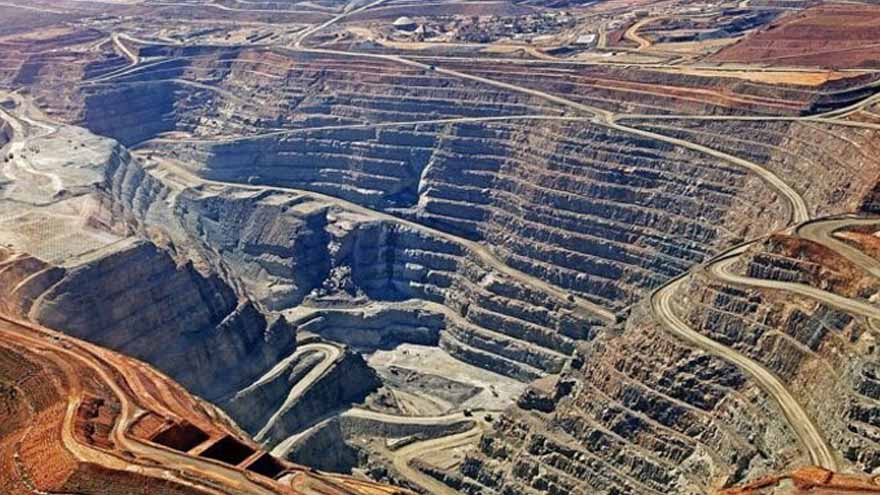
ISLAMABAD: A US diplomatic official stated on Wednesday that the Trump administration is prepared to finance another mega-project on the scale of Reko Diq, with American investors willing to absorb security-related risks to invest in Pakistan’s mineral sector.
During a background briefing, the official emphasized that the US is extremely keen on investing in Pakistan’s mineral sector, noting that American investors are also exploring the possibility of acquiring smaller mines worth a few million dollars.
“The US is ready to finance another project as large as Reko Diq, provided the feasibility is there.”
However, security remains the biggest challenge, which has already delayed the highly publicized, 7.7-billion-dollar first phase of the Reko Diq project.
Responding to a question, the official mentioned that the Reko Diq project is moving forward, albeit at a slower pace than originally planned. Some project costs are being reassessed, and the matter will be taken back to financiers for a final package.
The Export-Import Bank of the United States has offered 1.25 billion dollars for the Reko Diq project, though the final financing package is still being formulated.
Last November, Petroleum Minister Ali Pervaiz Malik stated that the project was very close to reaching a “financial close” and securing a 3.5-billion-dollar loan.
The total cost of the project was estimated at 7.7 billion dollars, including 3.5 billion dollars in loans from 11 international banks and institutions.
However, in March of this year, Barrick Gold—which holds a 50 percent stake in the project—announced a review due to security and cost-related issues.
Pakistan has twice increased the cost estimates for the first phase. Once fully operational, Reko Diq is expected to generate 2 billion dollars in annual “free cash flow,” half a billion of which will go to Balochistan and an equal amount to state-owned enterprises.
Currently, the mineral sector contributes 3 percent to Pakistan’s economy. Reko Diq alone could add another half a percentage point to the GDP.
The Trump administration is aggressively working to develop critical mineral supply chains, providing funding for these projects through the Export-Import Bank (EXIM) and the Development Finance Corporation (DFC). Over the next 10 to 20 years, the mining sector will have a significant impact on Pakistan’s economy.
American companies are also exploring opportunities to purchase mineral output (offtakes) from smaller mines to process and export to the United States.
Some US firms are eager to acquire and develop smaller mines, while others want to make heavy investments in copper projects.
Pakistan possesses vast reserves of antimony, and with a surge in global demand for copper anticipated over the next few years, the country holds some of the most critical reserves in the world.
“There are extremely valuable reserves of copper, antimony, and tungsten here,” the official noted, pointing out that companies are already working on the ground to secure these minerals.
The US is seeking 60 types of minerals critical for modern technology, including those used in artificial intelligence, semiconductors, computing, energy, and defense industries—many of which are found in Pakistan.
The US government is encouraging American firms to partner with local companies to navigate local business conditions and security challenges. Local companies understand the specific security risks associated with operating in regions like Balochistan and Khyber Pakhtunkhwa.
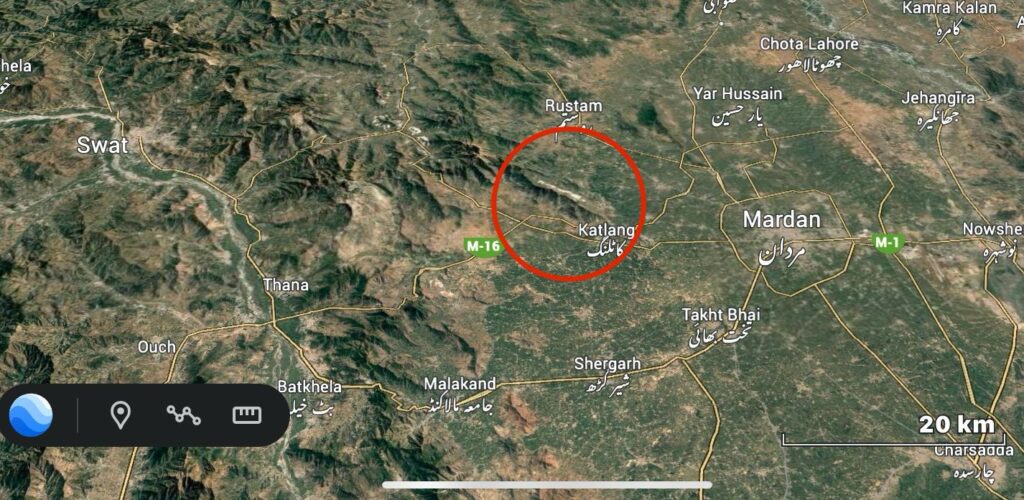
“American companies are aware of the security risks in Pakistan and are willing to take them on. We encourage the Government of Pakistan to take every possible step to provide security and support.” Security challenges in Balochistan are real, and US companies factor them in while working on projects. “There are good opportunities in Balochistan and Khyber Pakhtunkhwa, but these are also areas with security challenges.” US companies are also exploring copper deposits in Khyber Pakhtunkhwa and rare earth minerals in Gilgit.
“The issue of critical minerals is of utmost importance to us because it relates to economic security, prosperity, and national defense.” Earlier this year, Pakistan joined the US Critical Minerals Initiative in Washington. The US continues to encourage Pakistan to provide a transparent and level playing field for American investment.