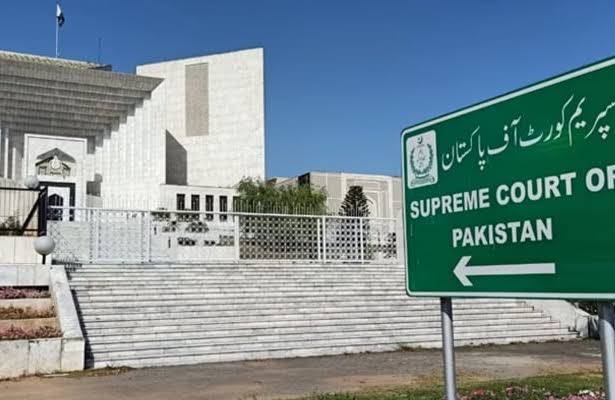
ISLAMABAD: The Supreme Court of Pakistan has declared that the widow of a deceased retired employee is the lawful beneficiary of the employee’s pension and related retirement benefits, while siblings are not entitled to claim such benefits solely on the basis of being legal heirs.
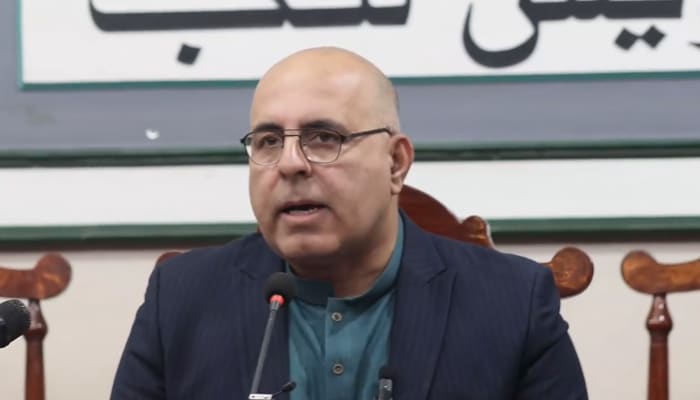
The four-page judgment was authored by Chief Justice of Pakistan Yahya Afridi and provides important legal clarification regarding the distribution of pension benefits after the death of a retired employee.
In this regard, the pension is not considered part of the general inheritance estate that can automatically be distributed among all legal heirs. Instead, the right to receive a pension is governed by the relevant pension laws, institutional regulations, and service rules.
The court observed that only the widow of the deceased employee or a person legally nominated in accordance with the applicable rules may receive the pension benefits.
The judgment further focused on that being a legal heir alone does not entitle brothers or sisters of a deceased employee to claim pension or retirement benefits.
The Supreme Court stated that pension payments must strictly follow the provisions laid down in the applicable laws and the regulations of the concerned institution.
The ruling came while deciding an appeal filed by the siblings of a deceased employee of the Peshawar Electric Supply Company (PESCO), who had sought the issuance of a succession certificate to claim the deceased employee’s pension-related benefits.
The apex court dismissed the appeal filed by the deceased employee’s siblings and upheld the earlier judgment of the Peshawar High Court. The Supreme Court agreed with the high court’s findings that pension benefits cannot be transferred to siblings merely because they are among the deceased’s legal heirs.
The decision reasserted that pension payments are subject to statutory rules and institutional policies rather than the general principles governing inheritance, ensuring that such benefits are distributed only to those legally recognized under the relevant pension regulations.