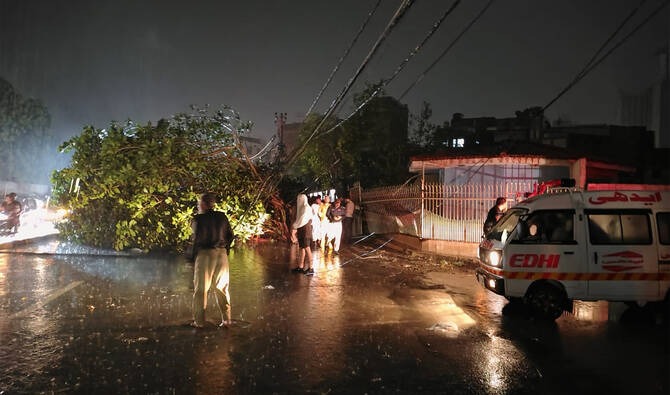
ZHOB: Three individuals, including a woman and two children, lost their lives after a house roof collapsed due to torrential rains in the Nai Abadi area of Zhob, Balochistan. Local residents reported that the severe downpour triggered three separate roof collapse incidents in the neighborhood, with the casualties occurring when the victims were trapped beneath the debris of their home.
In a separate weather-related disaster in Dir Bala, a lightning strike caused the roof of a religious school (madrasa) to cave in, leaving dozens of female students severely injured.
According to local sources, approximately 260 students were enrolled at the institution at the time of the incident, prompting immediate emergency rescue operations.
Context: The Toll of Severe Rain and Infrastructure Failures in Pakistan
Extreme weather events and heavy monsoon or pre-monsoon downpours frequently lead to high casualties across Pakistan, largely driven by structural vulnerabilities in local housing.
In both rural areas and impoverished urban settlements, a significant portion of the population resides in mud brick houses or poorly constructed concrete structures that lack the reinforcement necessary to withstand prolonged, heavy rainfall.
When torrential rain saturates these roofs, it drastically increases their weight, leading to sudden, catastrophic collapses that often trap families inside.
This issue is severely compounded by changing climate patterns in South Asia, which have made weather anomalies like localized cloudbursts, severe thunderstorms, and frequent lightning strikes much more intense and unpredictable.
Regions with mountainous terrain, such as Dir Bala in Khyber Pakhtunkhwa and the rugged landscapes of northern Balochistan, face a dual threat: they are highly susceptible to sudden flash floods and lack the rapid-response emergency infrastructure needed for remote rescue operations.
Furthermore, educational institutions, particularly rural public schools and traditional madrasas, frequently operate out of aging or sub-standard buildings that are highly vulnerable to natural disasters.
Every year, these predictable seasonal rains expose systemic gaps in building code enforcement, disaster preparedness, and rural development, transforming manageable weather systems into devastating humanitarian emergencies.