ISLAMABAD: The Directorate General of Immigration and Passports has announced a complete transition to digital operations, completely abolishing the manual cash fee collection system across all passport offices effective July 1, 2026.
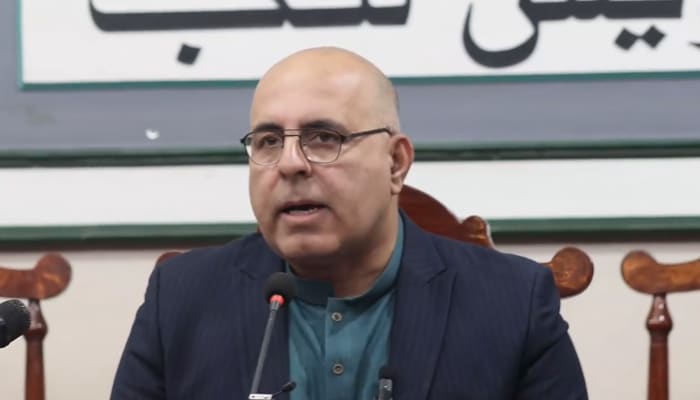
The strategic decision was finalized during a high-level briefing of zonal heads chaired by the Director General of Immigration and Passports, Muhammad Ali Randhawa.
Under the new mechanism, passport fees will exclusively be accepted through digital modes of payment via QR codes.
To streamline this transition, authorities are set to launch a dedicated “Passport Mobile Application” shortly.
This digital platform will enable both domestic citizens and overseas Pakistanis to submit their passport applications seamlessly from their homes and opt for home delivery to receive their documents directly at their doorsteps.
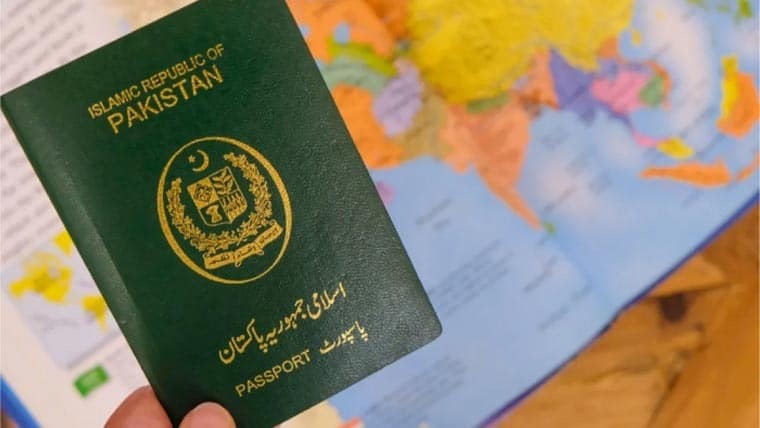
Furthermore, officials confirmed that the Directorate General of Immigration and Passports will exclusively issue e-passports moving forward.
However, all existing Machine-Readable Passports (MRPs) currently in circulation will remain fully valid and acceptable until their respective expiry dates.
Digital Modernization of Pakistan’s Passport System
The network of passport offices across Pakistan, operating under the Directorate General of Immigration and Passports, has historically faced immense logistical strain.
For decades, citizens endured long queues, bureaucratic delays, and complex manual processing systems at regional offices.
However, the system is undergoing a massive structural overhaul driven by automation and e-governance to eliminate corruption, middleman exploitation, and systemic inefficiencies.
The latest passport procedure represents a paradigm shift toward a completely paperless, digital ecosystem.
Applicants can now bypass traditional banking counters entirely, as all fee payments have been integrated into digital channels via QR codes and online payment applications.
The introduction of a dedicated mobile app allows both domestic citizens and the Pakistani diaspora to initiate, track, and process their applications remotely, backed by a home-delivery mechanism that brings the final document straight to the applicant’s doorstep.
Crucially, the department has phased out traditional machine-readable documents in favor of secure, biometric-enabled e-passports featuring embedded microchips.
By restricting physical office visits only to essential biometric verification and shifting the core infrastructure online, Pakistan’s passport issuance framework is successfully aligning with modern international aviation and security standards.