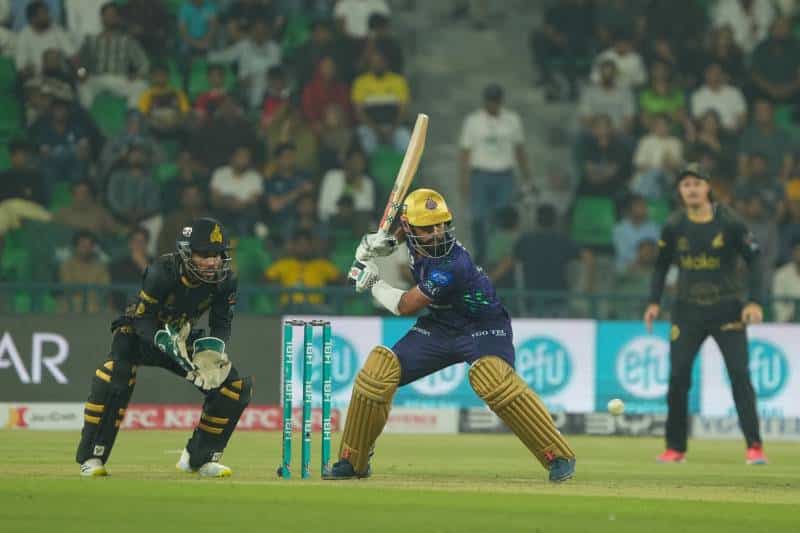
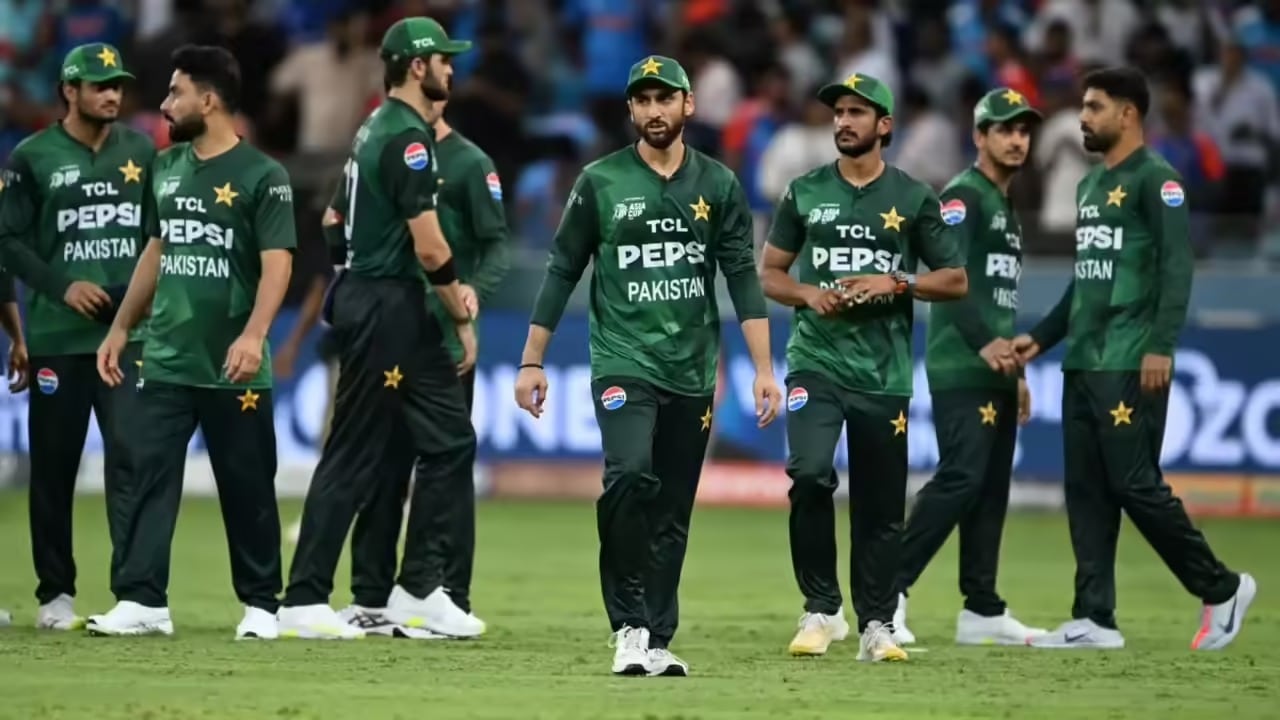
LAHORE: According to Cricketinfo, the Pakistan Cricket Board is set to enforce its new central contract structure running from July 1, 2026, to June 30, 2027.
Under the updated eligibility criteria, players must have featured in at least four Tests, six ODIs, or six T20Is over the preceding 12 months to qualify for a contract.
The new system categorizes players into specialized format tracks with distinct monthly retainers.
Track A features top Test specialists who will earn PKR 4 million per month, while Track AB caters to elite multi-format players appearing in both Tests and ODIs, commanding the highest monthly salary of PKR 4.8 million.
White-ball specialists in Track BC are set to receive PKR 3.4 million monthly, whereas Track C is designated for T20 specialists with a fixed monthly retainer of PKR 2.6 million.
Notably, Track C players will enjoy unrestricted freedom to participate in numerous global T20 leagues.
Furthermore, the PCB has accommodated emerging talent within Track D, offering developing cricketers a monthly stipend of PKR 1 million. Match fees have also been standardized across formats, set at PKR 1.5 million for a Test match, PKR 750,000 for an ODI, and PKR 500,000 for a T20I.
Central Contract Systems of the BCCI, CA, and ECB
The PCB’s shift toward format-specific tracks reflects a global trend pioneered by other major cricket boards to manage player workloads and the lure of franchise cricket, though financial scales and structural philosophies differ significantly.
The Board of Control for Cricket in India (BCCI) operates a rigid four-tier system (Grade A+, A, B, and C). Unlike the PCB, the BCCI does not offer separate tracks for white-ball or red-ball specialists, but it heavily penalizes players who prioritize domestic leagues over domestic first-class cricket.
India remains the most lucrative landscape for retainers, supplemented by the fact that the BCCI strictly bans its active players from participating in overseas T20 leagues to protect the exclusivity of the IPL.
Cricket Australia (CA) employs an entirely different, highly fluid ranking system. Instead of fixed tracks, CA ranks its top 20 to 24 players using a proprietary weighting formula that favors Test cricket but factors in performances across all three formats.
Australian contracts are highly flexible regarding commercial avenues and Big Bash League (BBL) participation, and players are regularly granted No Objection Certificates (NOCs) for foreign leagues, provided they do not clash with the international summer or overseas tours.
The England and Wales Cricket Board (ECB) utilizes a multi-year structure designed directly to combat the threat of franchise cricket.
The ECB offers single-year and multi-year central contracts alongside specific “Incremental” and “Pace Bowling” development contracts.
Like the PCB’s new Track C provision, the ECB’s model increasingly builds in customized windows for its players to participate in the IPL and the Hundred, using long-term financial security to keep players bound to the national setup.