PESHAWAR: Two sons of a tribal leader were shot dead by unidentified armed men near the Karikot Bazaar in Wana, Waziristan.
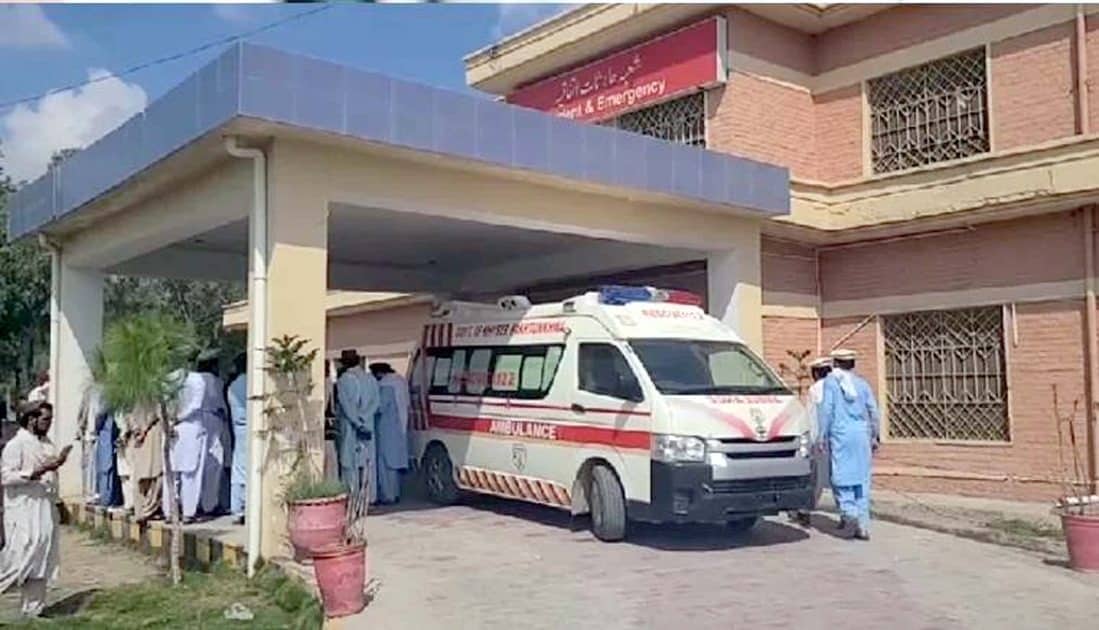
According to the police, a bystander was also injured in the firing incident and has been shifted to the hospital for medical treatment.
DSP Asghar Ali Shah stated that an investigation into the incident has been launched, and a manhunt is underway to apprehend the suspects.
Wana, the largest town in South Waziristan, has long been a focal point of security challenges within Pakistan’s northwestern Khyber Pakhtunkhwa province.
Formerly part of the Federally Administered Tribal Areas (FATA) before its merger with the province in 2018, the region has historically witnessed volatile power dynamics between state authorities, local tribes, and various militant groups, including the Tehreek-e-Taliban Pakistan (TTP).
Tribal leaders, or maliks, play a crucial role in local governance and conflict resolution in these areas.
Because they frequently collaborate with the government and security forces to maintain peace and counter-extremism, they and their families have increasingly become primary targets for targeted assassinations and insurgent violence.
In recent months, the broader Waziristan region has seen a resurgence in targeted attacks, public extortion, and hit-and-run ambushes against both security personnel and prominent civilian figures.
This escalation has triggered widespread concern among locals, leading to multiple sit-ins and peace marches organized by civil society and tribal elders demanding robust state protection and an end to lawlessness.
Despite numerous military clearing operations over the years that successfully dismantled major militant sanctuaries, the porous border with Afghanistan and the presence of sleeper cells continue to complicate long-term stability.
This latest attack underscores the fragile security apparatus in Wana, highlighting the ongoing risks faced by local leadership trying to navigate the region’s complex socio-political landscape.