
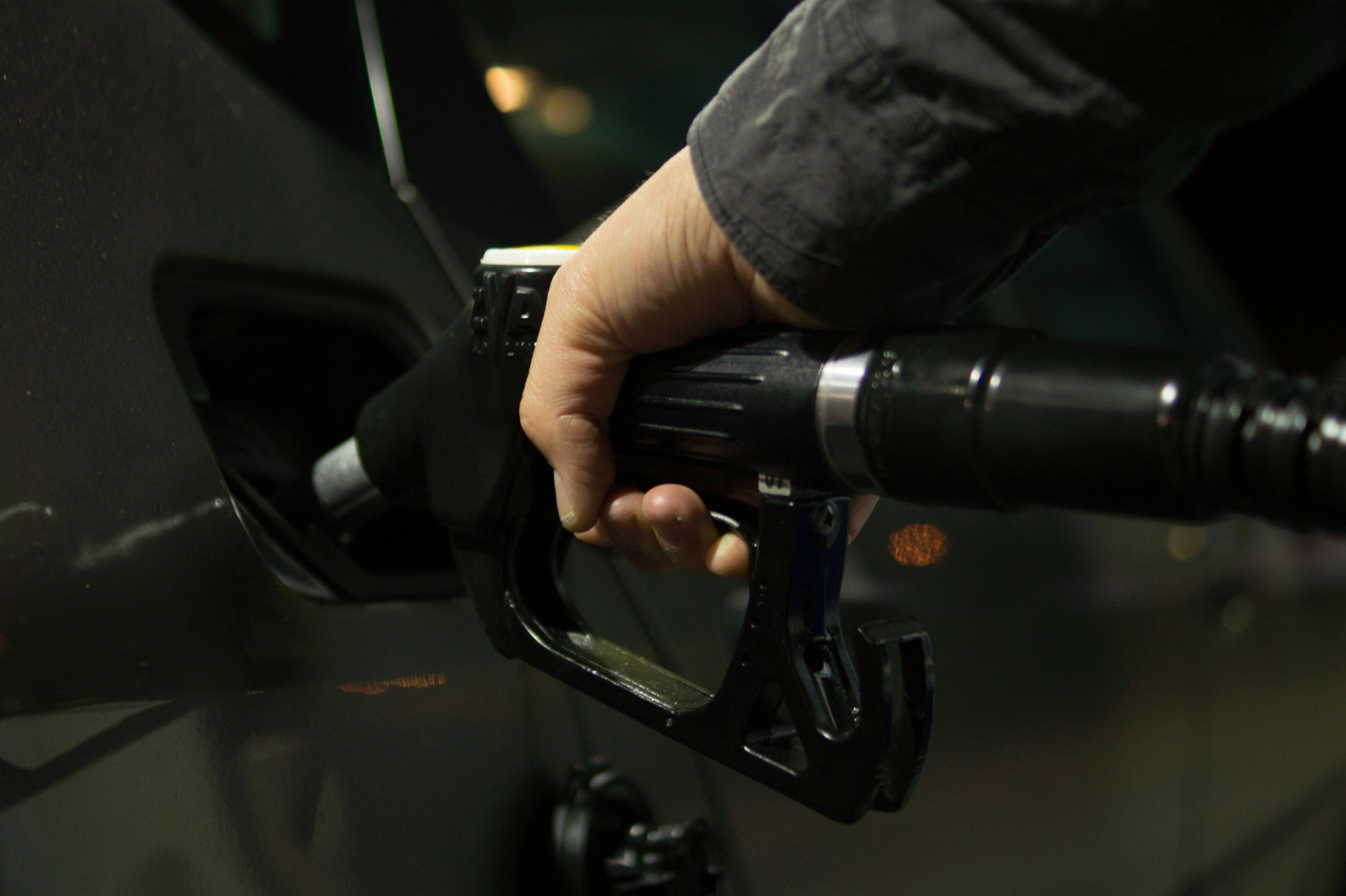

WASHINGTON : The rising cost of fuel in the United States, fueled by the ongoing war with Iran, has placed a heavy financial burden on ordinary citizens, adding an estimated $59 billion in additional costs for American households so far, according to new analysis from Moody’s Analytics.
Mark Zandi, chief economist at Moody’s, told American media outlets that each U.S. household has faced an average extra burden of approximately $450 since the conflict began. The primary drivers have been sharp increases in the prices of gasoline, diesel, and air travel.
Worryingly, Zandi warned that if the war does not end soon, already financially stressed consumers are likely to pull back on spending.
“Consumers will become more careful in their purchases,” Zandi said. He cautioned that a sustained pullback could further damage the already strained American economy, creating a ripple effect across multiple sectors.
Looking ahead, the economist projected a far steeper toll if fuel prices remain at current levels. By the end of the war, Zandi estimated, the average American household could face a total additional burden of roughly $2,000.
The analysis also revealed a stark political and economic reality: the nearly $450 per-household burden from rising fuel prices has completely wiped out the average $384 benefit households had received from President Trump’s tax package. In effect, the financial relief provided by the tax cuts has been erased at the gas pump.
According to experts, the ripple effects extend far beyond filling up a car. The surge in energy prices is not limited to fuel alone; it is now affecting nearly all areas of daily life, including ground transportation, air travel, and broader household expenses such as heating and utilities. As the cost of moving goods and people rises, experts say consumers should expect higher prices for everything from groceries to home deliveries in the coming weeks.