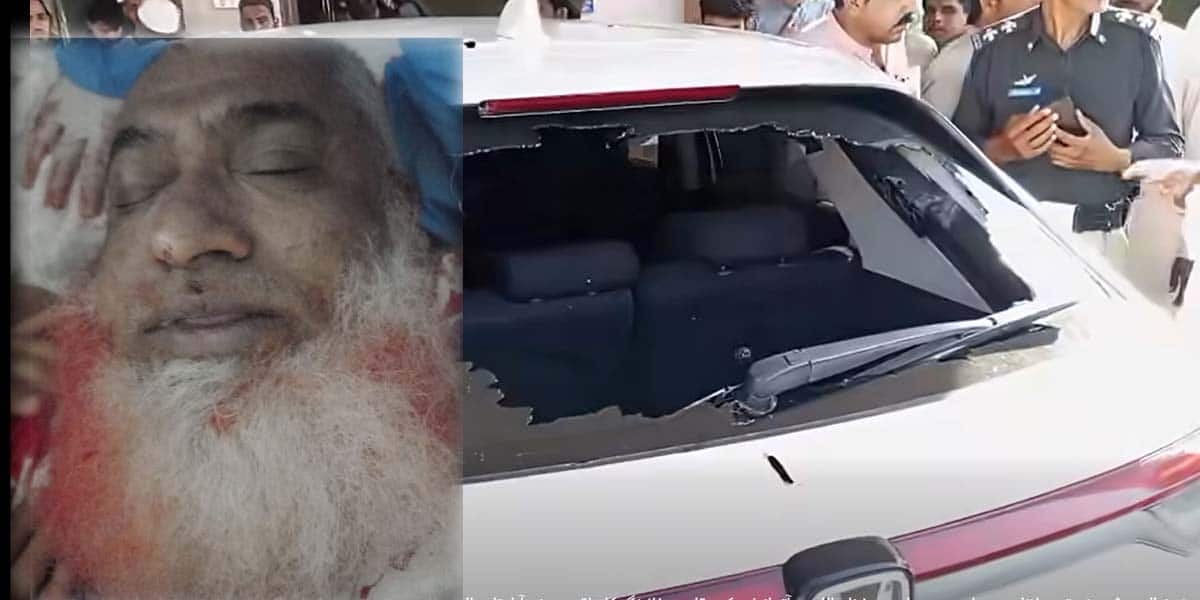
PESHAWAR: Prominent cleric and senior leader of the Jamiat Ulema-e-Islam (Fazl Group), Muhammad Idrees, was martyred by unidentified gunmen on Tuesday morning in Charsadda district of Khyber Pakhtunkhwa.
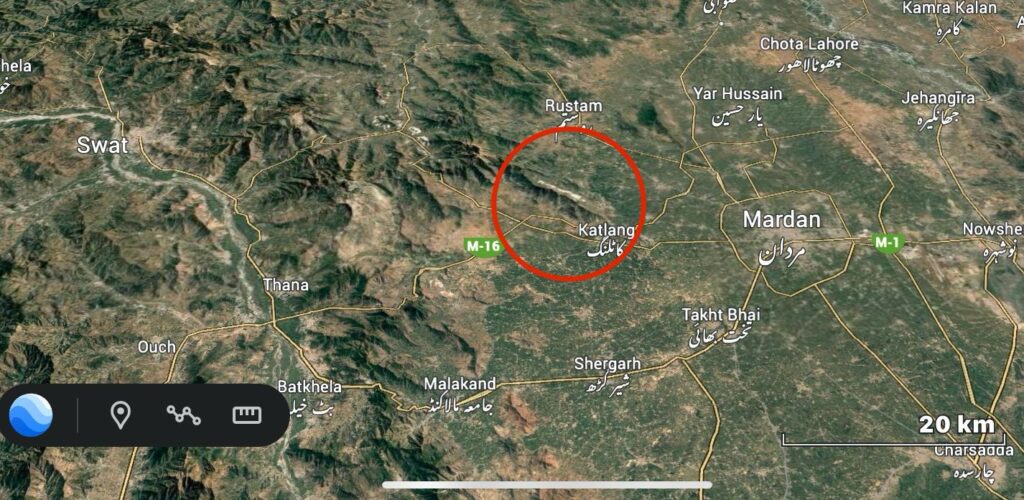
According to police, the attack took place in the Utmanzai area of Charsadda district in Khyber Pakhtunkhwa province.
Police said Idrees was on his way from home to a madrassa when assailants ambushed him and opened fire on his car in Utmanzai area of the district. He martyred on spot as a result of the firing.
District Police Officer (DPO) Muhammad Waqas said two police personnel assigned to his security were also wounded in the attack. Rescuers shifted them to a nearby hospital, where they are receiving treatment.
Authorities sealed off the area and launched a search operation to track down the attackers. Police have opened an investigation into the incident.
Officials suspect a targeted killing, though they said the motive would be confirmed after the investigation is complete.
Maulana Muhammad Idrees was born in 1961 in Turangzai village of Charsadda district in Khyber Pakhtunkhwa. He came from a prominent religious family with deep roots in Islamic scholarship.
His father, Hakeem Maulana Abdul Haq, was a respected religious figure of his time and was widely known as “Munazir-e-Islam” for his scholarly work and debates. His grandfather, Mufti Shahzada, was a Shaikh-ul-Hadith and a graduate of the renowned Darul Uloom Deoband, one of South Asia’s most influential Islamic institutions.
Idrees was also also son in law of the late Maulana Hassan Jan, an internationally known religious scholar who once had defeat ANP late Leader Wali Khan in national assembly election.
He is survived by two sons. One, Maulana Hafiz Anees Ahmad, is pursuing advanced religious studies at Darul Uloom Haqqania, while the other, Dr. Muhammad Salman, is undergoing medical training and is enrolled in an MBBS program.
Over the years, Idrees remained associated with religious and political activities in the region and served as a member of the provincial assembly, reflecting his dual role as both a cleric and a public figure.