ISLAMABAD: The gains come at a time when the global economy is grappling with persistent inflation, uneven growth, and heightened geopolitical tensions, with ongoing conflicts and trade frictions disrupting energy and commodity markets.
This week, United Nations Secretary-General António Guterres warned that an escalating crisis between the United States and Iran in the Strait of Hormuz could push tens of millions into poverty, fuel global hunger, and potentially drive the world toward a recession.
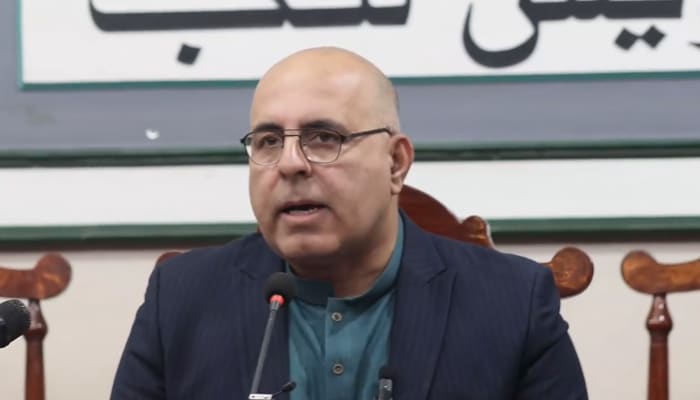
Amid this uncertain global backdrop, Pakistan’s corporate sector posted earnings of Rs1.24 trillion ($4.4 billion) from July 2025 to March 2026, marking a year-on-year increase of Rs100 billion ($358 million), according to Khurram Schehzad, adviser to the country’s finance minister.
“Despite a challenging global landscape, Corporate Pakistan (listed) delivered strong earnings growth in 9MFY26 compared to 9MFY25, supported by lower costs and improving demand,” Schehzad said in a post on X, noting that several sectors recorded “exceptional triple-digit earnings growth.”
He added that the performance reflects a stable and strengthening economic recovery.
Pakistan’s economy rebounded in fiscal year 2025, which ended on June 30, as growth improved and inflation eased, driven by tight macroeconomic management and progress on structural reforms.
The country, currently supported by a $7 billion program from the International Monetary Fund, is expected to maintain its economic momentum in the medium term, aided by a recovery in manufacturing and rising investment.
However, the Asian Development Bank has cautioned that Pakistan remains vulnerable to inflationary pressures, fiscal challenges, and external account risks amid ongoing global uncertainty.
A prolonged conflict in the Middle East involving the United States, Israel, and Iran could weigh heavily on Pakistan’s economic outlook by increasing energy and fertilizer costs, weakening agricultural and industrial output, reducing remittances, and widening the current account deficit.
“Addressing these challenges requires prudent macroeconomic policies and steadfast implementation of structural reforms,” the ADB said in its latest country outlook report, stressing that adherence to economic adjustment programs is key to building resilience and ensuring sustainable, inclusive growth.